Loopholes Undermine Palm Oil Industry’s Antideforestation Pledges
Companies Mentioned
Why It Matters
Persistent loopholes undermine corporate sustainability claims and expose firms to regulatory risk, reputational damage, and potential supply‑chain disruptions as the EU tightens deforestation rules.
Key Takeaways
- •31,000 hectares cleared in Indonesia 2025 despite NDPE pledges
- •Traceability covers only 69% of palm oil supply chains
- •Smallholders produce 40% of Indonesia’s palm oil, often untracked
- •Fangiono-linked firms cause one‑third of 2025 deforestation
- •EU Deforestation Regulation demands geolocation data by end‑2026
Pulse Analysis
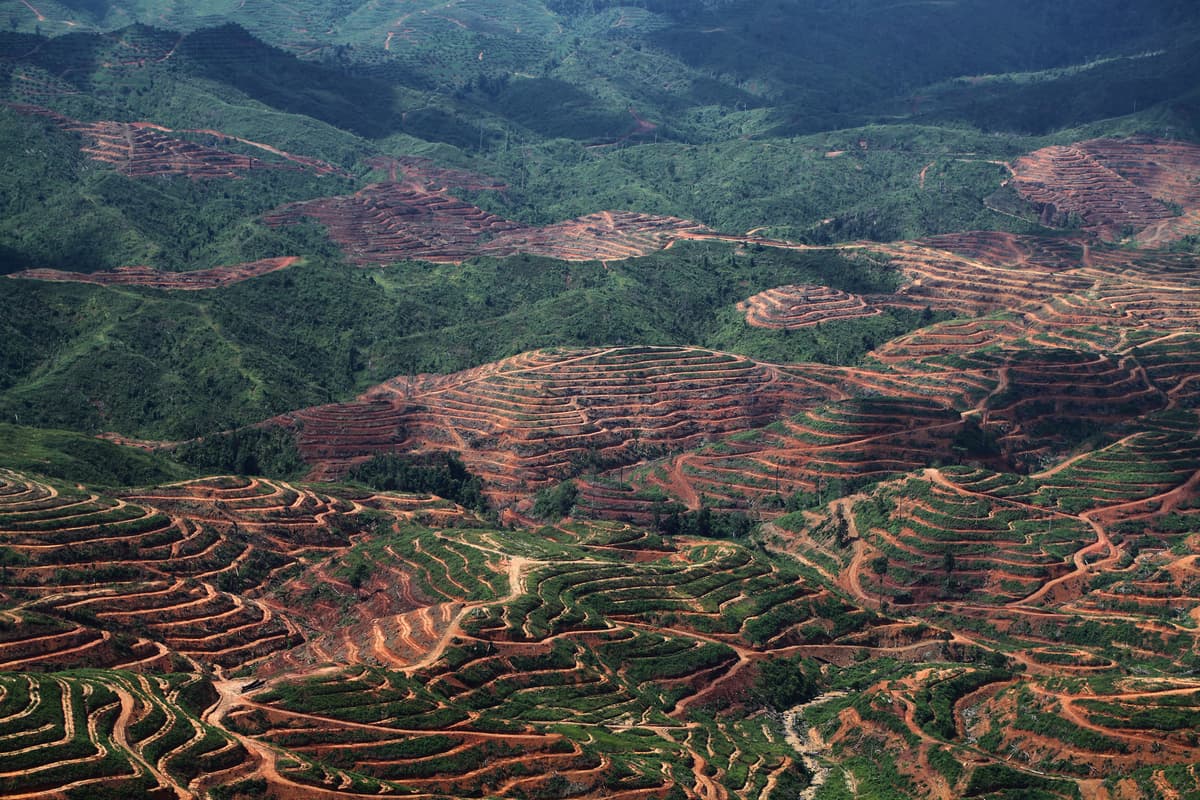
The palm oil industry’s NDPE commitments have created a veneer of sustainability, but satellite monitoring by TheTreeMap reveals that deforestation remains entrenched, with 31,000 hectares lost in 2025 alone. While large‑scale clearing has declined, the shift toward fragmented, smallholder‑driven expansion has exposed a critical weakness: traceability. Only about two‑thirds of major buyers can map fruit back to the mill level, and the remaining third operate in a gray zone where newly cleared land can enter the supply chain unnoticed.
Compounding the traceability issue are corporate‑group loopholes that allow “shadow” entities to sidestep NDPE scrutiny. Investigations into the First Borneo Group and the Fangiono family illustrate how ownership structures can mask deforestation activity, funneling palm fruit through distant mills and into the portfolios of global brands. Smallholders, who account for roughly 40% of Indonesia’s output, often sell through intermediaries that aggregate fruit from multiple farms, erasing the link to the original plot and making compliance verification virtually impossible.
The impending EU Deforestation Regulation intensifies the pressure on the sector. Effective from late 2026, EUDR will require granular geolocation data and rigorous due‑diligence for all commodities entering the EU market, far exceeding current NDPE standards. Companies that accelerate traceability investments now can avoid costly retrofits, secure market access, and bolster stakeholder trust, while laggards risk fines, supply disruptions, and brand erosion. Independent satellite monitoring and rapid‑response reporting will remain pivotal in bridging the compliance gap and driving industry‑wide transparency.
Loopholes undermine palm oil industry’s antideforestation pledges
Comments
Want to join the conversation?
Loading comments...