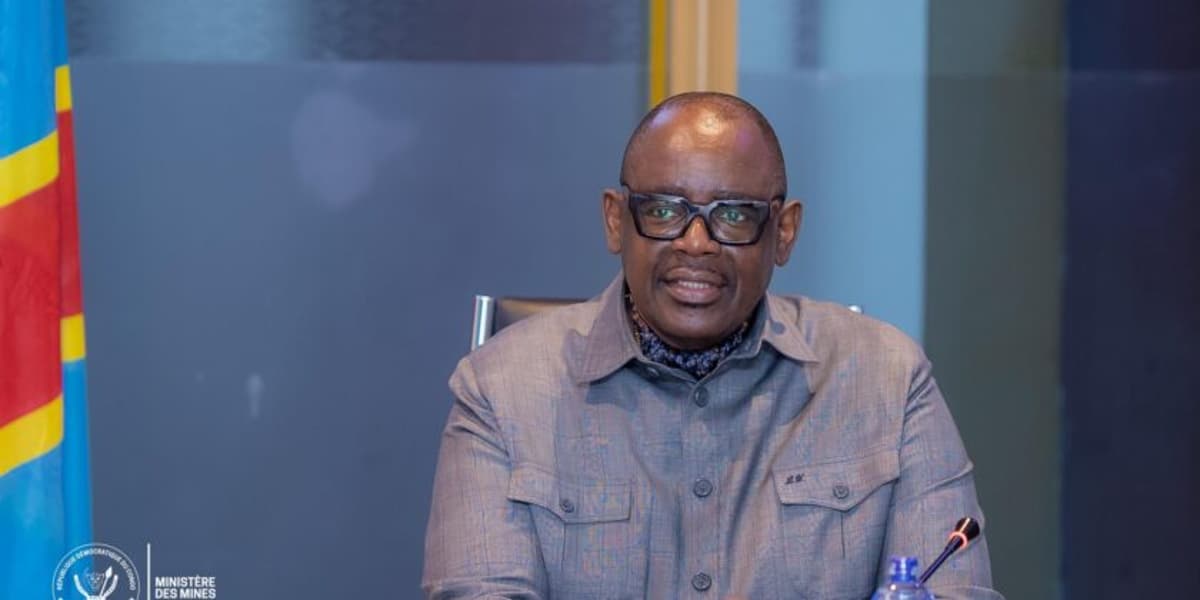
Louis Watum Mobilises ENA Graduates Around Mining Sector Reforms
Why It Matters
By involving future public administrators, the DRC aims to embed reform expertise within its bureaucracy, accelerating legal and institutional changes that can boost investor confidence and ensure mining revenues benefit local communities.
Key Takeaways
- •Ministry of Mines convened ENA graduates to draft mining governance reforms.
- •Working groups have two weeks to propose legal and institutional changes.
- •Projects highlighted include MIFOR iron ore, Kasai copper, Kongo Central manganese.
- •Focus on artisanal mining regulation and revenue sharing with local communities.
- •Initiative aligns with President Tshisekedi’s agenda and Prime Minister’s coordination.
Pulse Analysis
The Democratic Republic of Congo’s mining sector accounts for a significant share of its GDP, yet chronic governance gaps and opaque revenue flows have deterred foreign investment and fueled social unrest. Recent reforms aim to tighten traceability of mineral resources, curb fraud, and improve the regulatory environment for both large‑scale and artisanal operations. By spotlighting flagship projects such as the MIFOR iron‑ore venture in Greater Orientale, copper expansions in Greater Kasai, and manganese development in Kongo Central, the government signals a strategic push to diversify output while addressing longstanding community grievances.
In a novel approach to policy design, Minister Louis Watum Kabamba enlisted recent graduates of the National School of Administration (ENA) to inject fresh perspectives into the reform process. The participants were organized into multidisciplinary working groups tasked with delivering concrete proposals within a two‑week window, creating a competitive environment that rewards innovative solutions. This rapid‑turnaround model not only accelerates the drafting of legal and institutional changes but also cultivates a pipeline of technocratic talent poised to implement reforms across ministries, aligning with President Félix Tshisekedi’s broader development agenda.
For investors and stakeholders, the initiative promises a more predictable and transparent mining landscape. Clearer rules on artisanal mining, equitable revenue sharing mechanisms, and a commitment to developing local expertise—especially among Congolese geologists—reduce operational risk and enhance social license to operate. As the best‑performing ENA team receives special distinction, the program underscores the DRC’s determination to embed accountability into its mining sector, potentially unlocking new capital flows and fostering sustainable economic growth for the Congolese population.
Louis Watum Mobilises ENA Graduates Around Mining Sector Reforms
Comments
Want to join the conversation?
Loading comments...