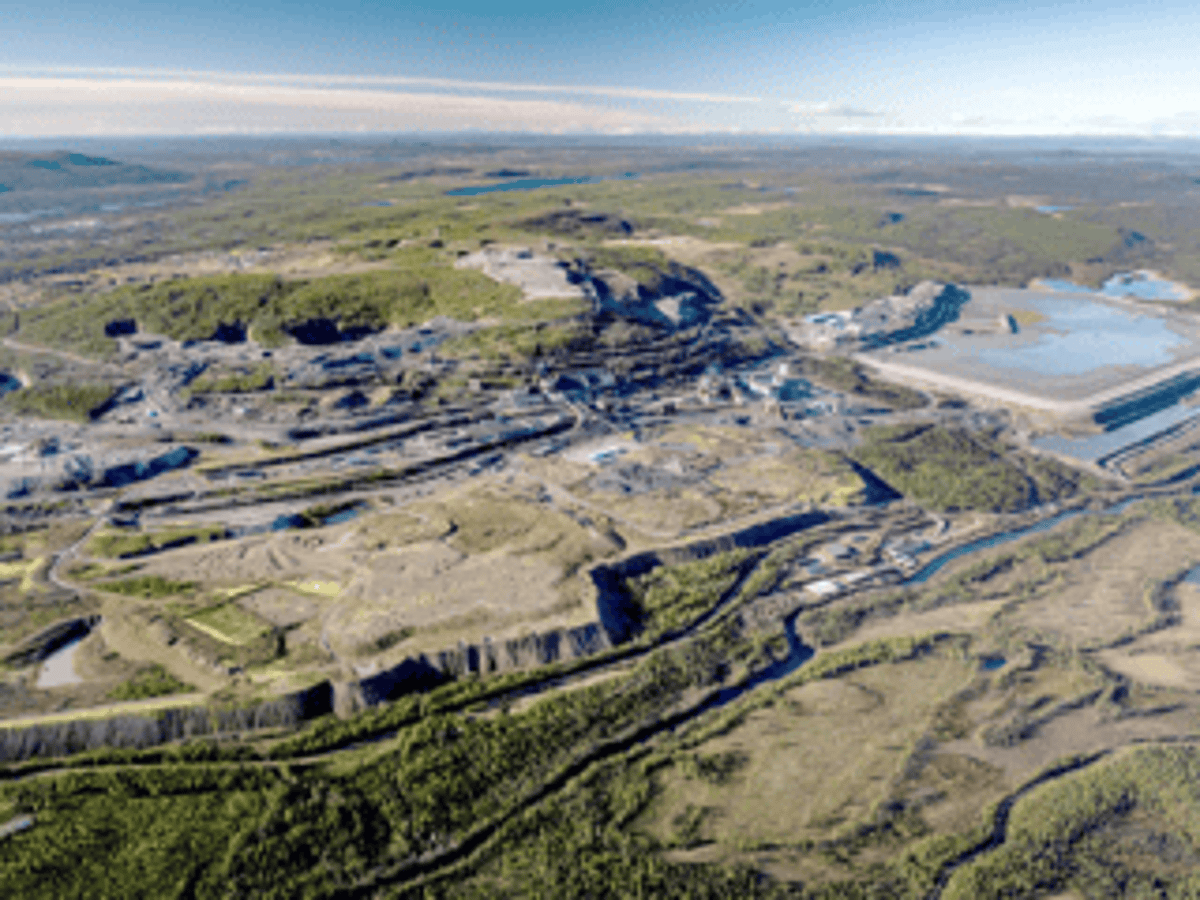
Major Rare Earth Discoveries in Scandinavia Raise Hopes of Easing Europe’s Dependence on China
Companies Mentioned
Why It Matters
These deposits could halve the EU’s reliance on China over the long term, yet immediate supply gaps jeopardize the region’s green‑energy transition and defence readiness.
Key Takeaways
- •Fensfeltet deposit grew to 15.9 Mt RE oxides, Europe’s largest.
- •Norway aims to start mining 2031, targeting up to 30% EU demand.
- •Sweden’s Norra Kärr could meet all EU heavy RE demand for 26 years.
- •EU rare‑earth supply won’t shift from China until at least 2030s.
- •Permitting and financing delays remain the biggest barrier to domestic production.
Pulse Analysis
Europe’s rare‑earth strategy has long been dominated by Chinese export controls, which exposed a dependence of up to 90 % for most elements and near‑total reliance for critical magnets. The recent surge of discoveries in Scandinavia—most notably Norway’s Fensfeltet and Sweden’s Per Geijer and Norra Kärr—offers a tangible domestic source that could eventually supply a sizable share of the EU’s demand. By 2031 Norway plans to extract roughly 5 % of the bloc’s needs, scaling to 20‑30 % as infrastructure matures, while Sweden’s heavy‑rare‑earth‑rich Norra Kärr could alone cover the EU’s heavy RE requirements for over two decades.
Despite the geological promise, the timeline remains the decisive constraint. Bringing a mine from discovery to production typically spans 10‑20 years, and the European Court of Auditors warns that domestic output is unlikely to make a dent before the 2030s. The bottleneck is not ore quality but a tangled web of permitting, fragmented funding, and stringent environmental standards that stretch approvals to 15‑20 years. Capital scarcity compounds the risk, as investors shy away from projects with long payback periods and uncertain policy support, leaving many promising sites in a regulatory limbo.
Policy makers must therefore pair geological breakthroughs with decisive institutional reforms. Streamlined licensing, pooled EU‑level financing, and clear de‑risking mechanisms could accelerate project timelines. Simultaneously, Europe should invest in downstream processing capacity and circular‑economy initiatives, as raw‑material supply alone will not secure strategic autonomy. While Greenland’s massive Kvanefjeld deposit remains politically contentious, securing reliable, near‑term supply will hinge on unlocking Scandinavian projects and fostering a resilient, integrated rare‑earth value chain.
Major rare earth discoveries in Scandinavia raise hopes of easing Europe’s dependence on China
Comments
Want to join the conversation?
Loading comments...