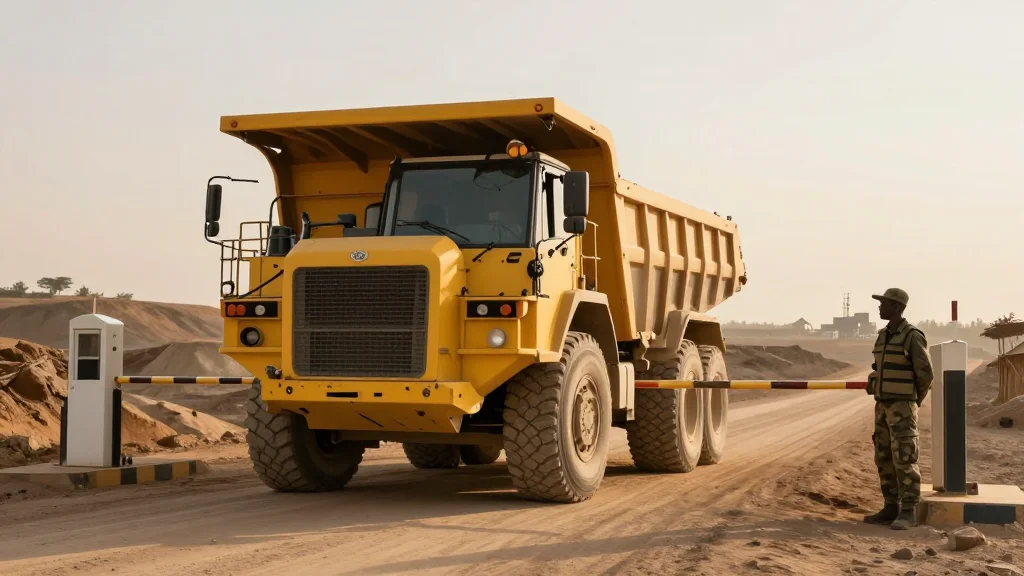
Mali 'Road Insecurity' Delays Resolute Equipment Delivery
Why It Matters
The delay trims near‑term revenue and pushes back Syama’s ramp‑up, signaling heightened geopolitical risk for West African miners and influencing investor confidence.
Key Takeaways
- •Road insecurity in Mali stalls delivery of new processing equipment
- •Resolute cuts Syama quarterly output forecast due to logistics delays
- •Full-year production guidance remains unchanged but at the lower range
- •Security challenges highlight broader supply chain risks for West African miners
Pulse Analysis
The Sahel nation of Mali has seen a sharp rise in jihadist‑linked violence over the past year, turning once‑traversable highways into high‑risk corridors. Armed groups routinely ambush convoys, lay improvised explosive devices, and impose extortion fees on transport firms. This deteriorating security landscape has forced logistics providers to reroute or suspend shipments, inflating costs and extending lead times for heavy‑equipment imports. For mining companies that depend on timely delivery of crushers, conveyors, and processing modules, the road insecurity translates directly into operational bottlenecks and delayed production ramps.
Resolute Mining’s Syama gold project, located in western Mali, is now grappling with these logistical setbacks. The company announced a reduction in its quarterly output guidance as the anticipated delivery of critical processing equipment has been postponed. While the full‑year forecast remains intact, it sits at the lower end of the previously communicated range, reflecting a cautious stance amid uncertainty. The equipment delay not only curtails short‑term cash flow but also pushes back the timeline for reaching the mine’s designed throughput, potentially affecting royalty payments and investor sentiment.
The episode underscores a growing supply‑chain risk for extractive firms operating in politically volatile regions. Investors are increasingly factoring security‑related cost overruns into valuation models, and some are demanding stronger risk‑mitigation strategies, such as pre‑positioned inventory or alternative transport modes like air freight. For the broader West African mining corridor, the Mali situation may prompt a reassessment of project economics and spur collaboration with governments to improve corridor security. Companies that can demonstrate resilience to such disruptions are likely to attract capital in an environment where ESG and geopolitical stability are tightly linked.
Mali 'road insecurity' delays Resolute equipment delivery
Comments
Want to join the conversation?
Loading comments...