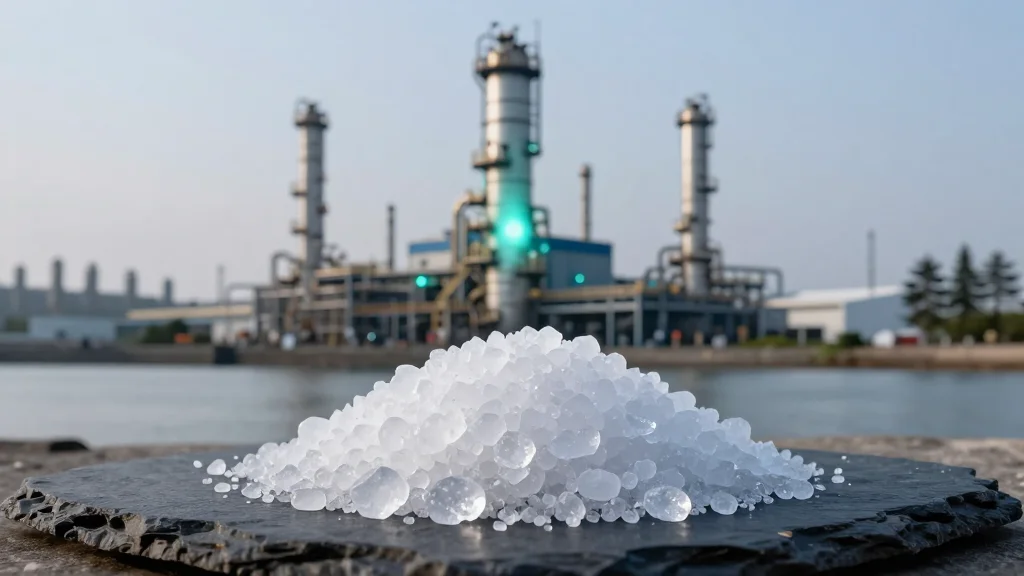
Mangrove Lithium Opens North America’s First Electrochemical Refinery in British Columbia

Why It Matters
Mangrove’s refinery addresses a critical bottleneck in Canada’s battery ecosystem by adding domestic lithium‑hydroxide production. By reducing reliance on overseas processors, the plant enhances supply‑chain resilience, lowers carbon emissions associated with long‑haul shipping, and creates a foothold for downstream industries such as cathode manufacturing and cell assembly. The project also signals to investors and policymakers that Canada can develop competitive, low‑waste refining technologies, potentially attracting further capital to the broader critical‑minerals sector. Beyond Canada, the refinery challenges the near‑monopoly held by China and a few other nations over lithium processing. If Mangrove’s electrochemical approach proves cost‑effective at scale, it could inspire similar facilities across North America, diversifying global supply and mitigating geopolitical risks tied to battery material shortages.
Key Takeaways
- •Mangrove Lithium’s Delta plant can produce 1,000 tonnes of battery‑grade lithium hydroxide per year
- •Capacity is enough for roughly 25,000 EVs
- •Electrochemical process eliminates sodium sulfate waste and reduces carbon intensity
- •Canada currently lacks domestic refining, with 96 % of global capacity held by three countries in 2023
- •Plant opening was highlighted by CEO Saad Dara, Minister Jill McKnight and Premier David Eby
Pulse Analysis
Mangrove’s entry into the North‑American lithium‑refining market arrives at a moment when governments and automakers are scrambling to secure critical minerals. The plant’s modest 1,000‑tonne output may seem small against the backdrop of a projected 1 million‑tonne demand by 2030, but its strategic value lies in breaking the upstream‑downstream disconnect that has long plagued Canadian mining projects. By offering a domestic, low‑waste refining option, Mangrove reduces the logistical and regulatory hurdles that have deterred many developers from moving beyond extraction.
The electrochemical technology could be a game‑changer if it scales. Conventional refineries rely on high‑temperature chemical reactions that generate significant waste streams and demand large volumes of sodium hydroxide. Mangrove’s membrane‑based approach swaps chemical inputs for electricity, a cost component that Canada can mitigate through its abundant renewable energy resources. This alignment with decarbonization goals may make the plant eligible for green‑energy subsidies, further improving its economics relative to low‑cost Chinese refineries that benefit from cheap coal‑derived power.
However, the refinery alone will not create a self‑sufficient battery ecosystem. Canada must still attract investment in cathode production, cell assembly, and EV manufacturing to close the loop. The success of Mangrove’s second plant, slated for the near future, will be a litmus test for whether the country can transition from a raw‑material exporter to a full‑stack battery supplier. If the refinery can secure long‑term feedstock contracts and demonstrate consistent product quality, it could catalyze a cascade of downstream projects, positioning Canada as a credible alternative to the current China‑centric supply chain.
Mangrove Lithium Opens North America’s First Electrochemical Refinery in British Columbia
Comments
Want to join the conversation?
Loading comments...