Companies Mentioned
Why It Matters
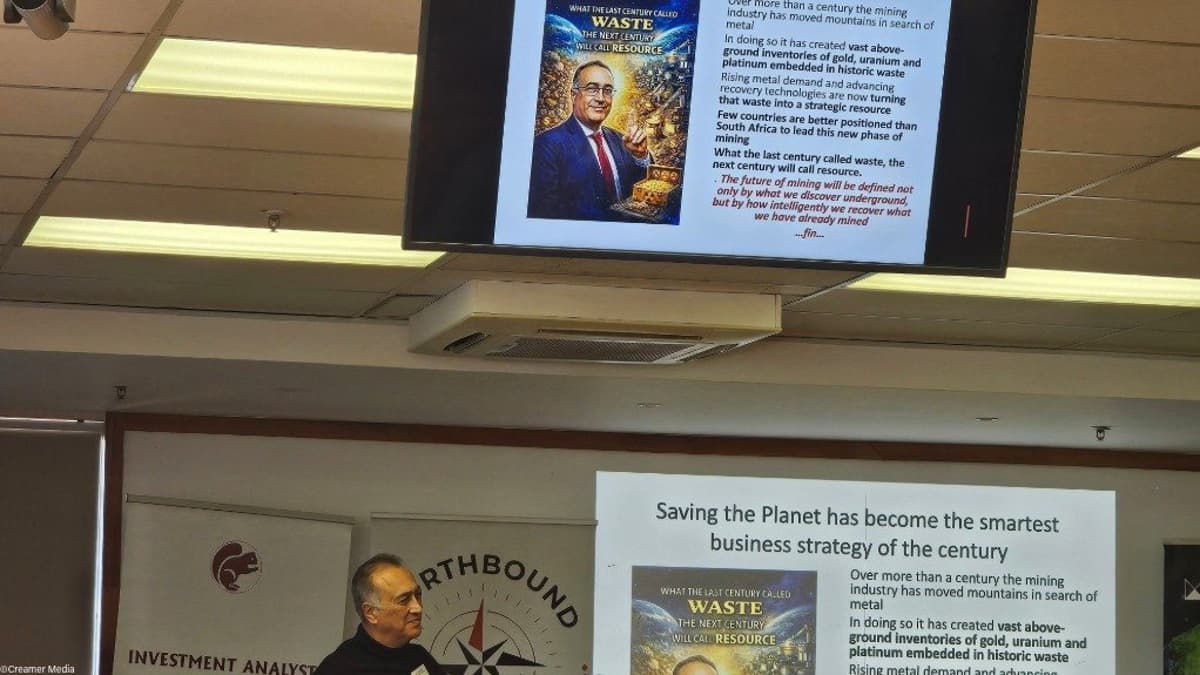
Re‑processing mine waste can offset falling primary ore grades, supply critical metals for the energy transition, and generate multi‑billion‑dollar revenue streams for mining‑dependent economies.
Key Takeaways
- •Global mine waste holds $3.4 trillion in recoverable metals
- •South Africa's historic tailings could yield $150 billion in gold
- •Advanced processing can turn waste into lower‑cost resource
- •Declining ore grades drive need for circular mining solutions
- •Investment incentives lacking, risking missed economic upside
Pulse Analysis
The scale of global mining waste is staggering: roughly 100 billion tonnes of tailings and waste rock are produced each year, representing the fastest‑growing material stream in the resources sector. Modern analytical techniques and higher commodity prices have revealed that these deposits may contain over $3.4 trillion worth of metals that early processing plants left behind. As the world accelerates its shift toward renewable energy, electric vehicles, and digital infrastructure, the demand for copper, nickel, platinum‑group metals and rare earths is outpacing the supply from declining ore grades, making waste re‑processing an increasingly attractive source of secondary raw material.
South Africa sits at the heart of this emerging market. The Witwatersrand basin alone holds an estimated six billion tonnes of historic gold tailings, translating to roughly 30 million ounces of gold—about $150 billion at current prices. Coupled with an estimated 600 000 tonnes of uranium worth over $110 billion, the country’s above‑ground reserves could become a cornerstone of its mining renaissance. Companies such as DRDGOLD, Pan African Resources and Sibanye‑Stillwater are already piloting retreatment operations, while specialist processor Northbound offers dedicated circular plants for gold‑bearing by‑products. These initiatives illustrate how existing infrastructure can be leveraged to extract value with lower capital intensity than greenfield mines.
Realising the full potential of mining waste, however, hinges on technological innovation and supportive policy frameworks. Advanced adsorption‑recovery systems, carbon processing, and high‑throughput metallurgical techniques are required to boost recovery rates beyond the historic 60‑80 percent range. Yet, the sector faces a shortfall of incentives, risking a slowdown in investment for new processing facilities. Governments and investors that prioritize circular capitalism—aligning environmental remediation with economic returns—will be positioned to capture a multitrillion‑dollar market while mitigating the ecological footprint of legacy mining operations.
Masterclass unpacks global mining waste opportunity
Comments
Want to join the conversation?
Loading comments...