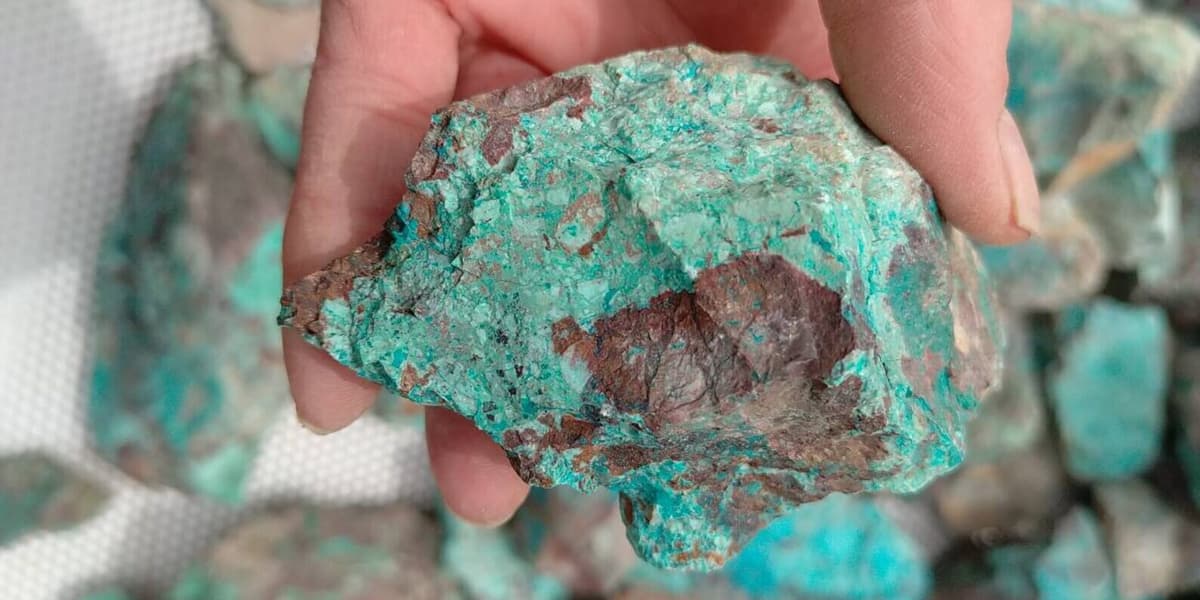
Middle East Conflict Threatens DRC Copper and Cobalt Sector Amid Sulfuric Acid Shortage
Why It Matters
The shortage raises production costs and threatens supply stability for a metal essential to electric vehicles and renewable energy, potentially tightening copper markets worldwide. Companies with in‑house acid capacity, like Kamoa‑Kakula, stand to mitigate the impact and capture margin upside.
Key Takeaways
- •China halted sulfuric acid exports, cutting global supply by ~70%
- •DRC may lose up to 125,000 tonnes copper in 2026
- •Sulfuric acid prices jumped 50‑100% since February 2026
- •Kamoa‑Kakula smelter produces 1,350 t/d sulfuric acid, offering cost edge
- •Global sulfur imports fell 11% YoY in Q1 2026
Pulse Analysis
Sulfuric acid is the linchpin of modern copper leaching, converting low‑grade oxidized ores into market‑ready metal. China, responsible for roughly 45% of global production, halted exports in early May to safeguard domestic supply as geopolitical friction flared around the Strait of Hormuz. The move rippled through the supply chain, driving acid prices up by as much as 100% and squeezing miners who depend on the chemical for roughly one‑fifth of worldwide copper output.
In the Democratic Republic of Congo, the world’s third‑largest copper producer, the acid crunch translates into a tangible output hit. Goldman Sachs estimates a potential loss of 125,000 tonnes of copper in 2026 if the shortage persists, a shortfall that could tighten an already volatile market where copper trades near $12,300 per tonne. Higher processing costs are likely to be passed through to buyers, adding pressure on downstream industries such as electric‑vehicle manufacturers and renewable‑energy developers that rely on steady copper supplies.
Not all players are equally exposed. Ivanhoe Mines’ Kamoa‑Kakula complex has built an in‑house sulfuric acid plant capable of producing about 1,350 tonnes per day, positioning it to weather the shortage and potentially enjoy a cost advantage over peers scrambling for limited imports. For investors, the divergence underscores the value of vertical integration in commodities, while the broader industry watches for policy shifts that could restore a more balanced global acid market.
Middle East Conflict Threatens DRC Copper and Cobalt Sector Amid Sulfuric Acid Shortage
Comments
Want to join the conversation?
Loading comments...