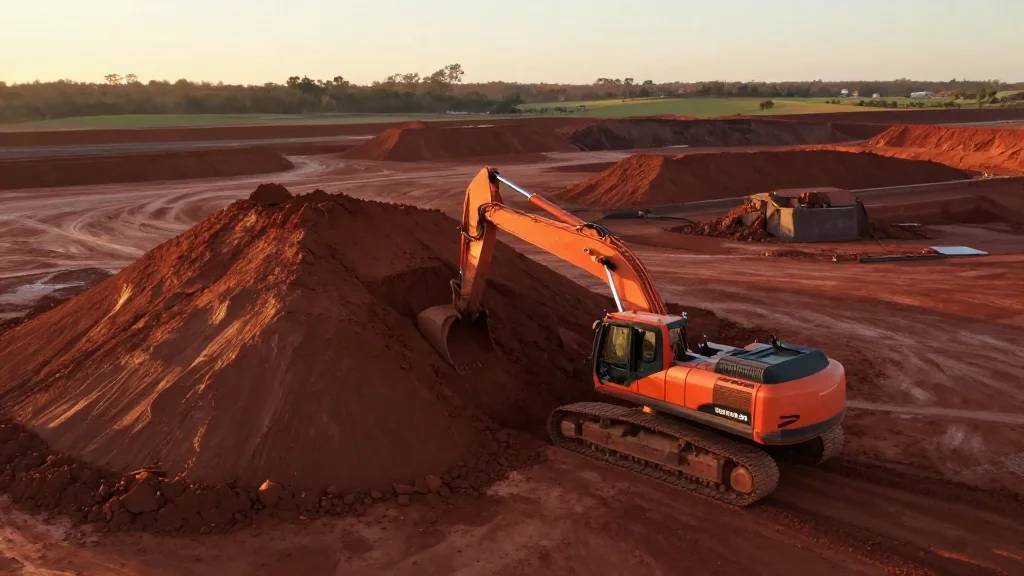
Why It Matters
Recovering minerals from waste could boost BHP's profitability while reducing environmental footprints, setting a benchmark for sustainable mining practices.
Key Takeaways
- •BHP evaluating waste dump mineral recovery at Olympic Dam
- •131 different minerals currently discarded as tailings
- •Project could improve resource efficiency and reduce environmental impact
- •Success hinges on technology and economic viability
- •Potential to extend mine life and boost shareholder returns
Pulse Analysis
Olympic Dam, one of the world’s largest multi‑metal mines, generates massive tailings that contain over a hundred recoverable elements. While traditional mining focuses on primary ore, BHP’s proposed venture seeks to reprocess these waste streams, turning what was once a liability into a revenue source. The move reflects a broader industry shift toward circular resource use, driven by tighter regulations and rising commodity prices that make low‑grade material economically attractive.
The technical challenge lies in separating a complex mix of 131 minerals efficiently and at scale. Advanced hydrometallurgical processes, bio‑leaching, and sensor‑based sorting are among the technologies under evaluation. Each offers varying degrees of recovery rates, capital intensity, and environmental impact. BHP must balance the upfront investment against projected yields, factoring in fluctuating market prices for copper, uranium, gold and other by‑products. A successful pilot could unlock a new revenue stream, but failure would add to operating costs and potentially delay other capital projects.
Strategically, the initiative aligns with ESG expectations and could enhance BHP’s sustainability profile. Demonstrating effective waste valorisation may attract ESG‑focused investors and satisfy community concerns about tailings management. Moreover, extending the mine’s productive life without new pit development reduces land disturbance and carbon emissions. If BHP proves the model viable, it could set a precedent for other legacy mines worldwide, reshaping how the sector approaches waste and resource efficiency.
Mission (almost) Impossible for BHP at Olympic Dam
Comments
Want to join the conversation?
Loading comments...