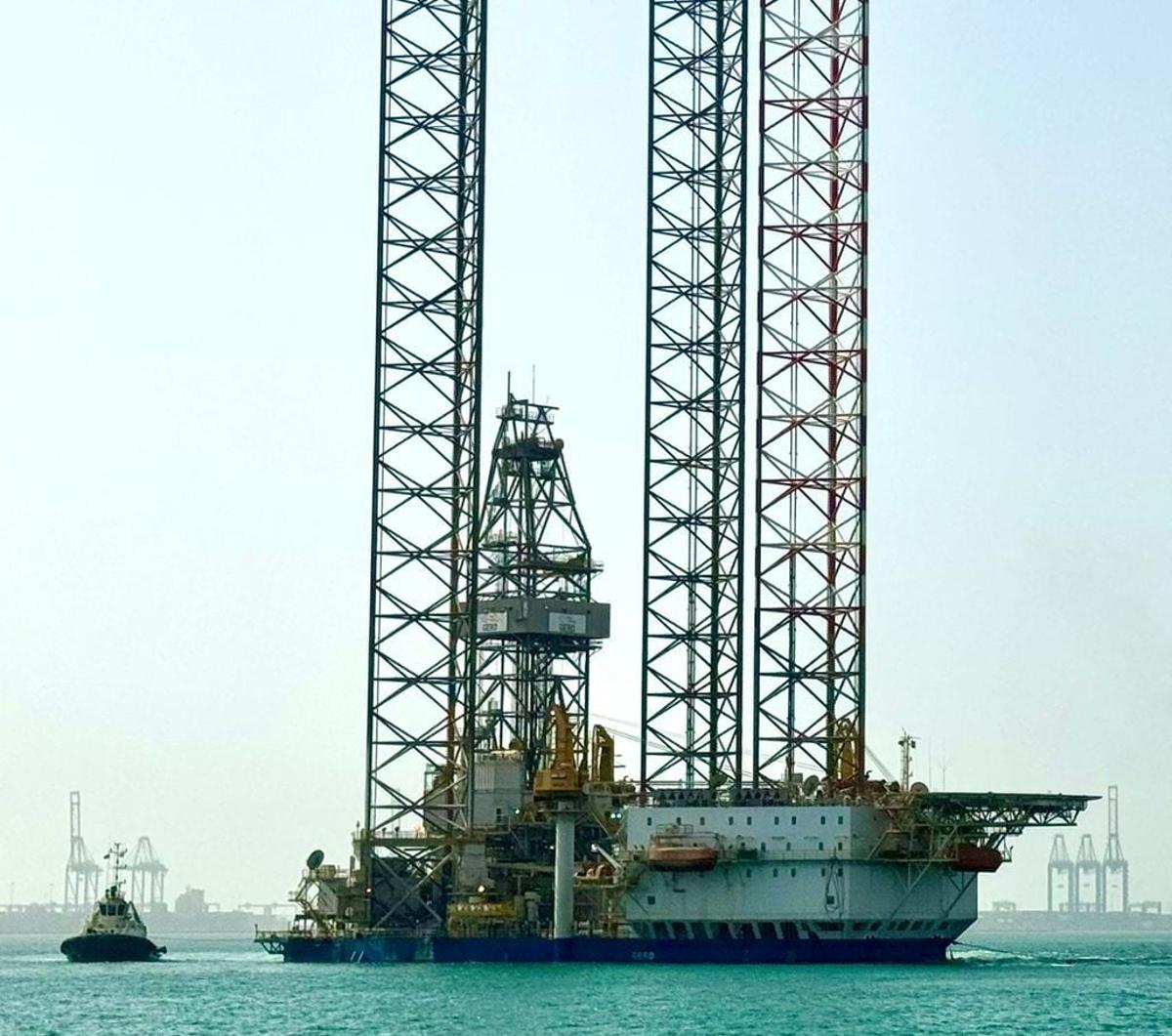
MOPU and FSO Units Linked, Marking New Milestone for African Oil Field Revival
•March 5, 2026
0
Why It Matters
The hook‑up demonstrates that dormant African fields can be reactivated with cost‑effective offshore infrastructure, expanding regional supply and attracting investment. It also showcases the strategic value of MOPU‑FSO configurations for rapid field development.
Key Takeaways
- •MOPU Stella Energy 1 linked to FSO Kristina.
- •Oil now flowing from Benin's Sèmè field.
- •Akrake Petroleum leads revival under Lime Petroleum.
- •First of three wells drilled with Borr Gerd rig.
- •Field previously produced 22 million barrels (1982‑1998).
Pulse Analysis
The successful MOPU‑FSO integration at the Sèmè field highlights a growing trend toward modular, floating production solutions in West Africa. By pairing a mobile offshore production unit with a floating storage and offloading vessel, operators can bypass the high capital costs and lengthy timelines associated with fixed platforms. This approach is especially attractive for fields that have been idle for decades, allowing companies like Akrake Petroleum to quickly monetize existing reserves while preserving flexibility for future expansion.
From a market perspective, the revival of the Sèmè field underscores renewed investor confidence in African offshore basins as global oil prices stabilize. The involvement of Singapore‑based Rex International and its subsidiaries signals a strategic shift toward leveraging Asian capital to fund African energy projects. Moreover, the use of Borr Drilling’s Gerd jack‑up rig illustrates how established drilling assets can be redeployed efficiently, reducing the need for new rig construction and accelerating the path to first oil.
Looking ahead, the Sèmè field’s progress may serve as a blueprint for other mature African assets awaiting redevelopment. The modular nature of MOPU and FSO units enables rapid deployment, lower environmental footprints, and easier de‑commissioning when production wanes. As regional governments seek to boost hydrocarbon output, partnerships that combine technical expertise, flexible financing, and proven offshore technology are likely to become the cornerstone of the next wave of African oil field revivals.
MOPU and FSO units linked, marking new milestone for African oil field revival
0
Comments
Want to join the conversation?
Loading comments...