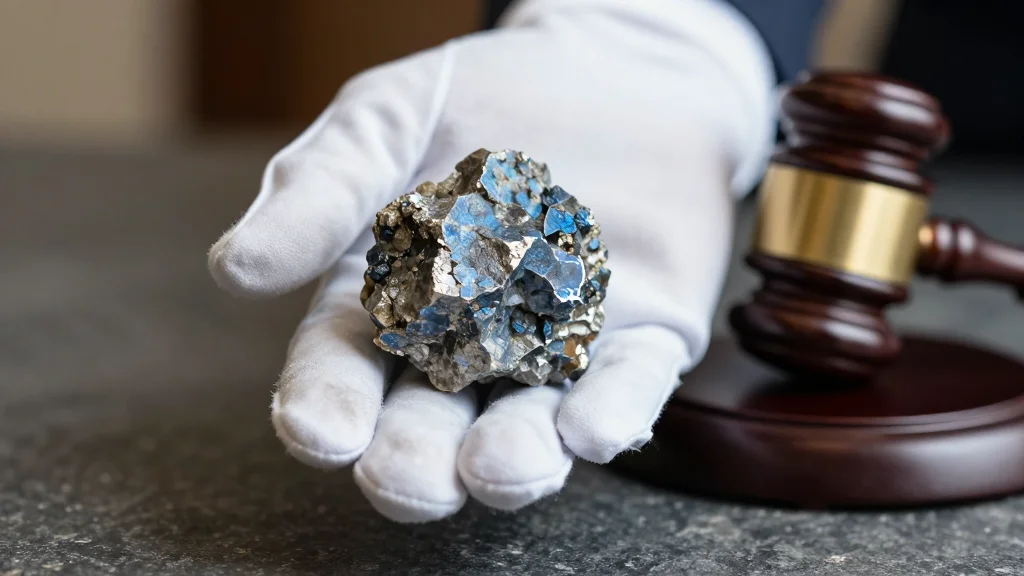
MP Materials Accuses USA Rare Earth of Magnet Tech Theft
Companies Mentioned
Why It Matters
The case highlights the high stakes of intellectual‑property control in the emerging U.S. rare‑earth magnet market and could affect government funding and investor confidence in domestic supply‑chain projects.
Key Takeaways
- •MP alleges USAR stole magnet “grain boundary diffusion” technology
- •Lawsuit questions validity of USAR’s Round Top mineral resource estimates
- •Both firms rely on U.S. government funding to reduce China dependence
- •USAR’s market value slipped below $6 billion after filing
- •Rare‑earth magnet IP becomes strategic asset for EV and defense sectors
Pulse Analysis
Rare earth elements are essential for high‑performance permanent magnets that power electric‑vehicle drivetrains, wind‑turbine generators, and advanced defense systems. The United States, which imports more than half of the world’s mined rare earths and almost all of its processed output, has made domestic production a national security priority. MP Materials, the sole U.S. miner operating the Mountain Pass deposit in California, has built a vertically integrated process that converts raw ore into neodymium‑iron‑boron magnets. Its rival, USA Rare Earth, is developing the Round Top project in Texas and has already commissioned a magnet‑making plant in Oklahoma, positioning both firms as linchpins of the Biden administration’s $2‑billion‑plus investment plan.
In a Texas court filing, MP alleges that a former employee handed over its proprietary “grain boundary diffusion” formulations to USA Rare Earth, which then shared the data with an external technology partner. The complaint also challenges USAR’s claimed resource numbers at Round Top, suggesting the deposit may not meet the scale advertised to investors and policymakers. The lawsuit sent both stocks tumbling roughly 3 %, pushing USAR’s market capitalization under $6 billion and MP’s to about $11.6 billion, underscoring how legal risk can quickly erode valuation in a nascent sector.
The dispute arrives amid heightened congressional scrutiny of federal subsidies for rare‑earth projects, especially after USAR announced a $2.8 billion acquisition of Brazil’s Serra Verde Group. If the court finds IP infringement, it could trigger tighter controls on talent mobility and force companies to bolster internal security protocols, potentially slowing the rollout of domestic magnet capacity. Conversely, a dismissal might reassure investors and keep the supply‑chain roadmap on track, a critical factor as the United States seeks to curb China’s dominance in the strategic minerals market.
MP Materials accuses USA Rare Earth of magnet tech theft
Comments
Want to join the conversation?
Loading comments...