Why It Matters
The MQA’s scale and funding underpin South Africa’s mining talent pipeline, crucial for economic stability and the sector’s shift toward automation and green energy. Its renewed focus on collaborative reskilling ensures the industry can meet future demand while supporting displaced workers.
Key Takeaways
- •458,941 beneficiaries completed sector‑funded programmes.
- •R11.97 billion granted for skills development.
- •AI and robotics training reduces underground risks.
- •Reskilling supports transition to solar and green hydrogen.
- •Collaboration needed across Setas, universities, industry.
Pulse Analysis
The Mining Qualifications Authority has become a cornerstone of South Africa’s mining ecosystem, channeling nearly R12 billion into sector‑specific education over the past two decades. By managing over 460,000 training completions, the MQA not only addresses immediate labour shortages but also aligns curricula with the evolving needs of mines, ensuring a steady flow of qualified technicians, engineers, and artisans. This financial commitment and scale give the authority a unique leverage point to influence policy, standards, and the overall quality of the nation’s mineral workforce.
Technology is reshaping mining operations, with artificial intelligence, autonomous drilling rigs, and robotic haulage systems entering mainstream use. The MQA’s rollout of simulated‑machinery training and mock‑mine environments equips learners with hands‑on experience before they face hazardous underground conditions, reducing accident rates and boosting productivity. Simultaneously, the authority’s reskilling programmes target workers from winding‑down coal operations, retraining electricians and other artisans for solar‑technology installation, green hydrogen projects, and broader renewable‑energy roles. This dual focus on high‑tech upskilling and green transition positions the sector to remain competitive while contributing to South Africa’s climate commitments.
Beyond the mines, the MQA’s initiatives intersect with the nation’s strained post‑school education system. With matriculants approaching one million annually and university enrolments more than doubling since the 1990s, capacity constraints threaten the pipeline of future talent. By urging SETAs, universities, and technical colleges to pool resources, the MQA advocates a coordinated response that can expand training seats, improve pass rates, and align academic outcomes with industry demand. In a market where gold prices are rallying and global volatility persists, such integrated workforce development is vital for sustaining investment, safeguarding jobs, and delivering a resilient, future‑ready mining sector.
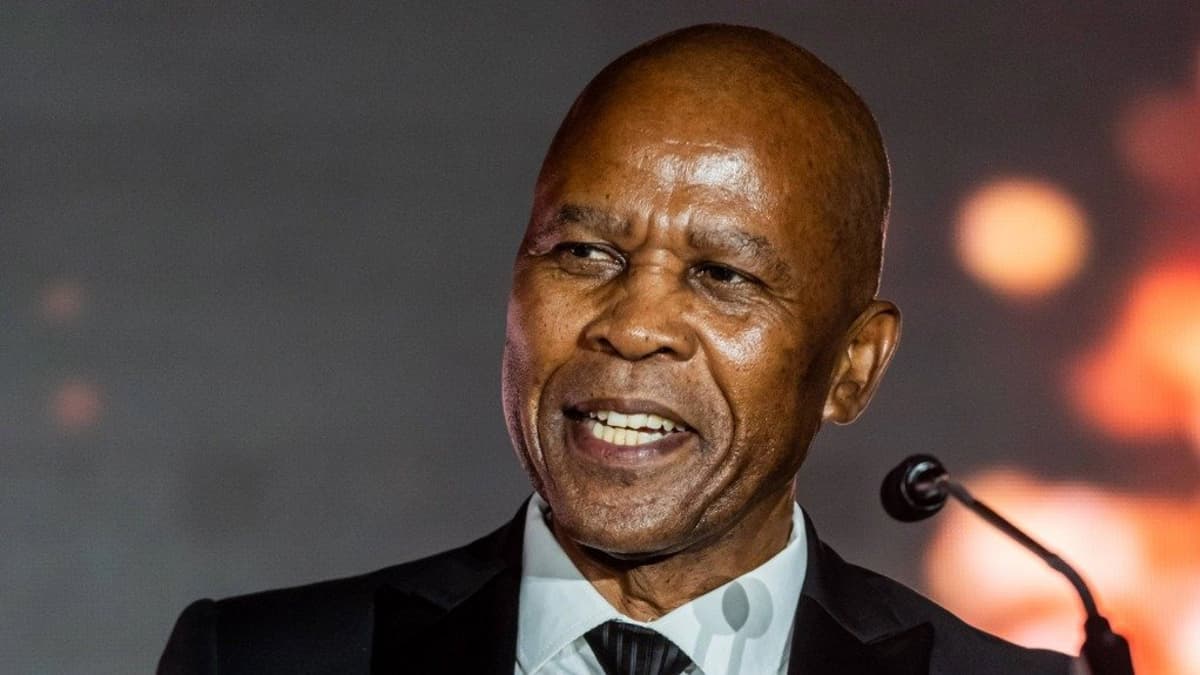
MQA celebrates its thirtieth anniversary
0
Comments
Want to join the conversation?
Loading comments...