Namibia: Diesel Costs Bite Mining Operations
Why It Matters
Fuel cost volatility threatens the profitability of Namibia’s mining sector, prompting rapid adoption of electrification and efficiency measures to maintain production and competitiveness.
Key Takeaways
- •Husab mine adds trolley‑line system to cut diesel use on steep ramps
- •Diesel consumption at Husab totals 79 million litres annually, driving cost pressure
- •Namibia’s government will absorb N$1.3 bn (~$71 m) fuel subsidies for Apr‑May 2026
- •Oil at $120/barrel spikes input costs for Namibian mines
- •Mining firms prioritize electrification and efficiency to survive volatile fuel markets
Pulse Analysis
The surge in global oil prices, now hovering around $120 per barrel, has reverberated across resource‑intensive economies, and Namibia is no exception. Mining operations, which traditionally rely on diesel‑powered haul trucks, face cost escalations that can erode margins quickly. With the country importing all refined petroleum products, any shock in international markets translates directly into higher operating expenses, prompting executives to reassess cost structures and explore alternative power sources.
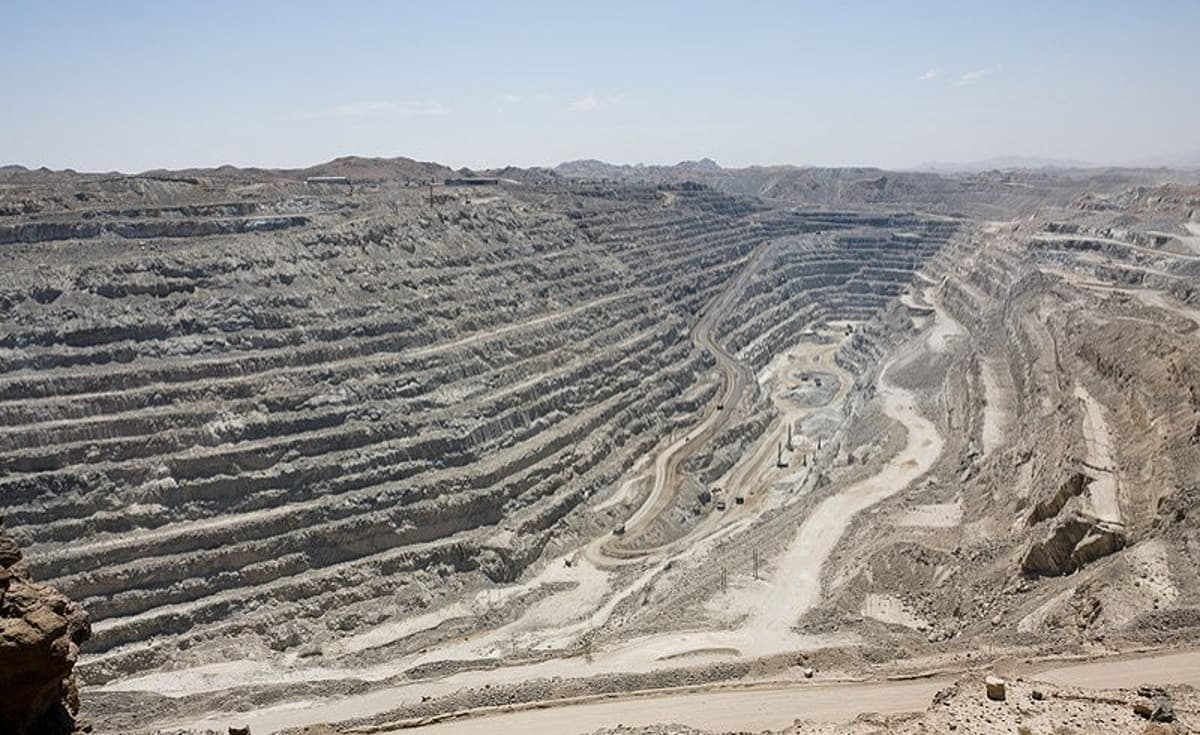
In response, Husab mine has rolled out a trolley‑line system that supplies electricity to haul trucks via an overhead pantograph on steep sections of the mine. This hybrid approach allows trucks to run on electric power where feasible, slashing diesel use to near‑zero during those intervals. The technology not only curtails fuel spend but also boosts haulage speed, improving overall productivity. Such electrification initiatives echo a broader trend in the mining sector, where companies are investing in renewable‑energy‑compatible equipment to hedge against volatile fuel markets and meet sustainability targets.
Namibia’s government is cushioning the immediate impact by earmarking roughly N$1.3 billion (about $71 million) in subsidies for April and May 2026, ensuring domestic fuel supplies remain stable. While this fiscal support offers short‑term relief, long‑term resilience will depend on continued investment in efficiency measures and the scaling of electric haulage solutions. For regional miners, the Husab case underscores the urgency of integrating technology-driven energy strategies to safeguard profitability amid persistent global supply‑chain disruptions.
Namibia: Diesel Costs Bite Mining Operations
Comments
Want to join the conversation?
Loading comments...