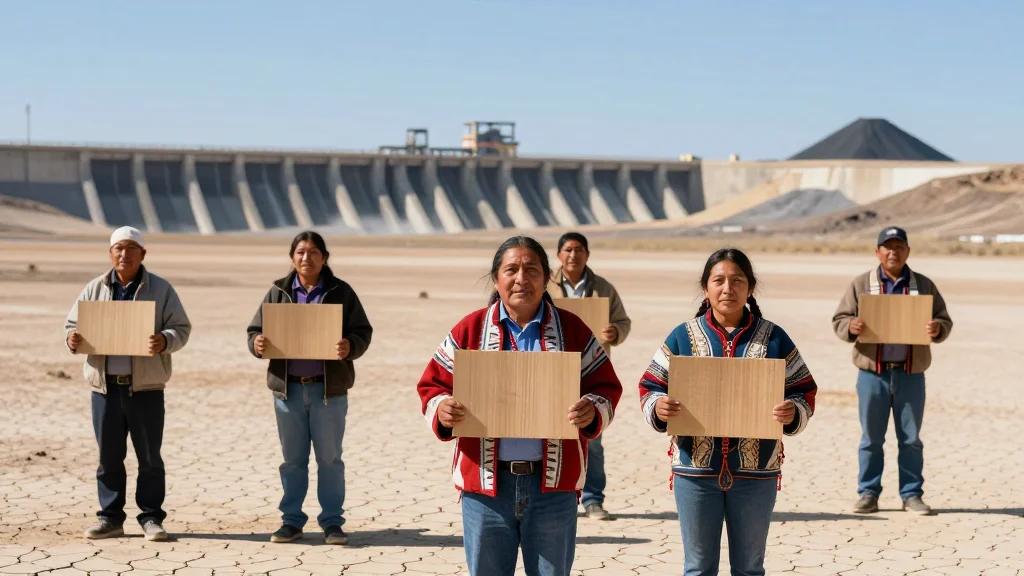
Navajo Protesters Rally Against Kayenta Hydropower Project and Coal Mine Expansion

Why It Matters
The clash over the Kayenta pumped‑storage project and coal‑mine expansion illustrates the growing tension between federal energy policy and Indigenous rights. Water from the Coconino aquifer is a finite resource for a community already facing scarcity; diverting it for external power generation could exacerbate existing hardships. Moreover, the simultaneous push for renewable and fossil‑fuel projects raises questions about the true environmental benefits of such developments when they are sited on lands with limited water and high cultural significance. If the Navajo Nation rejects the proposals, it could signal a shift toward community‑led energy solutions, such as the solar installations already being deployed by Heart of America and the Church of Jesus Christ of Latter‑day Saints, which have brought electricity to over 450 homes. Conversely, approval could pave the way for similar federal‑tribal negotiations across the West, potentially redefining how tribal consent is integrated into national energy strategies.
Key Takeaways
- •April 21 protest outside Navajo Nation Council Chamber led by Harrison Craig and Adrian Herder
- •Kayenta Pumped Storage project proposes 10 wells tapping the C‑aquifer, with electricity slated for non‑tribal markets
- •Energy Secretary Chris Wright seeks to remove tribal veto power from hydropower permitting
- •Coal‑mine expansion and other extractive projects are being considered alongside the hydropower plan
- •Tribal council vote expected during spring session; federal rule change hearing set for June
Pulse Analysis
The Navajo protest underscores a pivotal moment in U.S. energy policy where the push for domestic power generation collides with Indigenous sovereignty. Historically, large‑scale infrastructure projects on tribal lands have proceeded with limited consultation, often resulting in environmental degradation and social dislocation. The current federal effort to streamline hydropower approvals, framed as a response to rising electricity demand, repeats that pattern by attempting to sideline tribal vetoes. If successful, the rule change could accelerate similar projects across the West, eroding the bargaining power of tribes that have long used treaty rights to negotiate benefits.
At the same time, the juxtaposition of a renewable‑energy pumped‑storage facility with a new coal mine reflects a broader inconsistency in the nation’s climate strategy. While pumped storage can help balance intermittent solar and wind, its water intensity and the fact that the generated power will not serve the Navajo Nation raise doubts about its net environmental gain. The coal‑mine expansion further complicates the narrative, suggesting that economic incentives for fossil‑fuel extraction remain potent despite federal climate pledges.
Looking forward, the outcome of the Navajo council’s decision could influence how other tribes approach similar proposals. A rejection would bolster community‑driven energy models, such as the solar kits already improving quality of life for thousands of households. Acceptance, however, could set a precedent for federal agencies to prioritize national grid reliability over local water security and cultural preservation. The stakes extend beyond the Navajo Nation, potentially reshaping the balance of power between tribal governments and the federal energy agenda for years to come.
Navajo Protesters Rally Against Kayenta Hydropower Project and Coal Mine Expansion
Comments
Want to join the conversation?
Loading comments...