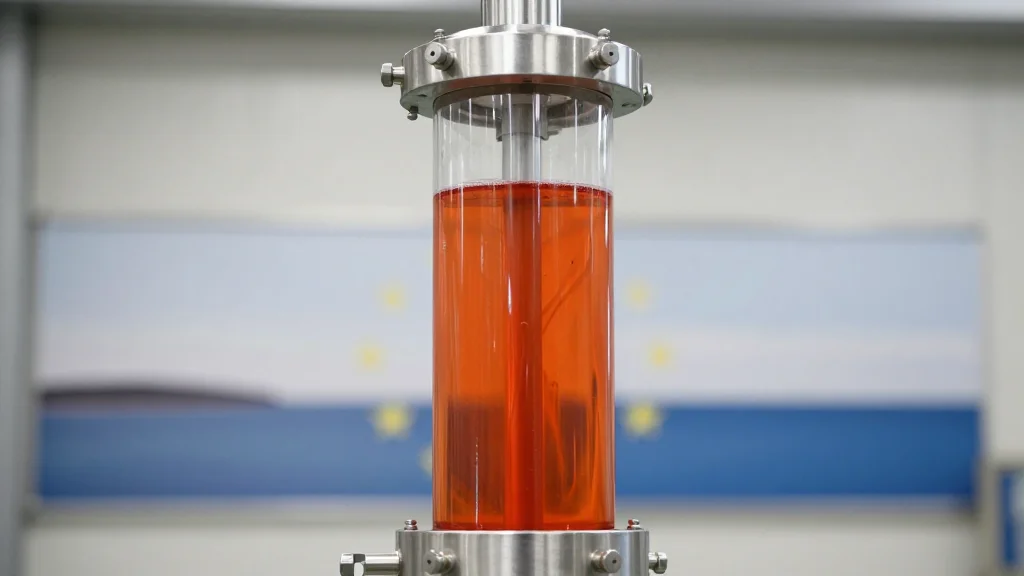
Neo Performance Materials Launches Estonia Heavy Rare Earth Separation Line, Boosting Europe Supply

Why It Matters
The commissioning of Neo’s heavy rare‑earth separation line directly addresses Europe’s strategic vulnerability to supply disruptions from China, the world’s dominant HREE processor. By establishing domestic capability for terbium and dysprosium—key components of high‑performance permanent magnets—the line supports the continent’s energy‑transition goals, from wind‑power generation to electric‑vehicle adoption. Moreover, the project demonstrates that complex solvent‑extraction technology can be deployed at industrial scale outside Asia, encouraging further investment in European critical‑materials infrastructure. A reliable, localized supply of HREEs also strengthens the defense sector, which relies on magnet technology for guidance systems and actuators. As governments and manufacturers prioritize supply‑chain resilience, Neo’s integrated approach could become a model for other critical‑mineral value chains, potentially reshaping global trade patterns and reducing the leverage of export‑controlling nations.
Key Takeaways
- •Neo Performance Materials commissioned a heavy rare‑earth separation line at Estonia’s Silmet facility.
- •The line processes terbium and dysprosium, essential for permanent‑magnet production.
- •It operates at nameplate capacity and is feeding a magnet plant slated for full output by 2026.
- •Europe’s HREE processing capacity has been virtually nonexistent until now.
- •The project reduces reliance on Chinese refiners and supports EU energy‑transition targets.
Pulse Analysis
Neo’s move reflects a broader trend of reshoring critical‑materials capabilities in response to geopolitical risk and supply‑chain volatility. Historically, Europe has imported both raw rare‑earth ores and the refined products needed for high‑tech applications, leaving a strategic gap that China has filled for decades. By inserting a solvent‑extraction step into its own value chain, Neo not only captures more margin but also creates a domestic safety net for industries that cannot afford prolonged outages.
The timing aligns with the EU’s Critical Raw Materials Action Plan, which earmarks funding for projects that close gaps in processing, recycling, and downstream manufacturing. Neo’s line, while still early‑stage, benefits from this policy momentum and could attract public‑private co‑funding to accelerate scale‑up. Competitors outside Europe—particularly Chinese firms—may respond by tightening export controls or offering price incentives, but the strategic advantage of a local supply source may outweigh modest cost differentials for European OEMs.
Looking ahead, the success of the Silmet line will hinge on securing a steady feedstock pipeline and achieving consistent purity levels at commercial volumes. If Neo can demonstrate reliable, cost‑effective production, it could trigger a cascade of similar projects across the continent, from lithium‑ion battery cathode recycling to cobalt refining. The ripple effect would be a more diversified, resilient European industrial base, less exposed to external shocks and better positioned to meet the material demands of a net‑zero future.
Neo Performance Materials Launches Estonia Heavy Rare Earth Separation Line, Boosting Europe Supply
Comments
Want to join the conversation?
Loading comments...