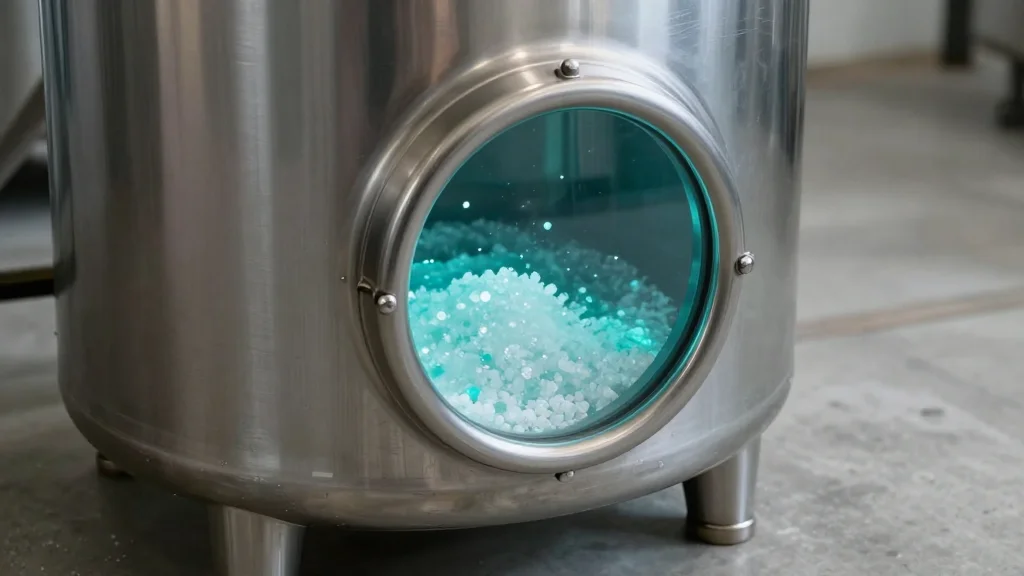
NESI and Vulcan Break Ground on German Lithium Refinery
Why It Matters
By establishing a domestic source of high‑purity lithium, the refinery reduces Europe’s reliance on Asian imports and supports the region’s aggressive EV rollout targets. It also showcases the commercial viability of electrochemical refining, a lower‑carbon alternative to traditional methods.
Key Takeaways
- •24,000 tpa lithium refinery breaks ground in Frankfurt.
- •First commercial-scale electrochemical lithium refining plant in Europe.
- •Capacity enough for 500,000 EV batteries annually.
- •NESI validated its NORSCAND technology at commercial scale in 2024.
- •Project aims to secure European supply chain for EV batteries.
Pulse Analysis
Europe’s electric‑vehicle ambitions are accelerating, but the continent still imports the bulk of its lithium, a critical battery component. The Frankfurt refinery, slated to process 24,000 tonnes of lithium feedstock annually, directly addresses this gap. By producing lithium hydroxide monohydrate (LHM) at scale, the plant can supply roughly half a million EV batteries each year, aligning with the EU’s goal of 30 million electric cars by 2030 and reducing exposure to geopolitical supply shocks.
The facility leverages NESI’s proprietary NORSCAND electrochemical technology, which completed commercial‑scale validation in 2024. Unlike traditional pyrometallurgical routes that consume large amounts of energy and emit CO₂, electrochemical refining operates at lower temperatures and offers higher material efficiency. Vulcan’s engineering expertise, combined with NESI’s chemistry, positions the project as a benchmark for sustainable lithium production in Europe. Early‑stage testing indicates the process can achieve purity levels exceeding 99.9 % LHM, meeting the stringent specifications of premium battery manufacturers.
Strategically, the refinery strengthens Europe’s battery value chain, encouraging downstream investment in cell manufacturing and recycling facilities. It also provides a competitive edge for European automakers seeking to meet strict carbon‑footprint regulations. Investors are likely to view the project as a catalyst for broader decarbonisation initiatives, potentially spurring additional financing for similar low‑carbon mineral processing ventures across the continent.
NESI and Vulcan break ground on German lithium refinery
Comments
Want to join the conversation?
Loading comments...