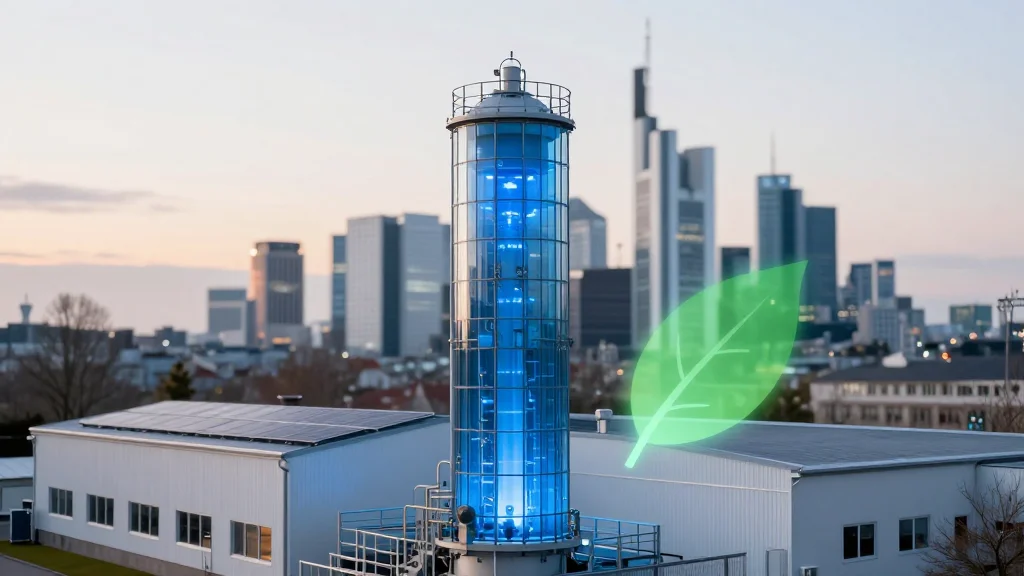
NESI Technology Powers New Low-Carbon Lithium Plant in Germany
Why It Matters
The facility reduces Europe’s reliance on imported lithium, accelerating the region’s shift to sustainable electric‑vehicle production and showcasing scalable low‑carbon battery material technology.
Key Takeaways
- •Vulcan's Frankfurt plant aims for 24,000 tonnes lithium hydroxide annually.
- •Funding package totals €2.2 billion (~$2.4 billion) for the low‑carbon project.
- •NESI's NORSCAND electrolysis converts raw material to battery‑grade lithium.
- •Output could supply roughly 500,000 electric vehicles each year.
- •Commercial production expected to start in late 2028.
Pulse Analysis
Europe’s aggressive climate targets have spurred a scramble for domestic battery‑material sources, and lithium sits at the heart of that race. By anchoring its Lionheart Project in Frankfurt, Vulcan Energy Resources aims to replace a sizable share of imported lithium with a locally produced, low‑carbon alternative. The €2.2 billion investment underscores both governmental and private confidence in reshoring critical minerals, positioning Germany as a potential hub for the next generation of clean‑energy supply chains.
NESI’s NORSCAND electrolysis technology is the linchpin of the plant’s sustainability claim. Unlike conventional processes that rely on high‑temperature smelting and generate significant CO₂, the electrolysis method uses renewable electricity to split lithium‑bearing brine into high‑purity lithium hydroxide with a markedly lower carbon footprint. This approach not only aligns with the EU’s Green Deal objectives but also offers a replicable model for other regions seeking to decarbonize their mineral extraction operations.
The market impact could be profound. Supplying enough lithium for half a million electric vehicles each year directly supports the accelerating rollout of EVs across Europe, helping automakers meet stricter emissions standards. Moreover, the partnership highlights a growing German‑Canadian collaboration in clean‑tech, signaling to investors that cross‑border innovation can unlock scalable, environmentally responsible solutions. With commercial production slated for late 2028, the project sets a clear timeline for when the benefits—reduced supply chain risk, lower emissions, and cost‑competitive battery material—will begin to materialize.
NESI technology powers new low-carbon lithium plant in Germany
Comments
Want to join the conversation?
Loading comments...