New Episode: Turning Tailings Into Assets, Q&A with Canada’s MICA
Why It Matters
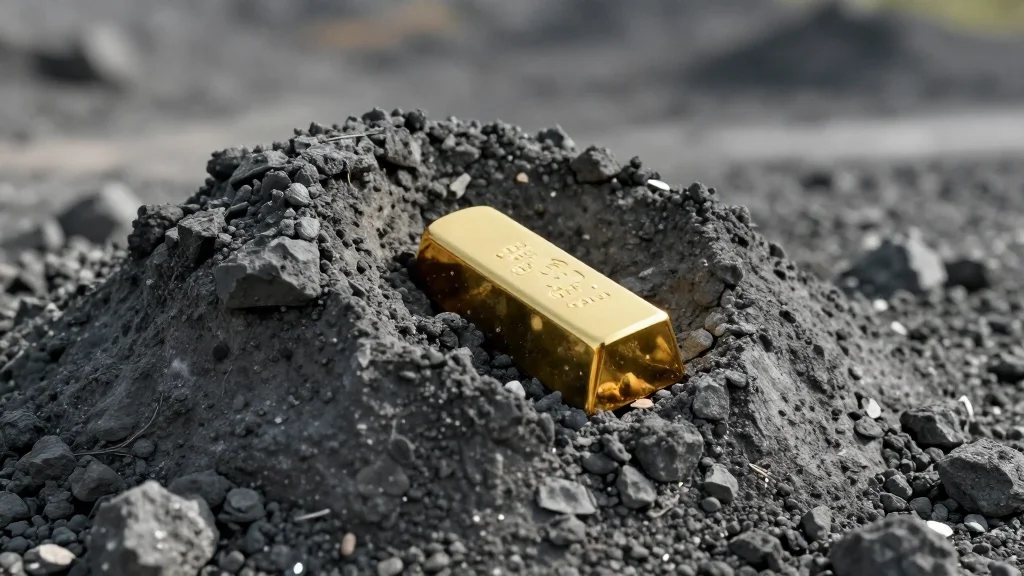
Transforming tailings from waste into a revenue‑generating asset can reduce environmental liabilities while bolstering critical mineral supply chains, fundamentally altering mining economics.
Key Takeaways
- •Declining ore grades push miners to re‑evaluate tailings as resource
- •Bioleaching and nanotech enable commercial extraction from legacy tailings
- •Economic viability hinges on site‑specific cost‑benefit analysis
- •Regulatory clarity on legacy sites accelerates project deployment
- •Integration challenges require modular, adaptable processing systems
Pulse Analysis
Mining companies are confronting a perfect storm: lower ore grades, stricter capital controls, and heightened demand for critical minerals essential to clean‑energy technologies. Historically, tailings—massive piles of waste rock and processed ore—have represented both an environmental liability and a missed economic opportunity. By re‑classifying these deposits as secondary ore bodies, firms can tap into untapped metal content while simultaneously addressing community and regulator concerns about land reclamation and water contamination. This paradigm shift aligns with broader ESG pressures and the need for domestic supply chains in North America.
Advances in extraction technologies are turning the tailings‑to‑asset concept into a viable business case. Bioleaching leverages microorganisms to dissolve metals at lower temperatures, reducing energy consumption compared with traditional smelting. Meanwhile, nanotechnology‑enhanced flotation agents improve selectivity, allowing higher recovery rates of rare earth elements and lithium. Modular processing units, designed for rapid deployment, enable miners to pilot projects on legacy sites without massive upfront capital. Early adopters in Canada and Australia report pilot‑scale recoveries that approach commercial thresholds, prompting investors to reassess the risk‑reward profile of tailings projects.
The commercial upside extends beyond revenue generation. Converting waste into product can lower overall mine operating costs, extend mine life, and improve a company’s ESG score—key criteria for institutional investors. However, success depends on clear regulatory frameworks that define ownership and permitting pathways for legacy sites. Governments that streamline approvals and offer incentives for innovative processing will likely attract the next wave of investment. As technology matures and economics improve, tailings redevelopment is poised to become a mainstream component of the mining value chain, reshaping industry dynamics over the coming decade.
New episode: Turning tailings into assets, Q&A with Canada’s MICA
Comments
Want to join the conversation?
Loading comments...