Why It Matters
The findings challenge the prevailing narrative that fossil fuels are a growth engine for Africa, urging policymakers and investors to prioritize clean energy for sustainable development and debt resilience.
Key Takeaways
- •Oil and gas have delivered minimal benefits to ordinary Africans
- •Fossil‑fuel projects risk stranded assets and rising sovereign debt
- •Renewables could generate up to 14 million jobs in Africa by 2030
- •Exporting crude while importing refined fuels inflates energy costs for citizens
Pulse Analysis
The report arrives amid a decade of African oil and gas expansion that has largely enriched multinational corporations and political elites while leaving ordinary citizens with limited employment and rising living costs. By examining production data from 13 countries, the study highlights how extraction has failed to translate into domestic industrial growth, instead fostering dependency on volatile global markets and exposing communities to pollution from spills and flaring. This critique adds a data‑driven voice to a growing chorus questioning the continent’s fossil‑fuel trajectory.
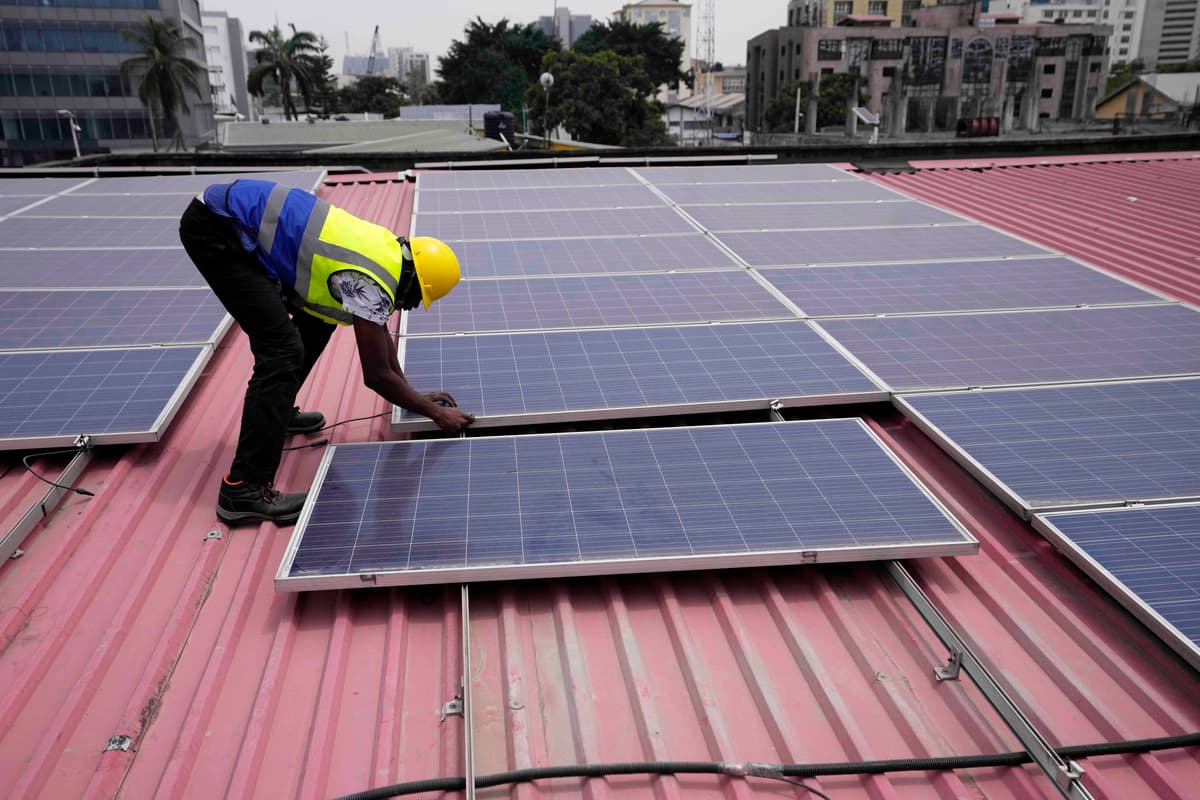
Economic implications are stark: new projects in Uganda, Mozambique, Namibia, Tanzania, the DRC and Côte d’Ivoire risk becoming stranded assets if global demand wanes, while financing such ventures adds to already high sovereign debt levels. The authors contrast this with a renewable‑energy pathway that could create up to 14 million jobs by 2030, boost local manufacturing, and keep value within African economies. By shifting from exporting raw crude to generating domestic power, nations could reduce import bills for refined fuels and improve energy security.
Policy relevance spikes as the report precedes the Africa‑France Summit, where heads of state and business leaders will discuss investment priorities. Advocates argue that aligning climate goals with economic development requires scaling homegrown solar, wind and storage projects, supported by transparent financing and regional cooperation. The analysis suggests that a coordinated pivot toward renewables could mitigate debt risks, foster energy democracy, and deliver the inclusive growth that oil and gas have consistently missed.
New report questions Africa’s oil and gas promise
Comments
Want to join the conversation?
Loading comments...