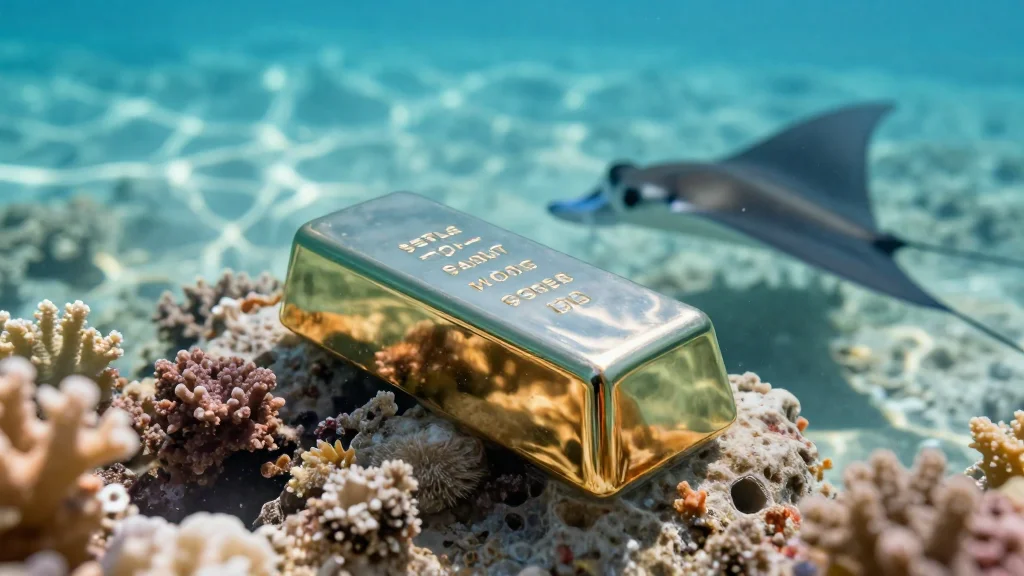
Nickel Mining Threatens Raja Ampat’s World‑Class Marine Sanctuary

Why It Matters
Raja Ampat’s marine park is a living laboratory for biodiversity, providing baseline data for climate‑resilient fisheries and tourism economies. Its degradation would not only diminish Indonesia’s natural heritage but also erode a model that other coastal nations look to for balancing conservation with development. Moreover, the dispute highlights a critical fault line in the global transition to clean energy: the need for nickel and other critical minerals must be met without sacrificing ecosystems that deliver carbon sequestration, coastal protection, and livelihoods. The outcome will influence policy frameworks for deep‑sea mining worldwide. A precedent that permits mining in a UNESCO‑designated geopark could embolden other resource‑rich nations to prioritize short‑term gains, while a decisive halt could reinforce stricter environmental standards for mineral extraction, shaping investment flows in the burgeoning green‑tech sector.
Key Takeaways
- •Indonesia approved new nickel concessions on three Raja Ampat islands in 2025.
- •Protected area covers 2 million hectares, 45% of reefs, with fish biomass up 109% since 2022.
- •2,007 reef mantas now documented in the sanctuary.
- •Indonesia holds roughly 43% of global nickel reserves, vital for EV batteries.
- •Four of five recent concessions were revoked after protests; one remains on Gag Island.
Pulse Analysis
The Raja Ampat showdown is a microcosm of the broader challenge facing resource‑dependent economies: how to supply the raw materials that power the green transition without eroding the natural capital that underpins long‑term prosperity. Historically, Indonesia’s mining sector has driven growth, but the shift toward high‑value, low‑impact tourism in Raja Ampat demonstrates an alternative development path. The 109% jump in fish biomass and the thriving manta population are tangible proof that protection can translate into economic returns, especially when entry fees and eco‑tourism are reinvested locally.
From an investment perspective, the lingering Gag Island concession introduces risk for both mining firms and ESG‑focused capital. Companies may face heightened scrutiny, potential litigation, and reputational damage if operations proceed without robust environmental safeguards. Conversely, investors in sustainable tourism and marine‑based services could see upside as the region’s brand as a pristine dive destination strengthens. The key question for financiers will be whether to back mining projects that promise immediate cash flow or to allocate capital toward preserving the ecosystem services that generate recurring revenue.
Looking ahead, policy makers will need to craft a clear framework that ties mineral licensing to strict environmental performance metrics, possibly leveraging the UNESCO geopark status as a compliance lever. If Indonesia can demonstrate a model where nickel extraction coexists with marine stewardship—through technologies like remote‑operated, low‑impact seabed mining or revenue‑sharing agreements— it could set a benchmark for other nations. Failure to do so, however, risks a repeat of past scenarios where short‑term extraction led to long‑term ecological and economic loss, undermining the very sustainability narrative that fuels the demand for the metals themselves.
Nickel Mining Threatens Raja Ampat’s World‑Class Marine Sanctuary
Comments
Want to join the conversation?
Loading comments...