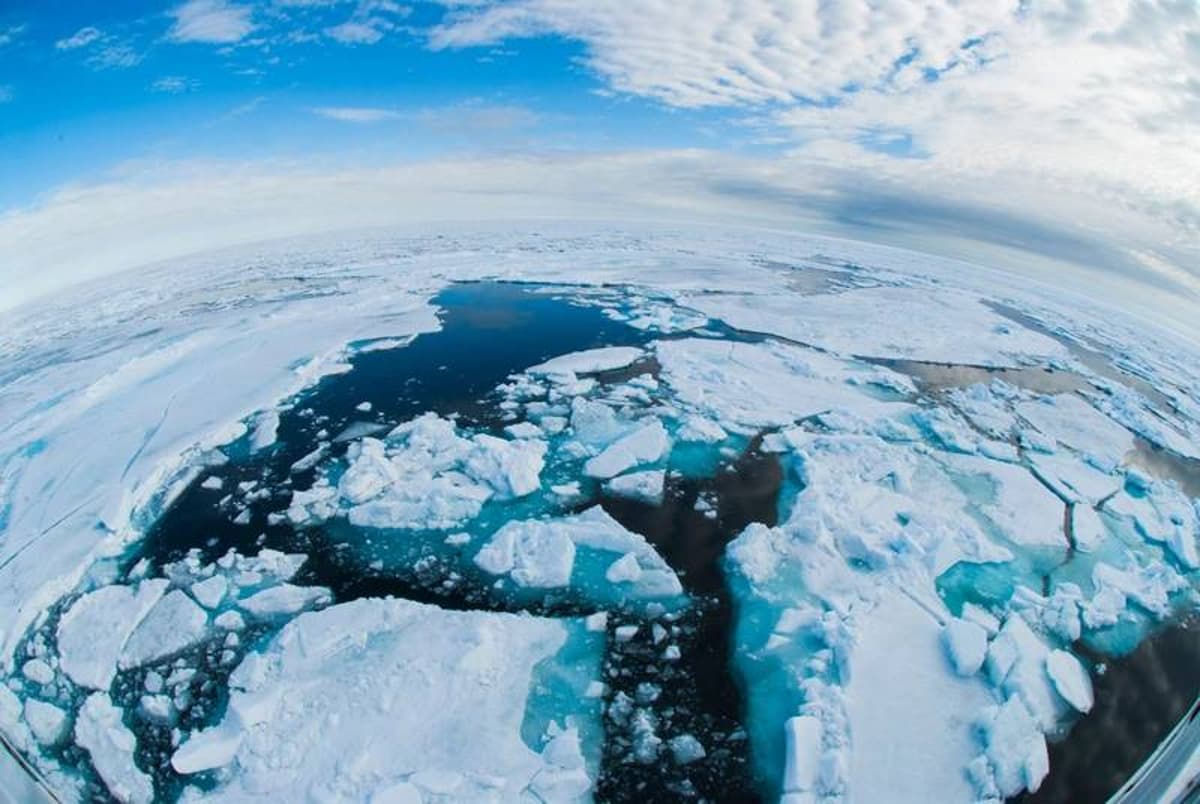
Nordic Investors to EU: Nix Notion of Arctic Drilling
Why It Matters
Maintaining the Arctic drilling ban protects fragile ecosystems while compelling Europe to pursue faster, cleaner energy solutions, reinforcing climate commitments amid geopolitical volatility.
Key Takeaways
- •Nordic investors push EU to keep Arctic drilling ban
- •Arctic projects need >10 years, not solving immediate energy crisis
- •Oil spill risk in Barents Sea exceeds 90% unrecoverable
- •Norway urges EU to lift moratorium, but pension funds oppose
- •EU review reflects tension between energy security and climate goals
Pulse Analysis
The Arctic region has become a flashpoint where climate ambition clashes with energy security concerns. Investors from the Nordics, led by Nordea Asset Management, are leveraging their capital clout to remind policymakers that the continent’s fragile ecosystems cannot be sacrificed for short‑term supply fixes. Their argument rests on hard data: new Arctic wells would not produce until the late 2030s, rendering them ineffective against today’s gas price spikes caused by the U.S.–Israeli conflict with Iran. By keeping the de‑facto moratorium, the EU can avoid locking in decades‑long carbon‑intensive assets while signaling to markets that climate risk remains a material factor in investment decisions.
Geopolitically, the debate reflects Europe’s reliance on external gas, particularly from Norway, which is not an EU member but supplies a substantial share of the bloc’s demand. Norway’s push to lift the Arctic ban stems from declining output in mature fields and a desire to secure future revenues. Yet even Norway’s largest pension fund, KLP, joined the investors’ letter, underscoring a growing consensus that ESG considerations outweigh short‑term supply anxieties. The European Commission’s ongoing review highlights the delicate balance between safeguarding energy supplies and honoring the Green Deal’s emissions targets, a tension that could reshape policy across the continent.
For the financial sector, the episode illustrates how ESG activism can influence regulatory outcomes. By framing Arctic drilling as a risk to both biodiversity and long‑term energy stability, investors are prompting a shift toward renewable and hydrogen projects that can be deployed within the current crisis timeline. This strategic pivot not only aligns with climate goals but also offers a hedge against volatile fossil‑fuel markets. As the EU’s decision looms, asset managers will likely calibrate portfolios to favor low‑carbon alternatives, reinforcing the market’s transition away from high‑risk, high‑delay projects like Arctic extraction.
Nordic Investors to EU: Nix Notion of Arctic Drilling
Comments
Want to join the conversation?
Loading comments...