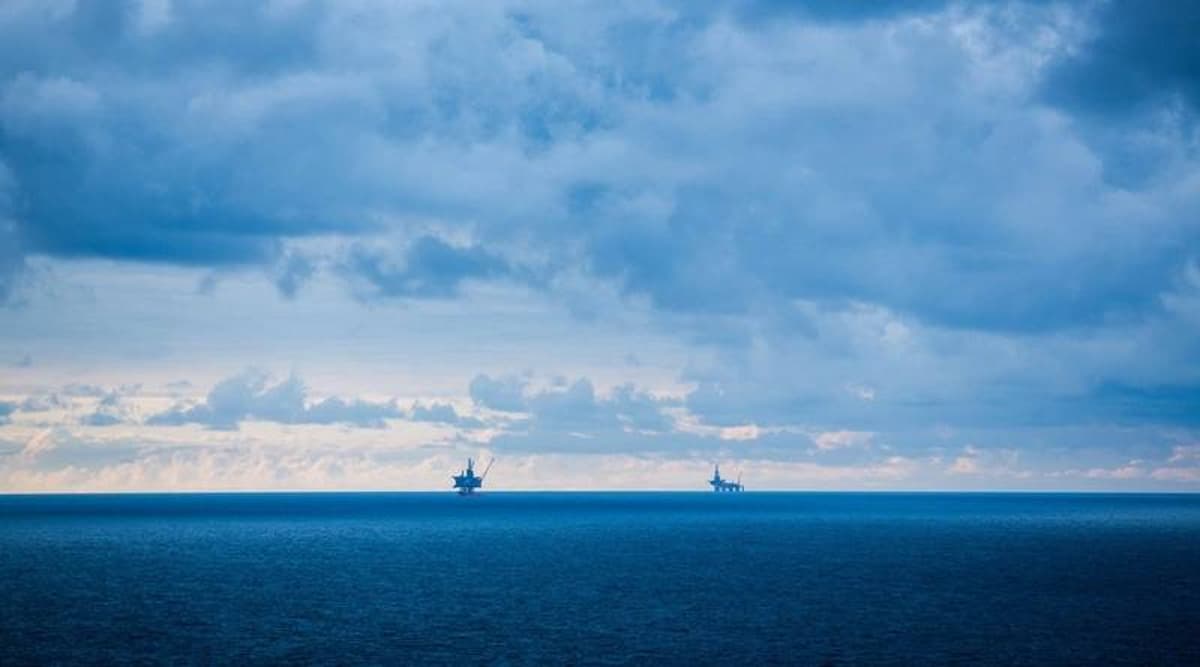
Norway Adds 70 Offshore Blocks in New Oil And Gas Licensing Round
Why It Matters
The expansion provides predictable access for operators, supporting Norway’s oil output and reinforcing Europe’s transition to secure energy supplies while sustaining high‑skill jobs.
Key Takeaways
- •Norway opens 70 new offshore blocks in APA 2026.
- •Blocks span North Sea, Norwegian Sea, Barents Sea.
- •Applications due Sept 1; awards expected early 2027.
- •Expansion aims to boost Europe’s energy security and jobs.
Pulse Analysis
Norway’s offshore licensing round, APA 2026, marks a strategic refresh of the country’s mature petroleum portfolio. By allocating 70 new blocks through the Awards in Predefined Areas framework, the government offers operators a transparent, pre‑defined bidding environment that reduces regulatory uncertainty. This approach builds on decades of successful exploration on the Norwegian continental shelf, where stable fiscal terms and robust infrastructure have attracted major international oil majors. The new acreage, covering the North Sea, Norwegian Sea and Barents Sea, extends the geographic scope of potential discoveries while leveraging existing pipelines and platforms.
For European energy markets, the timing of the APA 2026 round is significant. As the continent navigates a volatile transition away from coal and nuclear, reliable gas supplies remain a cornerstone of energy security. Norway, already a leading natural‑gas exporter to the EU, can augment its output by unlocking additional reserves in the Barents Sea, a region noted for its large, low‑cost gas fields. The predictable licensing schedule—applications due September 1 and awards in early 2027—provides investors with a clear timeline, encouraging capital deployment at a moment when financing for new oil projects is increasingly scrutinized.
Looking ahead, the success of APA 2026 will hinge on balancing economic ambitions with mounting environmental expectations. While the Norwegian government emphasizes job creation and welfare benefits, it also faces pressure to align new exploration with climate goals and the EU’s Green Deal. Companies that can integrate carbon‑capture technologies or demonstrate low‑emission development plans are likely to gain a competitive edge. Ultimately, the 70‑block expansion could reinforce Norway’s role as a stable energy supplier, but its long‑term impact will depend on how quickly the sector adapts to a decarbonizing global market.
Norway Adds 70 Offshore Blocks in New Oil And Gas Licensing Round
Comments
Want to join the conversation?
Loading comments...