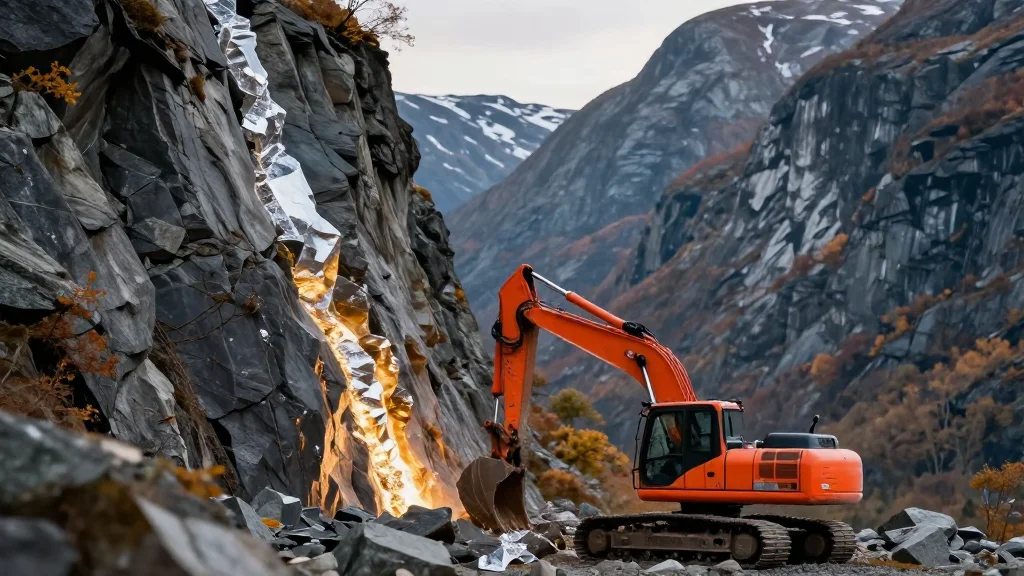
Norway Takes State Control of Fens Rare‑Earth Deposit Planning, Boosting Domestic Neodymium Supply

Why It Matters
Securing a domestic source of neodymium directly addresses Europe’s strategic vulnerability in the high‑tech and defense sectors, where supply disruptions could impair everything from electric‑vehicle production to missile guidance systems. By centralizing planning, Norway aims to reduce bureaucratic delays that have historically hampered large‑scale mining projects, thereby accelerating the timeline for bringing rare‑earth output to market. The decision also signals a shift in how European governments may intervene in critical‑minerals projects, balancing environmental stewardship with geopolitical imperatives. Successful development of the Fens deposit could set a precedent for state‑backed mining initiatives across the continent, encouraging further investment in rare‑earth extraction and processing infrastructure.
Key Takeaways
- •Norway’s central government assumes planning for the Fens deposit, Europe’s largest documented rare‑earth occurrence.
- •The deposit contains significant neodymium, a metal vital for magnets in electronics and defense.
- •Municipality of Nome requested state takeover to avoid land‑use conflicts and ensure national coordination.
- •Industry Minister Cecilie Myrseth and Regional Development Minister Bjornar Skjaeran highlighted strategic importance.
- •Planning approval expected within 12‑18 months, with potential to reshape Europe’s rare‑earth supply chain.
Pulse Analysis
The Norwegian takeover reflects a pragmatic response to a supply‑chain bottleneck that has plagued Europe for years. By moving the permitting process to the national level, the government reduces the risk of fragmented local opposition that can stall projects for decades. This approach mirrors similar moves in the United States, where federal agencies have stepped in to fast‑track critical‑minerals projects under the Inflation Reduction Act.
From a market perspective, the Fens deposit could become a price anchor for neodymium in Europe, reducing the premium that European buyers currently pay for Chinese‑sourced material. If the state can deliver a clear, predictable regulatory path, private capital—especially from battery and wind‑turbine manufacturers—will likely flow into the project, potentially unlocking billions in downstream investment. However, the environmental dimension cannot be ignored; Norway’s reputation for sustainable resource management will be tested, and any misstep could reignite public opposition and delay the project.
Looking ahead, the Fens case may catalyze a broader policy shift within the EU, encouraging member states to adopt more centralized, strategic frameworks for critical mineral development. Such a trend could accelerate the continent’s transition to green technologies, but it will also require robust oversight to balance economic goals with ecological and community concerns.
Norway Takes State Control of Fens Rare‑Earth Deposit Planning, Boosting Domestic Neodymium Supply
Comments
Want to join the conversation?
Loading comments...