Why It Matters
The outcome will shape U.S. strategic mineral supply chains and set a precedent for how federal resource projects respect Indigenous rights and marine conservation in vulnerable island economies.
Key Takeaways
- •US pushes deep‑sea mining in Pacific territories
- •Islanders fear irreversible ecosystem damage and cultural loss
- •Federal agencies fast‑track leases despite limited local consultation
- •Companies claim low‑impact tech, but scientists warn sediment plumes
- •Economic promises clash with sovereignty and environmental concerns
Pulse Analysis
Deep‑sea mining has become a geopolitical priority for the United States, aiming to secure a domestic supply of battery‑grade minerals and reduce reliance on China. By designating vast swaths of the ocean floor off the Northern Mariana Islands, Guam and American Samoa for exploration, the administration is leveraging executive authority to fast‑track permits through NOAA and BOEM. This strategy underscores a broader shift toward offshore resource extraction, yet it also sidesteps the United Nations‑led International Seabed Authority process, raising questions about the legitimacy of unilateral U.S. actions in international waters.
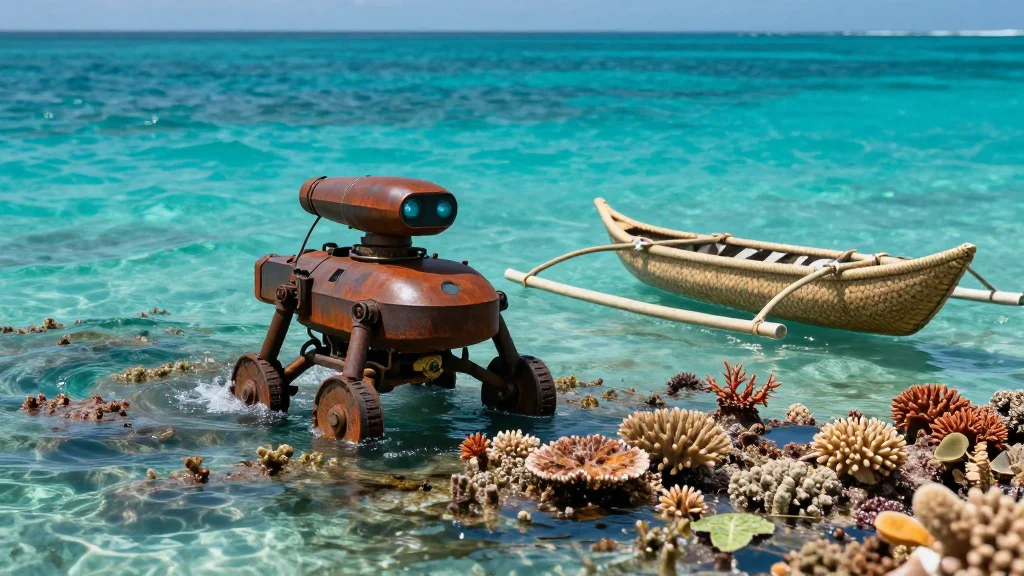
For the island communities, the stakes are both ecological and cultural. Seamounts targeted for mining host dense, unique habitats that support fisheries and traditional food sources such as palolo worms and akule fish. Scientists warn that disturbance from robotic collectors could generate sediment plumes that travel far beyond the extraction site, contaminating the food chain and jeopardizing livelihoods. Indigenous Chamorro and Samoan peoples view the ocean as an integral part of identity, not a commodity, and the lack of free, prior, and informed consent fuels resentment rooted in a history of external exploitation.
Economic incentives offered by firms—such as a modest profit‑sharing arrangement—are insufficient to offset the perceived risks. Local leaders argue that any short‑term revenue must be weighed against potential long‑term damage to marine ecosystems and cultural heritage. Ongoing National Academies studies aim to fill data gaps, but until robust, community‑driven assessments are completed, the tension between strategic mineral security and environmental justice is likely to intensify, shaping future policy debates on offshore mining worldwide.
Pacific islands resist Trump’s push to mine their ocean
Comments
Want to join the conversation?
Loading comments...