Panellists Emphasise Importance of Policy Implementation for Effective Tailings Management, ...
Why It Matters
Delays in applying existing policies impede safe tailings closure and land restoration, raising environmental and financial risks for the mining industry. Accelerating implementation and leveraging technology can boost regulatory certainty and attract sustainable investment in South Africa’s mineral sector.
Key Takeaways
- •Closure certificates identified as critical bottleneck for tailings projects
- •Regulatory frameworks praised, but implementation delays hinder progress
- •Digital cadastre rollout aims to reduce application backlogs and improve data
- •Technology advances like seed tech and remote sensing support land rehabilitation
- •Industry calls for faster authorisations and pragmatic regulator engagement
Pulse Analysis
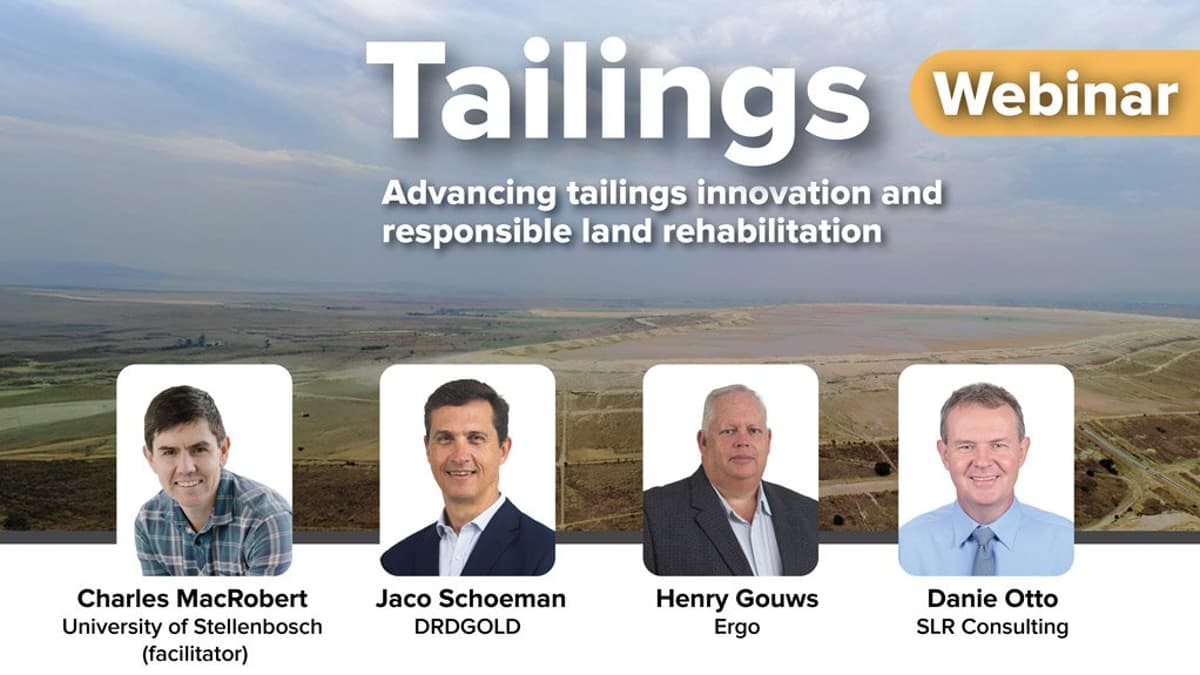
South Africa’s mining landscape is at a crossroads where stringent tailings regulations exist, yet the pace of implementation lags behind global best practices. The recent Tailings webinar underscored that while policies are praised for their rigor, the Department of Mineral and Petroleum Resources struggles with limited staff and outdated technology, creating bottlenecks in granting closure certificates and other essential permits. This gap not only stalls project timelines but also elevates environmental liability, prompting investors to scrutinise compliance risk more closely.
To address procedural delays, the government has launched a digital cadastre system, replacing the legacy Mineral Resources Administration System first introduced in 2011. The new platform promises real‑time geospatial data, streamlined mining‑right applications, and a reduction in legal disputes over ownership claims. Early adoption indicates faster processing times, yet the transition has been hampered by years of development and lingering legal challenges. By modernising data management, the cadastre aims to provide clearer regulatory certainty, which could accelerate closure planning and improve stakeholder confidence.
Beyond administrative reforms, technological innovation is emerging as a catalyst for sustainable post‑mining land use. Advances in seed technology, hyper‑accumulation plants, and remote‑sensing analytics enable more effective rehabilitation of tailings storage facilities and surrounding ecosystems. These tools not only mitigate environmental impact but also open avenues for productive land repurposing, such as agriculture or renewable energy projects. For mining companies, integrating such technologies can lower long‑term closure costs and enhance ESG credentials, positioning South Africa’s mineral sector for greener growth and broader investor appeal.
Panellists emphasise importance of policy implementation for effective tailings management, ...
Comments
Want to join the conversation?
Loading comments...