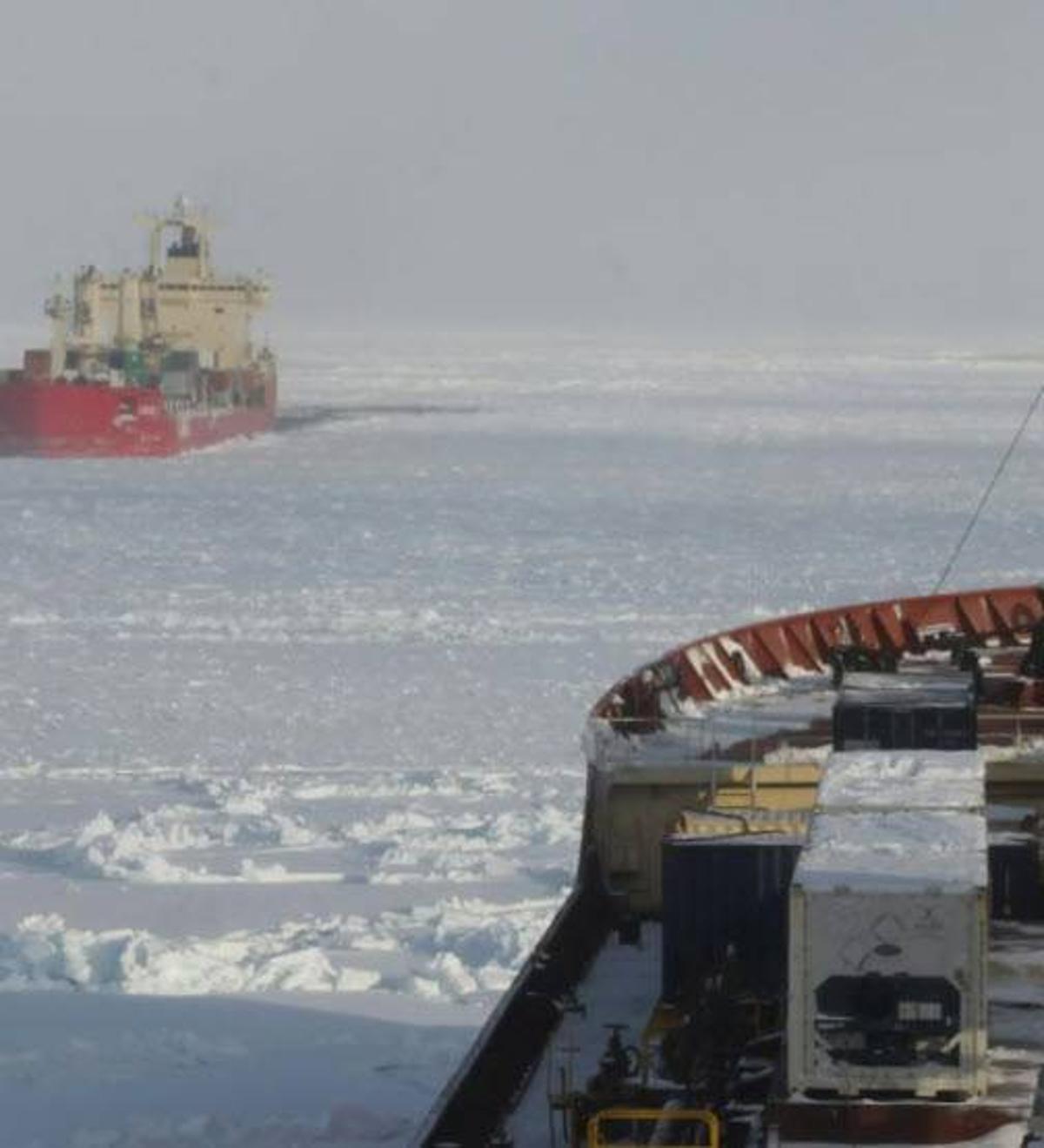
Partners Study Year-Round Shipping From Canada’s Churchill Port
•February 22, 2026
0
Why It Matters
Year‑round access to Churchill could unlock a new Arctic trade route, boosting regional economies and diversifying North American supply chains. Successful feasibility insights will shape investment decisions and policy discussions across the shipping and energy sectors.
Key Takeaways
- •AGG and Fednav launch feasibility study for year-round shipping
- •Study targets ice conditions, navigation constraints, required investments
- •Completion expected by summer 2024, informing long-term planning
- •Indigenous, regulatory, environmental reviews remain separate processes
- •Complementary to broader Hudson Bay research and conservation initiatives
Pulse Analysis
The Port of Churchill, once a seasonal gateway on the Canadian Arctic coast, is attracting renewed interest as climate trends gradually reduce ice cover in Hudson Bay. By partnering with Fednav, a firm that has operated Arctic vessels for decades, Arctic Gateway Group is positioning itself to capitalize on a potential shift toward continuous maritime traffic. The study’s focus on historical ice data and navigation constraints aims to quantify the capital outlay required for ice‑class vessels, icebreaker support, and port infrastructure upgrades, providing a data‑driven foundation for investors and policymakers.
Operational feasibility is only one piece of the puzzle. Fednav’s in‑house ice specialists will model seasonal ice thickness, drift patterns, and the frequency of extreme events to determine realistic shipping windows. Their analysis will inform decisions on whether retrofitting existing fleets or commissioning new ice‑reinforced ships offers the best return on investment. Moreover, the study will highlight ancillary needs such as on‑shore support services, fuel supply logistics, and emergency response capabilities, all of which are critical for sustaining year‑round operations in a remote environment.
Beyond engineering challenges, the initiative must navigate a complex web of Indigenous rights, environmental stewardship, and regulatory frameworks. Ongoing research by the Arctic Research Foundation and Parks Canada underscores the importance of integrating marine conservation goals with commercial ambitions. By conducting its feasibility work now, AGG signals a commitment to collaborative planning, ensuring that any future expansion aligns with community interests and ecological safeguards. The outcome will shape not only the economic trajectory of Churchill but also the broader narrative of Arctic trade development.
Partners Study Year-Round Shipping from Canada’s Churchill Port
0
Comments
Want to join the conversation?
Loading comments...