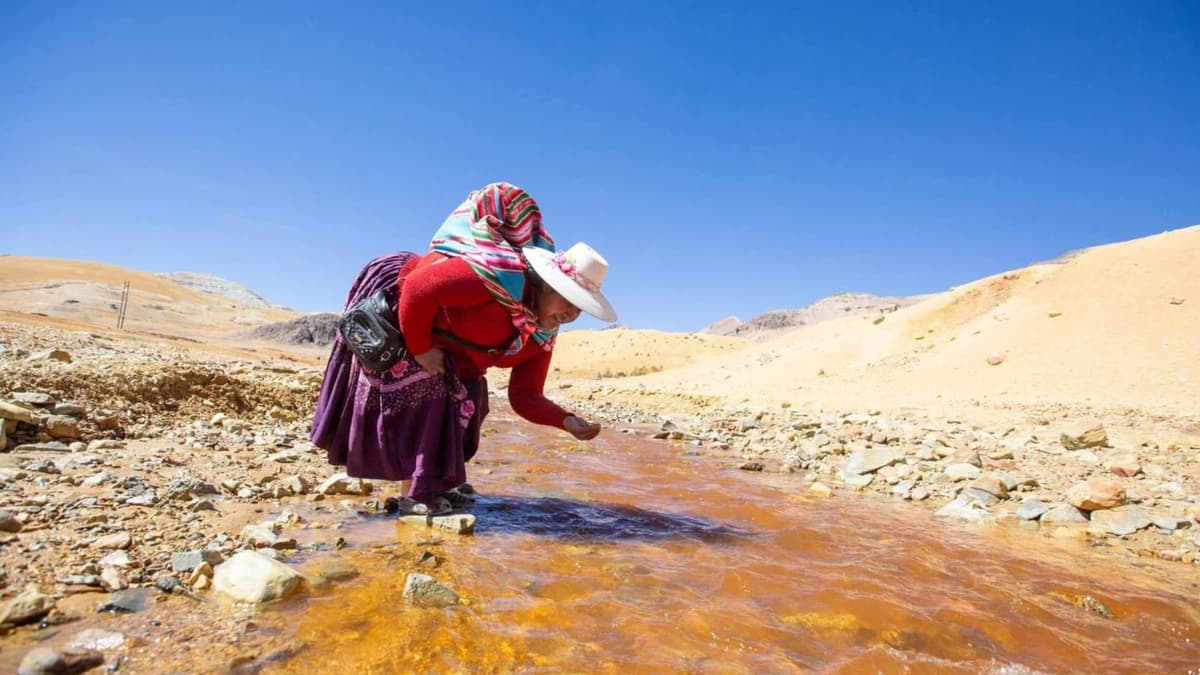
Peru’s Quellaveco Mine Tied to Water Scarcity, Contamination, Investigation Finds
Why It Matters
The controversy highlights the clash between Peru’s push for copper to fuel the global energy transition and the need to protect water security and public health, putting pressure on Anglo American’s ESG credentials and on regulators overseeing mining concessions.
Key Takeaways
- •Quellaveco's water use has sparked scarcity for local farms
- •Tests show arsenic, mercury, lead above safe limits in rivers
- •Anglo American claims compliance, but independent groups dispute findings
- •River diversion eliminated ~7 km of freshwater habitat, threatening species
- •Community calls for stricter monitoring and precautionary legal action
Pulse Analysis
Copper demand is soaring as renewable‑energy projects require the metal for wind‑turbine generators, solar‑panel wiring and electric‑vehicle batteries. Peru, the world’s second‑largest copper producer, has welcomed large‑scale projects like Quellaveco to capture this market, promising jobs and fiscal revenue. Yet the Quellaveco case underscores a growing tension: the same resource that powers the green transition can strain fragile Andean water basins, especially when open‑pit operations consume millions of cubic meters of water for ore processing and dust suppression.
The Red Muqui investigation adds a layer of environmental urgency by documenting elevated concentrations of arsenic, mercury, lead and copper in the Asana River, a primary source of drinking water for nearby communities. While Anglo American cites compliance with Peruvian standards, independent testing suggests exceedances that could jeopardize human health and agricultural productivity. Moreover, the diversion of a 7‑kilometer river segment has reduced freshwater habitat, endangering species such as the Peru water frog and the lesser grison, which were omitted from the original impact assessments. These findings raise questions about the adequacy of Peru’s environmental permitting process, which took two decades to finalize but may still lack robust, long‑term monitoring.
For investors and policymakers, the Quellaveco controversy serves as a cautionary tale about ESG risk in the mining sector. Companies that rely on copper to meet climate‑friendly narratives must demonstrate transparent, science‑based stewardship of water and biodiversity to maintain social license. Regulators, meanwhile, face pressure to enforce the precautionary principle, ensuring that mining concessions do not infringe on the human right to water. As the global energy transition accelerates, the balance between resource extraction and environmental protection will become a decisive factor in the valuation and sustainability of mining assets.
Peru’s Quellaveco mine tied to water scarcity, contamination, investigation finds
Comments
Want to join the conversation?
Loading comments...