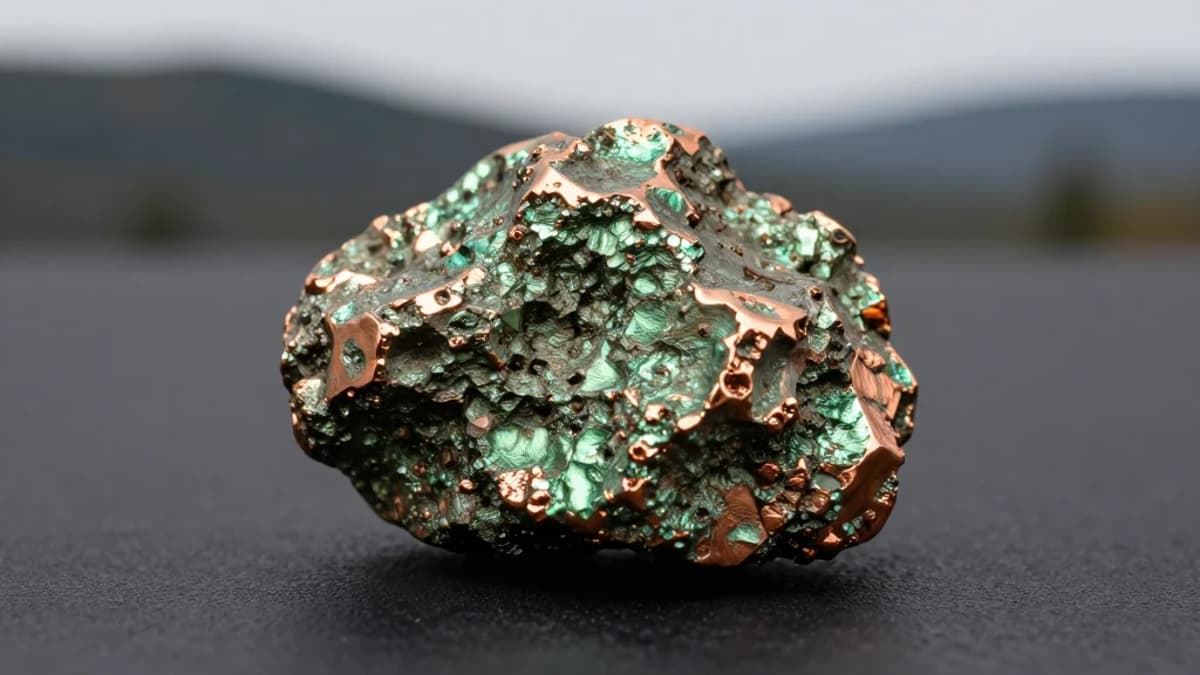
Power Metallic Mines Extends Lion Zones with Sulphide Intercepts at Nisk Project, Quebec
•March 3, 2026
0
Why It Matters
The extensions validate a new structural vector toward a potentially large Ni‑Cu‑PGE deposit, boosting Power Metallic's resource upside and positioning the Nisk‑Lion system as a future Canadian polymetallic mine.
Key Takeaways
- •Easterly plunge trend extends high‑grade copper mineralization
- •Hole PML‑26‑067 hit massive copper sulphides at 50 m depth
- •New Ni‑Pd‑Cu sulphide intersected in UM zone, 2.42% Ni
- •Regional drilling identified 34.6 g/t gold over 1.5 m
- •Multiple VMS‑style sulphide zones discovered across 330 km² property
Pulse Analysis
The latest drill campaign at Power Metallic's Nisk Project underscores the importance of structural controls in discovering high‑grade polymetallic zones. By pinpointing a shallow easterly‑plunging trend within the Lion zone, the company has demonstrated that mineralization can extend well beyond historic boundaries. This discovery not only adds copper mass but also aligns with the broader Ni‑Cu‑PGE system that underpins the Sudbury‑style metallogeny of the region, suggesting a sizable, yet untapped, ore body could be delineated with further targeted drilling.
Beyond copper, the UM zone intersected a massive sulphide lens containing 2.42% nickel and 1.83 g/t palladium, echoing the mineral assemblages seen in world‑class deposits such as the nearby Tiger and Lion targets. The presence of nickel‑rich, palladium‑bearing sulphides indicates a robust ultramafic source, while the concurrent discovery of a 34.6 g/t gold interval adds a precious‑metal dimension that could enhance project economics. These multi‑metal intersections reinforce Power Metallic's strategy of pursuing a diversified, high‑value commodity basket rather than a single‑metal focus.
Regionally, the company’s 330 km² footprint remains largely under‑explored, with only 16 holes drilled to date. The recent identification of VMS‑style sulphide signatures, anomalous arsenic and tungsten pathfinders, and a broad suite of EM conductors points to a complex, multi‑system environment ripe for discovery. As Power Metallic scales up its drilling density, the integration of geophysical, structural, and geochemical data will be critical to converting these scattered hits into a coherent resource model, potentially delivering one of Canada’s next major polymetallic mines.
Power Metallic Mines extends Lion zones with sulphide intercepts at Nisk Project, Quebec
0
Comments
Want to join the conversation?
Loading comments...