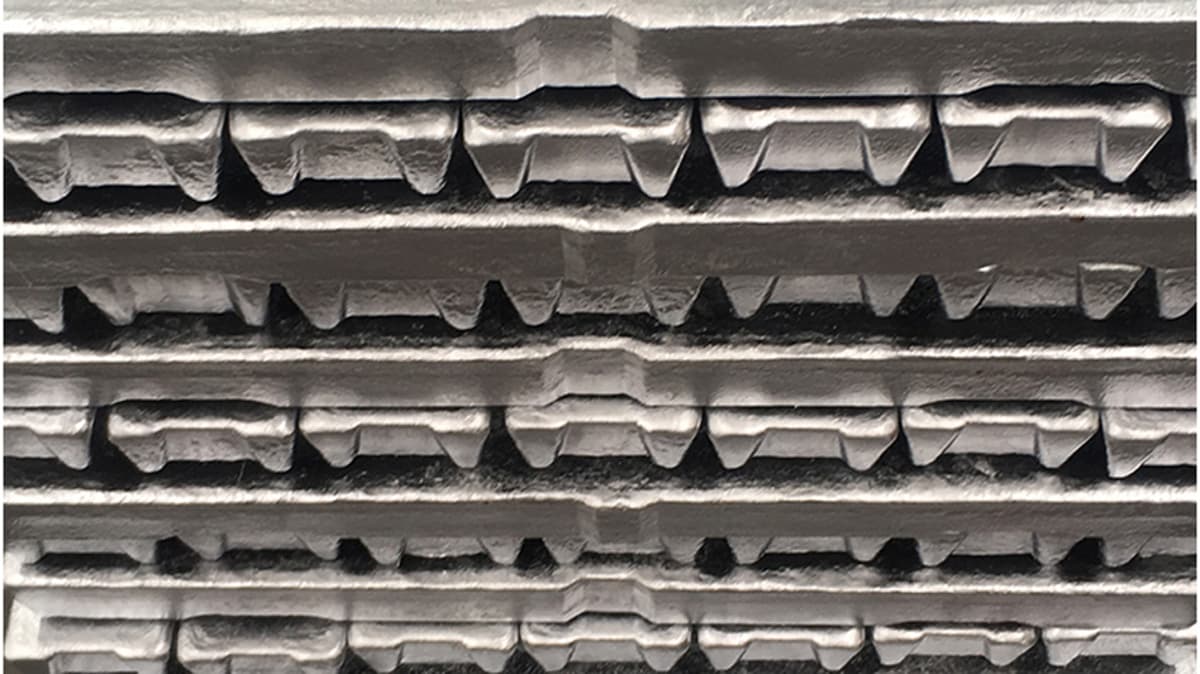
Primary Aluminum Competing with Scrap in Asia
Why It Matters
The shift threatens traditional scrap‑based recycling economics and raises compliance risks for secondary producers relying on transparent material provenance. It also signals a potential restructuring of aluminum supply chains in the region.
Key Takeaways
- •Chinese aluminum wire exports jumped 166% YoY in April
- •South Korea bought 2,911 metric tons of Chinese wire in April
- •Vietnam’s imports rose 5x month‑on‑month, 30x year‑to‑date
- •Traders warn of misleading origin and recycled‑content claims
Pulse Analysis
The tightening of aluminum scrap supplies in Asia has forced secondary melt‑shop operators to look beyond conventional feedstock. Historically, scrap from Europe and North America has underpinned the region’s recycling volumes, but price spikes and logistical bottlenecks have eroded its viability. Primary aluminum producers in China, many operating with excess capacity, have repurposed their output into wire form—a product that can be melted down similarly to scrap but carries a lower price premium. This innovation offers a stopgap for manufacturers facing material shortages while leveraging China’s established production infrastructure.
Trade statistics released by the AL Circle platform illustrate the rapid adoption of this workaround. In April, Chinese aluminum wire exports surged 166% year‑on‑year, with South Korea emerging as the largest buyer at 2,911 metric tons, followed closely by Vietnam’s 2,288 metric tons—a five‑fold month‑on‑month increase. These volumes represent a material shift in the regional aluminum supply chain, as secondary billet producers substitute wire for traditional scrap to maintain output. However, the practice introduces ambiguity around the metal’s origin and recycled‑content claims, prompting some traders to flag potential mislabeling and regulatory exposure.
The broader implications for the recycling ecosystem are significant. If primary‑derived wire becomes a mainstream substitute, the demand for genuine scrap could diminish, weakening incentives for collection and processing infrastructure. Moreover, the blurred provenance may trigger scrutiny from customs authorities and sustainability certification bodies, which rely on clear material pathways to verify recycled content. Industry stakeholders will need to balance short‑term cost relief against long‑term transparency and compliance, while policymakers may consider guidelines to ensure that the emergence of primary‑aluminum wire does not undermine the credibility of the circular economy.
Primary aluminum competing with scrap in Asia
Comments
Want to join the conversation?
Loading comments...