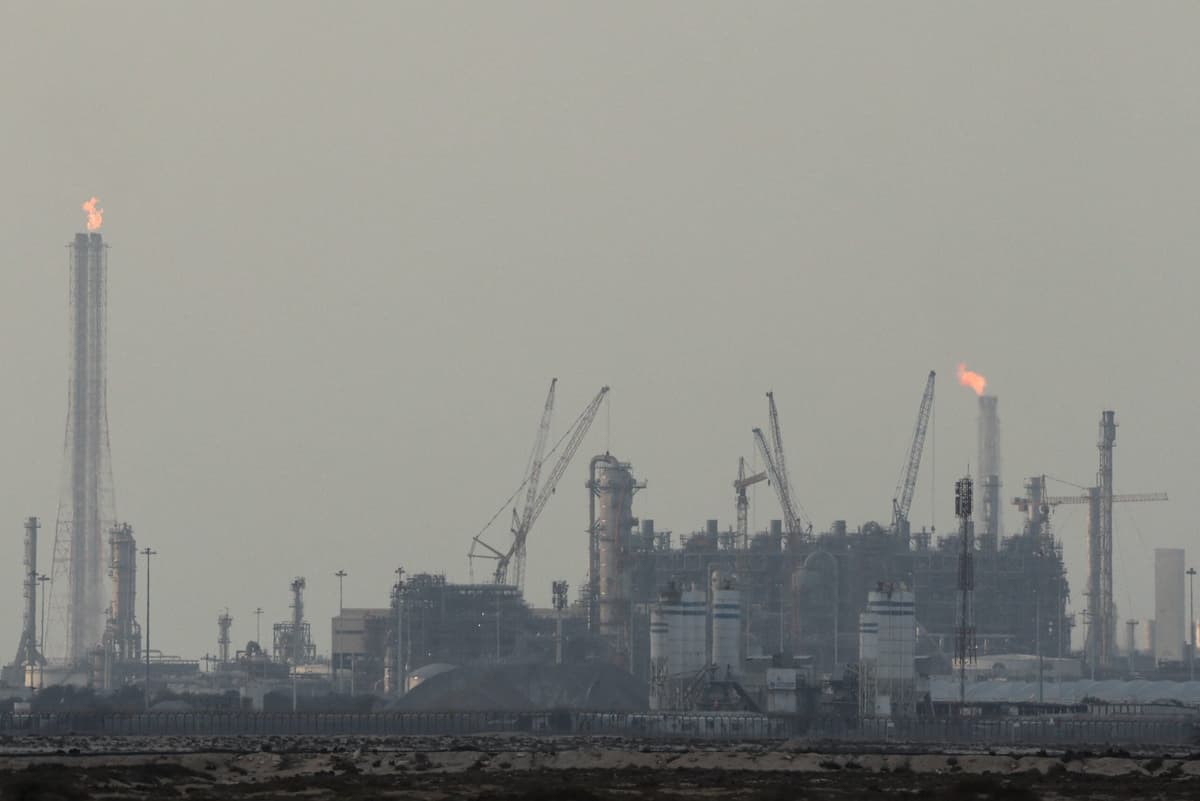
Qatar LNG Shutdown Sends Global Gas Markets Into Turmoil
•March 4, 2026
0
Why It Matters
The outage exposes the fragility of global gas supplies to geopolitical shocks, driving price volatility and prompting buyers to reassess risk‑hedging strategies across Europe and Asia.
Key Takeaways
- •Qatar supplies 20% of world LNG.
- •Force majeure announced amid US‑Israeli Iran conflict.
- •Shutdown expected minimum two weeks, full restart four weeks.
- •European and Asian LNG prices hit multi‑year highs.
- •Strait of Hormuz bottleneck amplifies supply disruption.
Pulse Analysis
Qatar’s sudden LNG shutdown underscores the strategic importance of the Gulf’s energy infrastructure. As the world’s largest single‑source exporter, Qatar accounts for a fifth of global LNG flows, feeding Europe’s winter demand and Asia’s growing power needs. The force majeure declaration, triggered by heightened tensions in the Strait of Hormuz, illustrates how regional conflicts can instantly ripple through global commodity markets, forcing traders to scramble for alternative cargoes and driving freight rates to unprecedented levels.
The immediate market reaction has been stark: spot LNG prices in Europe have surged past $30 per million British thermal units, while Asian contracts have breached $25/MMBtu, levels not seen since the 2021 supply crunch. Freight premiums for tankers navigating the Hormuz corridor have also spiked, widening the cost gap between Atlantic‑sourced and Pacific‑sourced gas. This price divergence intensifies competition between the two basins, prompting European buyers to consider longer‑haul Pacific cargoes despite higher shipping costs, while Asian importers seek to lock in Atlantic supplies to hedge against further Gulf disruptions.
Long‑term, the incident may accelerate diversification efforts across the LNG value chain. Countries heavily reliant on Qatari cargoes are likely to fast‑track contracts with emerging exporters such as Mozambique, the United States, and Russia, while investors may prioritize projects that reduce chokepoint exposure, including inland regasification terminals and floating storage solutions. The episode also reinforces the need for robust risk‑management frameworks that incorporate geopolitical scenario planning, ensuring that utilities and industrial consumers can maintain supply continuity amid volatile geopolitical landscapes.
Qatar LNG Shutdown Sends Global Gas Markets Into Turmoil
0
Comments
Want to join the conversation?
Loading comments...