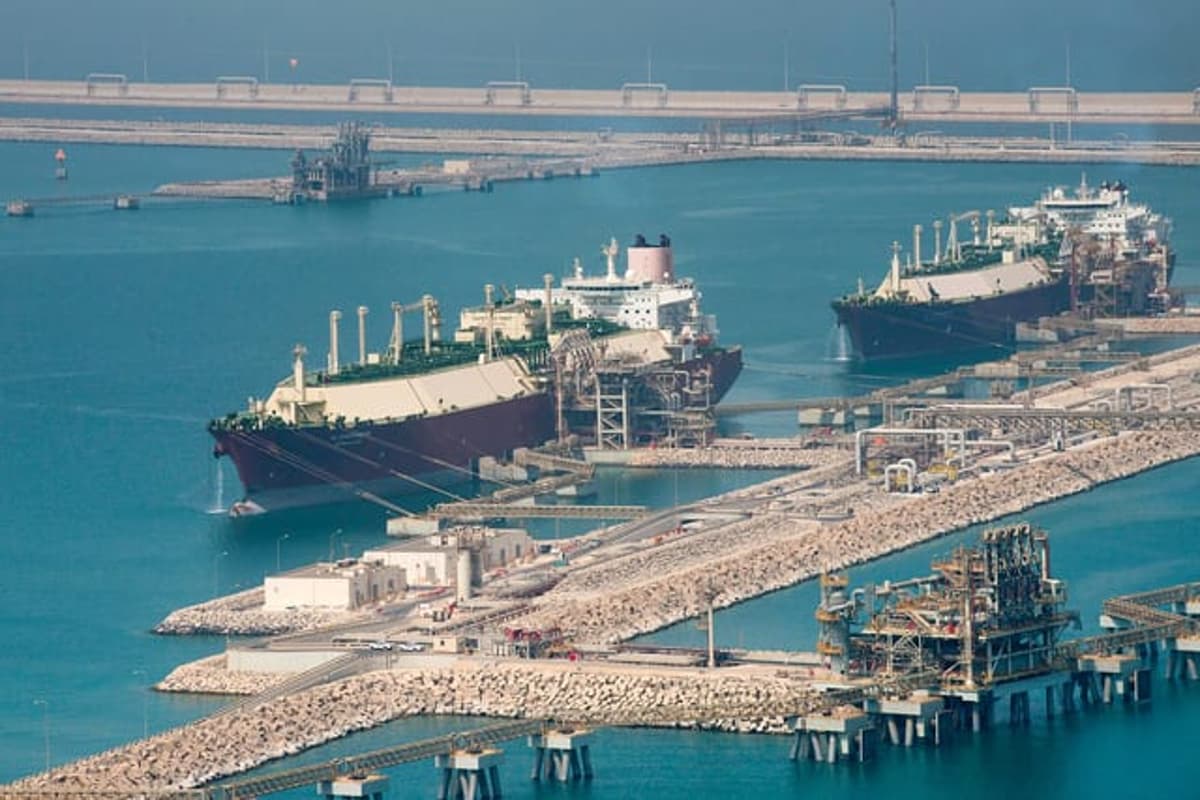
QatarEnergy Ready to Restart LNG Output, Reach Current Capacity in One Month, Source Says
Companies Mentioned
Why It Matters
Restoring Qatar’s LNG output quickly stabilizes global gas markets, while shipping constraints highlight geopolitical risk to energy supply chains.
Key Takeaways
- •QatarEnergy can restore undamaged LNG trains to full capacity in 30 days
- •Iranian strikes disabled 2 LNG trains and 1 GTL, 17% capacity loss
- •Strait of Hormuz remains logistical choke point for LNG shipments
- •Only ~12 LNG tankers have crossed since war began in February
- •Safety and mine‑clearance issues could delay full shipping recovery
Pulse Analysis
The rapid restart of QatarEnergy’s Ras Laffan LNG facility underscores the company’s operational resilience amid geopolitical turbulence. While two of the 14 LNG trains and a gas‑to‑liquids unit suffered damage that will take years to repair, the remaining infrastructure can be brought back online swiftly. This capability is crucial because Qatar supplies roughly 30% of global LNG, and any prolonged shortfall would reverberate through energy‑intensive economies, pushing spot prices higher and prompting buyers to seek alternative sources.
However, production alone does not guarantee market stability; the real hurdle now lies in the logistics of moving the gas to market. The Strait of Hormuz, a narrow waterway that handles a significant share of world oil and LNG shipments, remains effectively closed after the Iran‑U.S. conflict escalated in February. With only a dozen tankers having cleared the strait, shippers face uncertainty over vessel safety, mine clearance, and insurance costs. This bottleneck could delay the return of full export volumes for weeks, even if the plants are ready to load.
For investors and industry stakeholders, the situation highlights the intertwined nature of production capacity and geopolitical risk. Qatar’s ability to quickly ramp up output mitigates some supply concerns, but the lingering shipping constraints remind markets that geopolitical events can swiftly translate into logistical challenges. Monitoring diplomatic progress on the U.S.-Iran framework agreement and the pace of de‑mining operations will be essential for forecasting LNG price movements and assessing the resilience of the global gas supply chain.
QatarEnergy Ready to Restart LNG Output, Reach Current Capacity in One Month, Source Says
Comments
Want to join the conversation?
Loading comments...