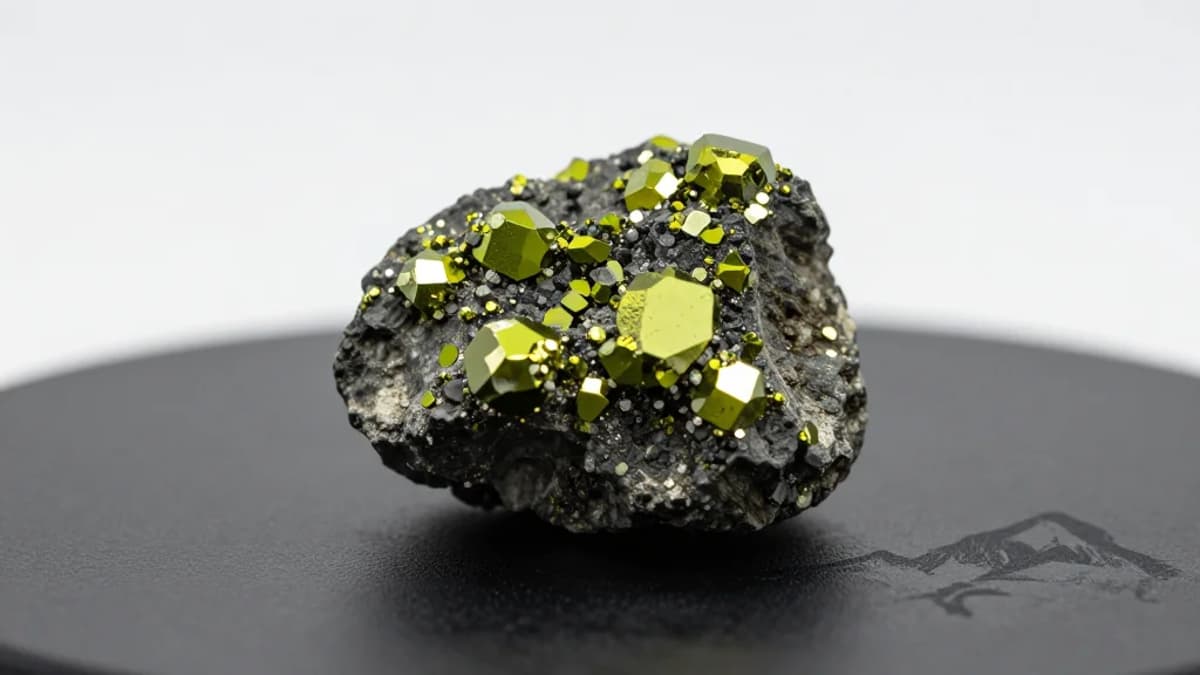
Why It Matters
The expanded resource gives Europe a tangible path to cut its heavy reliance on Chinese rare‑earth supplies, reinforcing defence and green‑technology supply chains. It directly supports the EU’s ResourceEU agenda for strategic mineral autonomy.
Key Takeaways
- •Fen resources now 15.9 Mt, 81% increase
- •Surpasses Sweden’s Per Geijer deposit size
- •Contains 19% NdPr oxides for high‑performance magnets
- •Production slated for late 2031, 800 t NdPr/year
- •Supports EU goal of rare‑earth independence
Pulse Analysis
Europe’s rare‑earth landscape has long been defined by import dependence, with 95% of the bloc’s supply in 2024 sourced from China, Malaysia and Russia. This reliance creates strategic vulnerabilities for sectors ranging from defence—where rare‑earths power advanced sensors and precision motors—to renewable energy, where they are essential for high‑efficiency magnets in wind turbines and electric vehicles. The EU’s ResourceEU action plan, adopted in late 2025, seeks to accelerate domestic extraction, refining and recycling, but progress has been hampered by permitting bottlenecks and limited project pipelines.
The Fen deposit in Norway now stands out as a potential game‑changer. At 15.9 million tonnes of indicated and inferred resources, it dwarfs the previously largest European deposit, Sweden’s Per Geijer, by a factor of seven. Its ore body is notable for a 19% concentration of neodymium‑praseodymium oxides, the key inputs for high‑performance permanent magnets, and also hosts niobium and thorium, adding further value. By linking mining directly to magnet production—a “mine‑to‑magnet” value chain—Fen could shorten supply routes, lower costs, and reduce the EU’s exposure to external geopolitical pressures.
If Fen reaches its projected 2031 start‑up and delivers 800 tonnes of NdPr annually, it would cover roughly five percent of the EU’s current demand, a modest yet strategic foothold. Beyond the immediate output, the project could catalyze ancillary infrastructure, such as refining facilities and recycling hubs, fostering a resilient rare‑earth ecosystem. However, the path forward is not without hurdles: securing operating permits, attracting capital, and ensuring environmental compliance will be critical. Successful execution would not only bolster Europe’s industrial security but also signal to investors that the continent can host world‑class critical mineral projects, accelerating the transition to a more self‑sufficient, green economy.
Rare Earths Norway says Fen resource 81% larger
0
Comments
Want to join the conversation?
Loading comments...