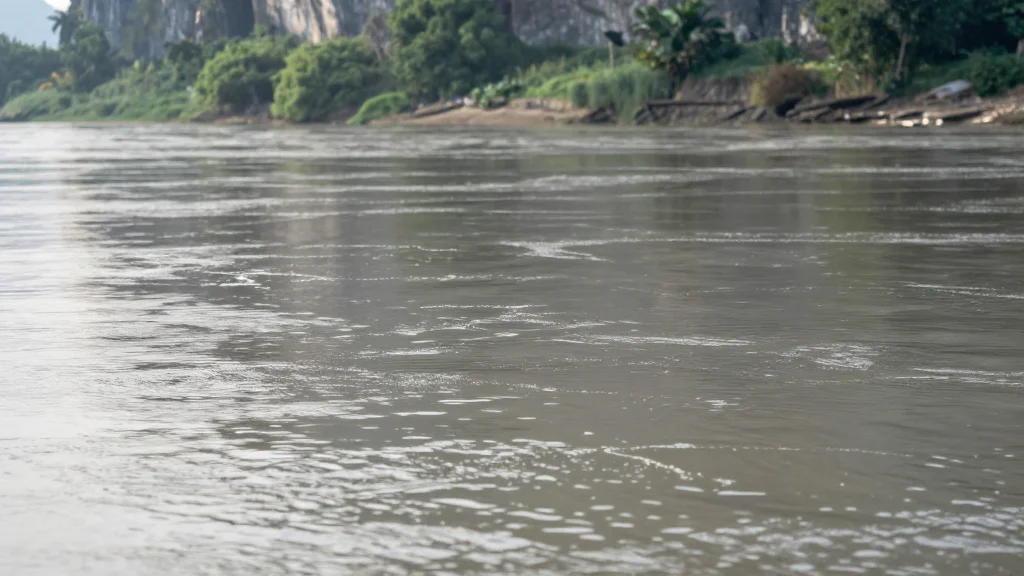
Rare‑Earth Mine Runoff Pollutes Mekong Tributaries, Endangering $10 Billion Rice Export Industry

Why It Matters
The Mekong River sustains the livelihoods of roughly 70 million people and underpins a multi‑billion‑dollar agricultural export economy. Heavy‑metal contamination threatens not only public health but also the economic stability of Thailand, Cambodia, Vietnam and Laos, potentially triggering food‑price spikes and migration pressures. Moreover, the crisis highlights the environmental cost of the global push for rare‑earth minerals, which power renewable‑energy technologies and consumer electronics. If unchecked, the pollution could force major rice‑exporting nations to lose market access in the United States, Europe and Asia, reshaping global commodity flows. The situation also serves as a cautionary tale for other regions where mineral extraction outpaces environmental regulation, emphasizing the need for cross‑border governance mechanisms in shared river basins.
Key Takeaways
- •Rare‑earth mining runoff introduces arsenic, mercury, lead and cadmium into Mekong tributaries.
- •Thailand exported over $10 billion of rice and fruit in 2024; exports risk bans if toxins exceed safety limits.
- •Around 70 million people depend on the Mekong for food, water and income.
- •Thai officials admit limited leverage over cross‑border mining due to conflict and funding gaps.
- •Regional NGOs warn the contamination could force a new generation of farmers to abandon agriculture.
Pulse Analysis
The Mekong crisis illustrates a classic clash between resource demand and environmental stewardship. Rare‑earth elements are critical for green‑energy technologies, yet their extraction in politically unstable regions often sidesteps environmental safeguards. Thailand’s reliance on the Mekong for its $10 billion rice export sector creates a high‑stakes incentive to act, but the country’s diplomatic tools are blunt when confronting illicit mining in Myanmar’s conflict zones.
Historically, transboundary river pollution has been mitigated through joint commissions, but the Mekong River Commission has struggled to enforce standards without binding authority. The current impasse suggests that market‑based mechanisms—such as certification schemes for toxin‑free produce—could pressure upstream producers to adopt cleaner practices. However, such schemes require traceability infrastructure that is currently lacking.
Looking forward, the region faces a strategic choice: invest in robust cross‑border monitoring and remediation or accept a gradual erosion of its agricultural base. The latter would not only undermine food security but also diminish the geopolitical leverage of Southeast Asian nations in global supply chains for both food and critical minerals. A coordinated response, possibly backed by international development funds, could set a precedent for managing similar environmental externalities in other mineral‑rich river basins worldwide.
Rare‑Earth Mine Runoff Pollutes Mekong Tributaries, Endangering $10 Billion Rice Export Industry
Comments
Want to join the conversation?
Loading comments...