Republicans Deployed a Little-Known Law to Open Minnesota Wilderness to Mining
Companies Mentioned

Why It Matters
The decision could open pristine wilderness to mining, threatening ecosystems, tribal rights, and establishing a legal template for dismantling other land protections while accelerating domestic critical‑minerals production for AI and defense.
Key Takeaways
- •Senate Republicans used CRA to repeal 20‑year mining ban.
- •Boundary Waters protection was a public land order, not rule.
- •Twin Metals poised to mine Duluth Complex near Boundary Waters.
- •CRA precedent could endanger Grand Staircase‑Escalante monument.
- •Tribal treaty rights and Forest Service opposition ignored.
Pulse Analysis
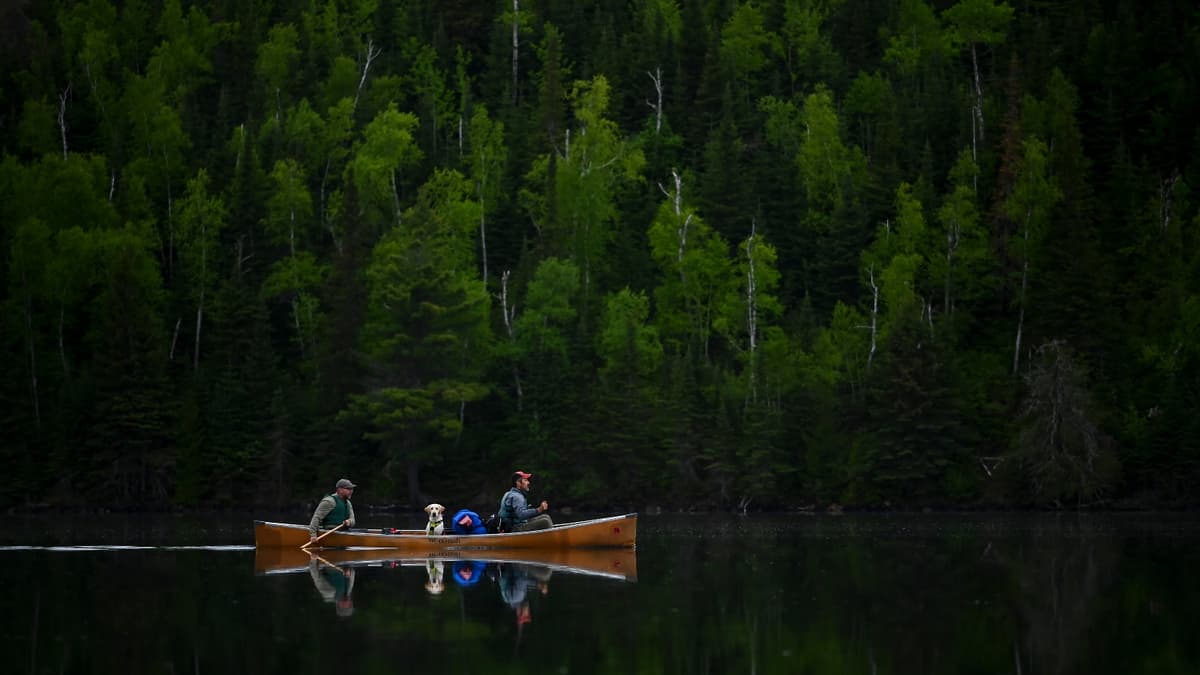
The Boundary Waters of northern Minnesota, a million‑acre wilderness of lakes and forests, has long been a benchmark for U.S. conservation and outdoor recreation. On April 16, Senate Republicans slipped a resolution through a 50‑49 vote that invokes the Congressional Review Act to overturn a 20‑year ban on mining in the region. The maneuver sidestepped the usual two‑thirds supermajority required to repeal a public land order, raising immediate concerns about the durability of long‑standing environmental safeguards.
The CRA, drafted in the 1990s to curb regulatory bloat, lets Congress nullify agency rules with a simple majority. Its use here follows the Trump administration’s aggressive pattern—nullifying 17 Obama‑era rules and signing 22 CRA repeals in 2025. Applying the act to a public land order stretches its language and could invite similar challenges to sites like Grand Staircase‑Escalante National Monument. Combined with ongoing NEPA reform, the move threatens the procedural safeguards that require agencies to evaluate environmental impacts before large‑scale approvals.
Proponents argue that reopening the Boundary Waters is essential for securing domestic supplies of copper and nickel, metals critical to AI hardware, electric‑vehicle batteries, and defense systems. Twin Metals, a subsidiary of Chile’s Antofagasta, would gain access to one of the world’s largest undeveloped critical‑minerals deposits just five miles from the watershed. However, the U.S. Forest Service has warned that sulfide‑ore mining could cause irreversible damage, and three Minnesota tribes cite treaty rights that the repeal effectively sidelines. The episode underscores the tension between rapid mineral‑supply strategies and the legal, ecological, and cultural costs of eroding long‑standing land protections.
Republicans deployed a little-known law to open Minnesota wilderness to mining
Comments
Want to join the conversation?
Loading comments...