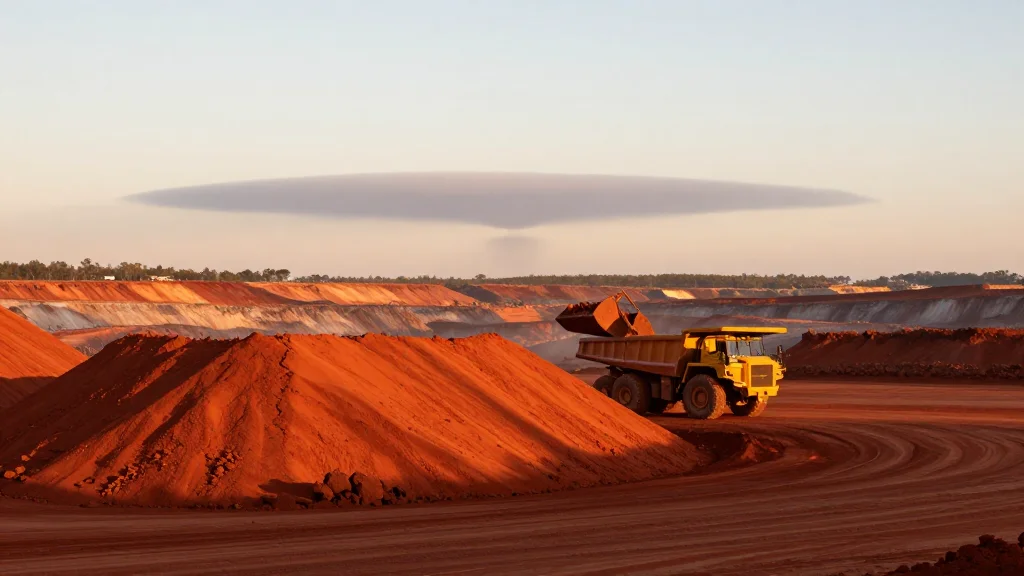
Rio Tinto Posts Record Q1 2026 Pilbara Iron Ore Volumes, up 13% YoY

Companies Mentioned
Why It Matters
The surge in Pilbara iron‑ore production reshapes the supply dynamics for one of the world’s most traded commodities, tightening the market at a time when steel demand is rebounding in emerging economies. For investors, the result signals that Rio Tinto can generate growth even when external shocks, such as cyclones, disrupt logistics. At the same time, the episode highlights the strategic importance of diversifying export routes and investing in resilient infrastructure to mitigate weather‑related risks. Beyond Rio Tinto, the data point serves as a benchmark for other major producers, such as BHP and Fortescue, who will be watching how the Pilbara ramp‑up influences freight rates, port congestion, and ultimately, iron‑ore pricing on global exchanges.
Key Takeaways
- •Pilbara iron‑ore production up 13% YoY in Q1 2026, second‑highest Q1 total since 2018
- •Cyclones reduced shipment volumes by roughly 8 million tonnes
- •Rio Tinto shares traded near all‑time highs on the NYSE following the release
- •Copper output grew 9% YoY, driven by Oyu Tolgoi, while Kennecott output fell 20%
- •Company plans rail and mine upgrades to sustain higher throughput into Q2
Pulse Analysis
Rio Tinto’s Q1 performance underscores a broader shift in the mining sector toward operational resilience and strategic capacity expansion. The 13% rise in Pilbara volumes is not merely a short‑term bump; it reflects a deliberate push to capture market share as global steel producers seek reliable supply amid geopolitical uncertainty. By keeping the mines online during cyclone events, Rio Tinto demonstrated a level of operational flexibility that many peers lack, potentially setting a new industry standard for weather‑risk management.
Historically, iron‑ore markets have been driven by a handful of large exporters, and any deviation in output can ripple through pricing. Rio Tinto’s ability to offset a weather‑driven shipment shortfall with higher mine run‑rates suggests that the company’s capital investments in automation and rail logistics are beginning to pay off. If the company can replicate this performance in the second quarter, it may force competitors to accelerate their own infrastructure projects, intensifying capital spending across the sector.
Looking forward, the interplay between iron‑ore, copper, and aluminium will shape Rio Tinto’s earnings trajectory. While iron‑ore provides a near‑term earnings boost, the longer‑term growth narrative is anchored in copper, especially Oyu Tolgoi’s projected 500,000‑tonne annual output from 2028 onward. Investors will be watching how the company balances these pillars, particularly as the Middle East conflict continues to influence aluminium pricing. The upcoming August earnings release will be a critical test of whether Rio Tinto can sustain its multi‑commodity momentum without compromising safety or operational integrity.
Rio Tinto posts record Q1 2026 Pilbara iron ore volumes, up 13% YoY
Comments
Want to join the conversation?
Loading comments...