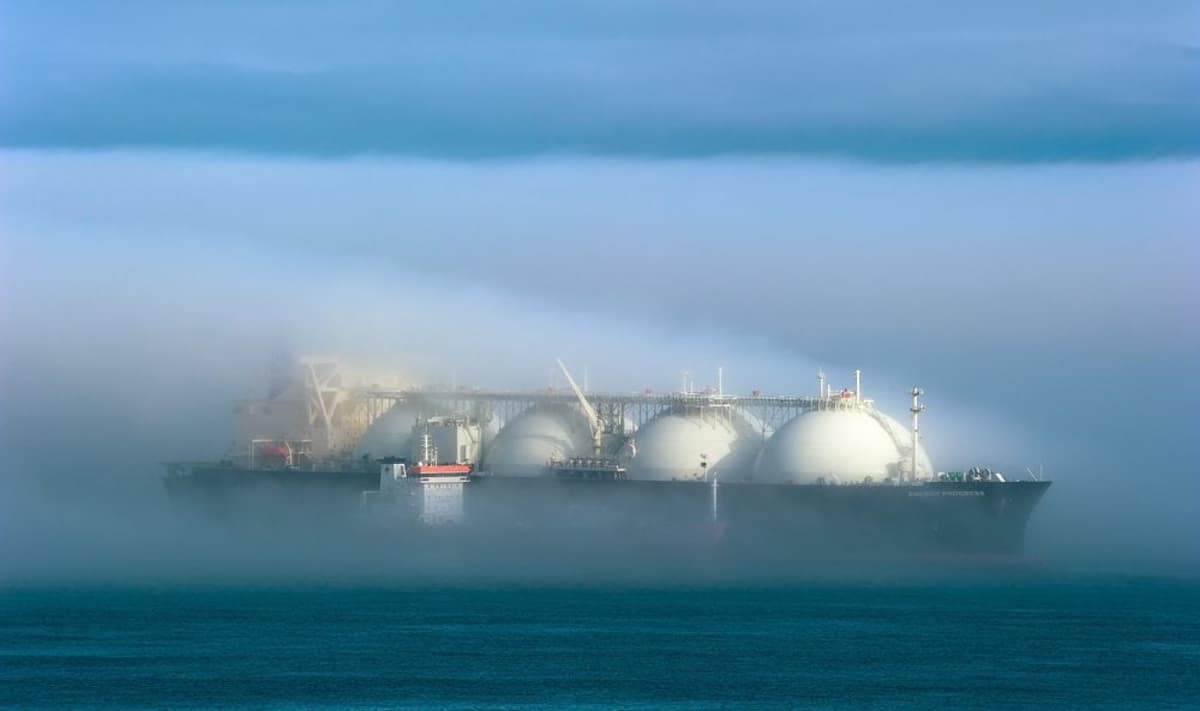
Russia-Linked LNG Carriers Head North After Reflagging, Signalling Arctic Fleet Expansion
Why It Matters
By expanding a shadow LNG fleet, Russia can sustain export volumes despite EU bans, reshaping global LNG supply dynamics. The development signals heightened geopolitical risk for European energy security and creates new opportunities for Asian buyers.
Key Takeaways
- •Four former Omani LNG carriers sold for $110 million now Russian‑flagged
- •Vessels renamed multiple times, now owned via Turkish‑linked firms
- •Ships heading toward Murmansk to support Yamal or Arctic LNG 2
- •Expansion offsets EU sanctions and meets need for ~30 extra carriers
- •Likely to serve non‑EU markets such as China, avoiding EU bans
Pulse Analysis
Russia’s LNG export capacity has been under pressure since the EU imposed short‑term bans and set a full prohibition for 2027. To counteract the loss of sanctioned vessels, Moscow has turned to a shadow fleet strategy, acquiring second‑hand carriers that can operate under the Russian flag without direct sanctions. The recent purchase of four 2005‑2006 LNG tankers for about $110 million illustrates this approach, leveraging complex renaming and re‑registration to obscure ownership while expanding usable tonnage.
The four vessels—Kosmos, Merkuriy, Luch and Orion—originated in Oman’s Asyad Shipping fleet and have undergone a rapid series of name changes before landing under Russian registration. Ownership traces back to Hong Kong‑based Mighty Ocean Shipping and Turkish entities such as Fidelity Denizcilik ve Ticaret and Celtic Maritime & Trading, highlighting a web of offshore structures that complicate sanction enforcement. Their current trajectories northward, with Luch signaling Murmansk as a destination, suggest deployment to support the Yamal LNG hub or the heavily sanctioned Arctic LNG 2 project, both of which require additional tonnage to meet export commitments.
For the global LNG market, the re‑flagged fleet introduces a new variable. While the ships cannot dock in EU ports, they remain viable for routes to Asia, especially China, where demand for Russian LNG is growing. This maneuver may partially offset Europe’s loss of Russian supply, but it also raises the risk of further geopolitical friction and could prompt tighter tracking of vessel ownership. As analysts estimate Russia needs roughly 30 more carriers, the emergence of this shadow fleet signals a sustained effort to keep Russian LNG flowing despite mounting regulatory headwinds.
Russia-Linked LNG Carriers Head North After Reflagging, Signalling Arctic Fleet Expansion
Comments
Want to join the conversation?
Loading comments...