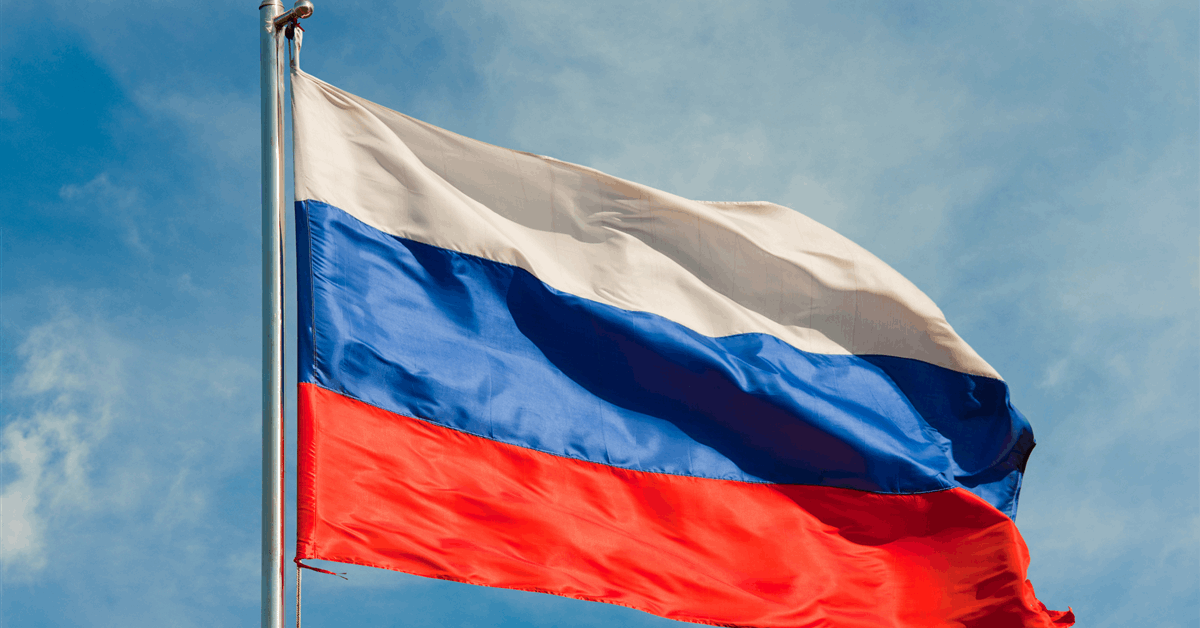
Russia Says It Has No Plans to Leave OPEC+
Why It Matters
Russia’s decision to stay stabilizes the OPEC+ supply framework, helping to temper global oil price volatility despite geopolitical shocks. The move also limits the Kremlin’s fiscal exposure to declining petrodollar revenues.
Key Takeaways
- •Russia maintains OPEC+ membership despite UAE's departure.
- •Russian output flat at 9.167 million bpd, below OPEC+ quota.
- •Ukraine attacks limit Russia's ability to increase production.
- •Kazakhstan also confirms staying in OPEC+ alliance.
- •OPEC+ remains key for global oil price stability.
Pulse Analysis
The United Arab Emirates’ surprise exit from OPEC after six decades has raised questions about the future of the OPEC+ coalition, the informal partnership that balances output between Saudi Arabia, Russia and other producers. While the UAE’s departure removes a significant Gulf contributor, the alliance’s core—Saudi Arabia and Russia—remains intact, preserving the mechanism that has kept crude markets relatively orderly since the 2016 production cuts. Analysts note that the loss of the UAE’s roughly 3 million barrels per day capacity could tighten supply, but the group’s flexible quota system is designed to absorb such shocks.
Russia’s refusal to follow the UAE out of OPEC+ reflects a pragmatic assessment of its own production constraints. Ongoing Ukrainian strikes on refineries, pipelines and export terminals have capped Russia’s ability to boost output, leaving its March crude‑only run rate at 9.167 million barrels per day—still below the 9.574 million‑barrel quota set by the alliance. By staying in OPEC+, Moscow secures a guaranteed market share and avoids a potential price plunge that could exacerbate fiscal pressures from reduced petrodollar inflows. Moreover, the alliance offers a diplomatic platform for Russia to coordinate with Saudi Arabia, the de‑facto co‑leader, on output adjustments that can mitigate market turbulence.
The broader implication for global energy markets is a continued reliance on OPEC+ as a price‑stabilizing force amid heightened geopolitical risk. With the Strait of Hormuz partially blocked and regional tensions persisting, the coalition’s ability to manage supply will be critical for both producers and consumers. Investors and policymakers will watch closely how OPEC+ adapts its quotas in response to the UAE’s exit and Russia’s constrained production, as any misstep could trigger sharper price swings and affect inflationary pressures worldwide.
Russia Says It Has No Plans to Leave OPEC+
Comments
Want to join the conversation?
Loading comments...