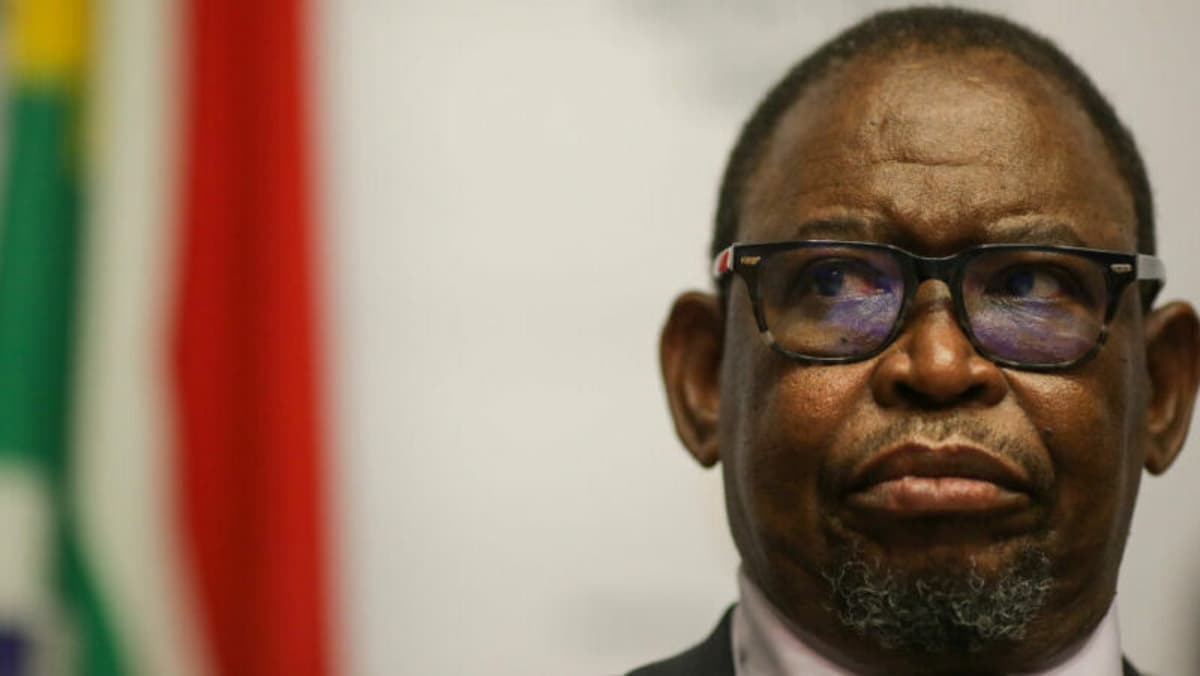
SA Mining Baffled as Godongwana Fails to Address Energy Tariffs
•February 25, 2026
0

Why It Matters
Without tariff relief, the ferrochrome segment risks collapse, jeopardising thousands of jobs and a significant source of tax revenue, underscoring the critical link between energy policy and mining competitiveness.
Key Takeaways
- •Budget ignored ferroalloy electricity tariff relief, sparking industry frustration
- •Industrial electricity costs rose over 900% since 2008
- •Mining tax contributions jumped 29%, boosting national revenue
- •Glencore secured interim 35% tariff cut, still below viability level
- •Council urges exploration incentives and targeted support for distressed sectors
Pulse Analysis
South Africa’s mining sector sits at a crossroads as the nation grapples with an entrenched energy crisis. Eskom’s soaring electricity prices, which have increased more than nine‑fold since 2008, have eroded the cost base of energy‑intensive operations such as ferrochrome smelting. The latest budget failed to address this structural challenge, leaving the Minerals Council and industry leaders to question the government’s commitment to preserving a sector that underpins a sizable share of export earnings and employment.
The ferrochrome industry, a linchpin for over 20,000 direct and indirect jobs, illustrates the broader stakes. Glencore’s recent interim tariff concession of 87.74 c/kWh—35% lower than the previous rate—has allowed the Lion smelter to resume operations, yet it remains well above the 62 c/kWh level deemed necessary for long‑term commercial viability. Without a sustainable tariff framework, producers risk shutdowns, which would not only diminish employment but also curtail the mining tax surge that contributed a 29% increase to the nation’s fiscal coffers this year.
Policy makers now face pressure to embed mining priorities into fiscal planning. Beyond immediate tariff relief, the Minerals Council urges the introduction of exploration incentives, targeted assistance for distressed subsectors such as ferrochrome and diamonds, and continued investment in critical infrastructure like rail corridors. Aligning energy pricing with the sector’s cost structures could safeguard South Africa’s competitive edge in global mineral markets while sustaining the tax revenues that bolster the national budget. The next budget cycle will be a litmus test for whether energy policy can be harmonised with mining’s long‑term growth agenda.
SA mining baffled as Godongwana fails to address energy tariffs
0
Comments
Want to join the conversation?
Loading comments...