Seismic Velocity Tomography Predicts Mining-Induced Rockburst Risks
Why It Matters
Accurate early warning of rockbursts reduces downtime, equipment damage, and worker injuries, directly boosting safety and profitability in deep underground mining.
Key Takeaways
- •Passive seismic tomography predicts rockbursts with 86% accuracy
- •Study conducted at >1,100 m depth in Xingcun Coal Mine, China
- •High P‑wave velocity zones align with 87.5% of future seismic events
- •Low‑threshold (≥5%) velocity anomalies capture all high‑energy events
- •Method leverages existing micro‑seismic networks, requiring minimal extra hardware
Pulse Analysis
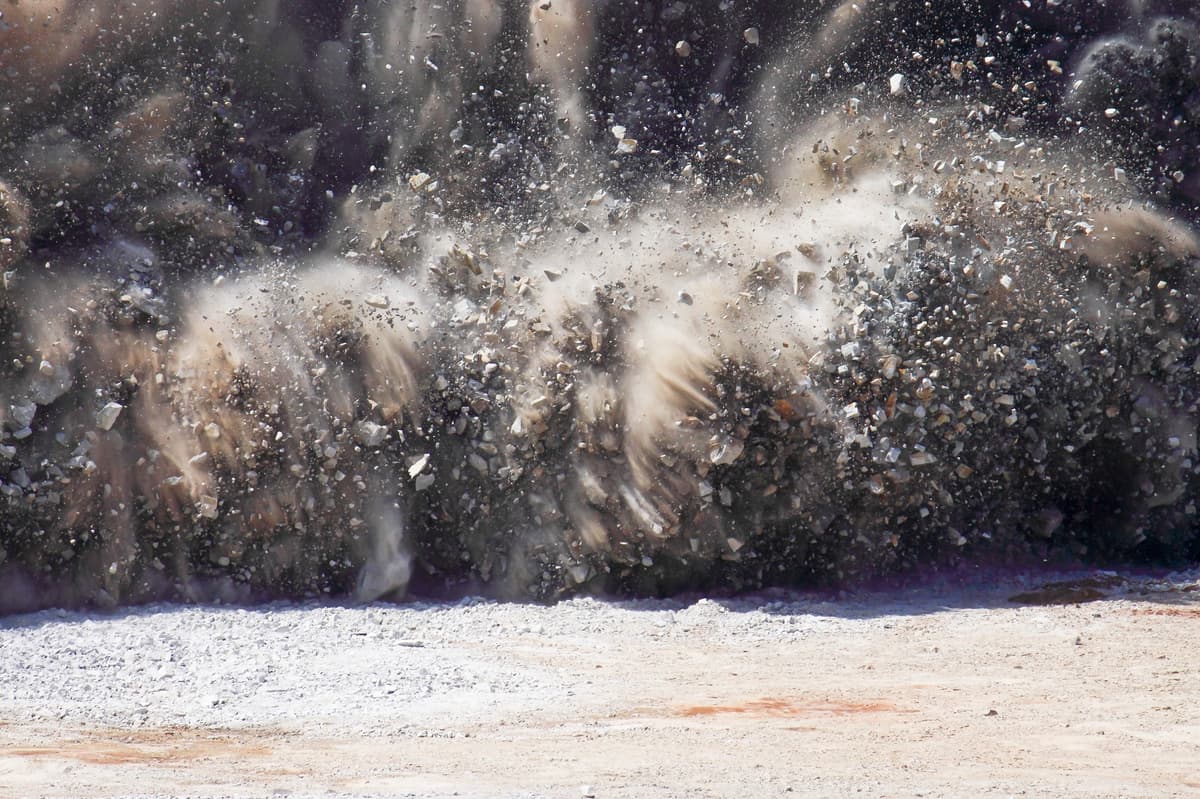
Deep coal mining faces a persistent threat: rockbursts, sudden releases of stored stress that can devastate tunnels and endanger crews. Traditional micro‑seismic monitoring flags events after they occur, but the industry has long sought a proactive tool. Passive seismic velocity tomography fills that gap by converting naturally occurring seismic waves into velocity maps, where high P‑wave speeds signal stress concentrations. This geophysical approach leverages the same sensor arrays already deployed for micro‑seismic detection, turning routine data into a predictive safety asset.
The Xingcun Coal Mine study applied the method across eight time windows, comparing early‑stage velocity maps with later seismic activity. Using a 5% velocity‑anomaly threshold, the model captured every high‑energy event and achieved an overall prediction efficiency above 86%, far surpassing a random‑guess baseline. Even at higher thresholds (15% and 25%), the technique still identified a majority of moderate‑energy events, demonstrating robustness across varying risk levels. The quantitative metric—velocity‑anomaly coefficient—provides a clear, actionable indicator for mine planners.
For operators, the implications are immediate. By pinpointing high‑stress zones before excavation, engineers can redesign support systems, adjust mining sequences, and allocate resources more efficiently, translating into fewer stoppages and lower remediation costs. The method’s reliance on existing micro‑seismic hardware means implementation costs are modest, encouraging rapid adoption across deep‑mine portfolios. Ongoing challenges include sensor placement optimization and algorithm refinement for complex geology, but integrating velocity tomography with complementary metrics like b‑value trends promises even higher predictive power. Ultimately, data‑driven geophysical monitoring stands to make deep mining safer, more reliable, and economically resilient.
Seismic Velocity Tomography Predicts Mining-Induced Rockburst Risks
Comments
Want to join the conversation?
Loading comments...