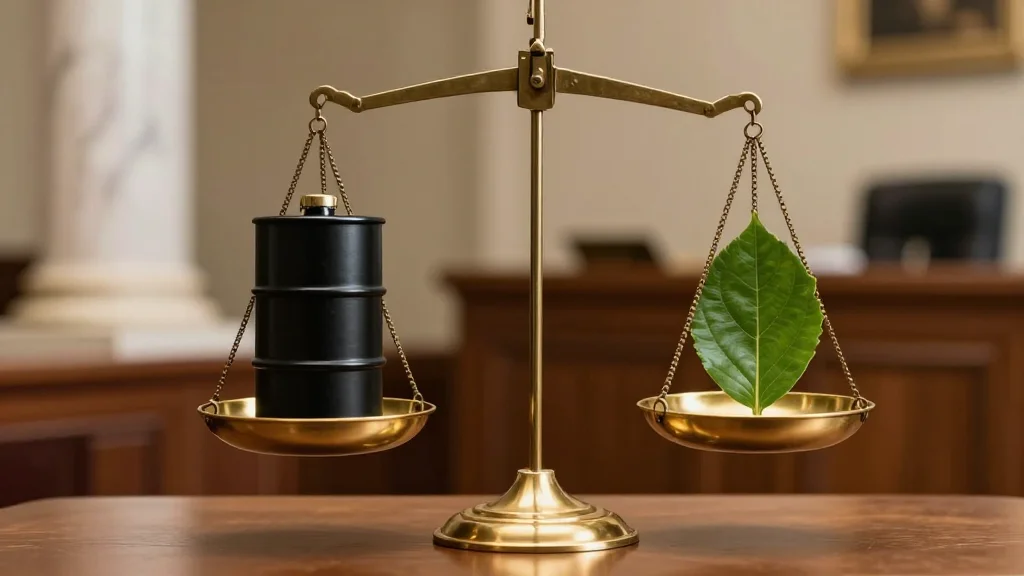
Shell Faces New Climate Lawsuit Over Oil & Gas Drilling, Emissions
Companies Mentioned
Why It Matters
The lawsuit could force Shell to accelerate its energy‑transition roadmap and set a precedent for holding oil majors legally accountable for future fossil‑fuel projects. It also highlights the growing power of climate NGOs to shape corporate strategy through the courts.
Key Takeaways
- •Milieudefensie files new lawsuit demanding Shell halt new oil fields
- •Court previously ordered 45% emissions cut by 2030, later overturned
- •Appeals court affirmed fossil fuels drive climate crisis, but rejected specific target
- •Shell argues lawsuit is unrealistic and would shift fields to competitors
- •New case could pressure global oil majors to accelerate energy transition
Pulse Analysis
The Netherlands has become a focal point for climate litigation, with Milieudefensie leveraging a 2021 ruling that held Shell accountable for its customers' emissions. That decision required a 45% reduction in total greenhouse‑gas output by 2030, based on 2019 baselines, and marked one of the first instances where a court extended liability beyond a company's own operations. However, a 2024 appeals court reversed the specific target, citing insufficient scientific certainty, while still acknowledging the urgent role of fossil fuels in the climate crisis. This legal back‑and‑forth underscores the evolving interpretation of Dutch duty‑of‑care statutes and their applicability to multinational energy firms.
Shell’s rebuttal frames the lawsuit as impractical, emphasizing that oil and gas will continue to underpin global energy supply for decades. The company warns that prohibiting new field development would simply reallocate those assets to other operators, offering no net climate benefit. Yet, investors are increasingly scrutinizing such statements, as ESG metrics and shareholder activism pressure majors to align corporate plans with the Paris Agreement. The dispute forces Shell to reconcile its stated ambition to expand gas production beyond 2030 with mounting expectations for a rapid decarbonisation pathway.
Beyond Shell, the case could set a legal benchmark for other oil majors operating in Europe. If courts begin to enforce emission‑reduction obligations that extend to future project pipelines, companies may face higher compliance costs, tighter financing terms, and accelerated divestment pressures. The broader industry is watching how Dutch jurisprudence interacts with EU climate directives and global carbon‑pricing mechanisms. Ultimately, the outcome may accelerate the shift toward renewable investments, as firms seek to mitigate litigation risk while meeting the growing demand for sustainable energy solutions.
Shell Faces New Climate Lawsuit Over Oil & Gas Drilling, Emissions
Comments
Want to join the conversation?
Loading comments...