Sierra Club: Nippon Investment in DRI in the South a Good First Step, Must Not Overlook Greening Midwest Steel
Companies Mentioned
Why It Matters
The Arkansas DRI plant marks a tangible move toward lower‑carbon steel production in the U.S., but the Sierra Club argues that broader adoption across the Midwest is essential to protect union workforces and achieve industry‑wide decarbonization.
Key Takeaways
- •U.S. Steel to spend ~$2 billion on Arkansas DRI plant
- •DRI feedstock will power electric arc furnaces, reducing emissions
- •Sierra Club urges similar clean‑steel investments in Midwest legacy mills
- •Nippon Steel frames project as keeping American steel competitive amid decarbonization
- •Midwest upgrades missing could threaten union jobs and community health
Pulse Analysis
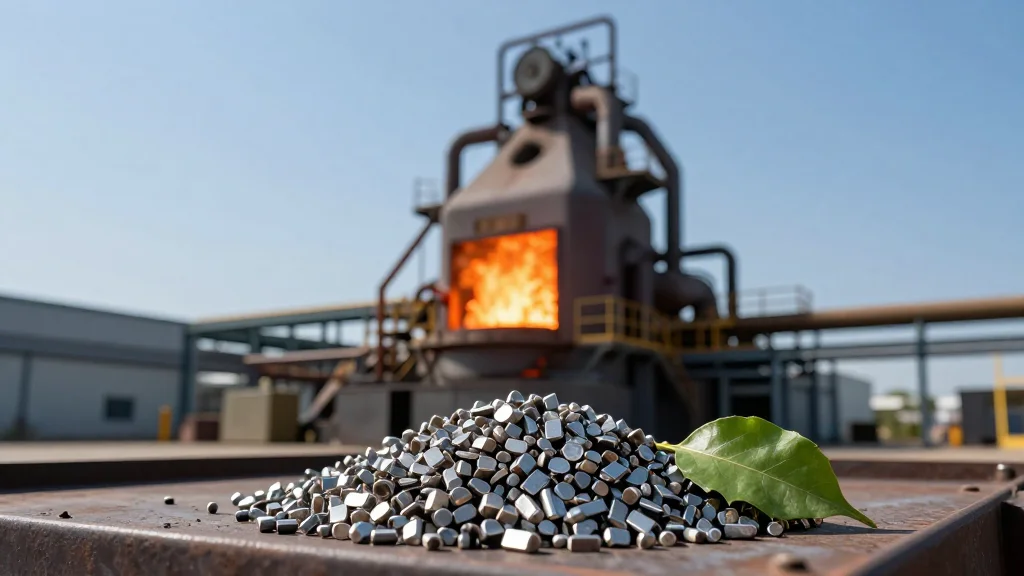
The steel sector, responsible for roughly 7 % of global CO₂ emissions, is under pressure to adopt lower‑carbon processes. Direct reduced iron (DRI) – produced by reducing iron ore with natural gas or hydrogen – offers a cleaner alternative to traditional blast‑furnace iron, especially when paired with electric arc furnaces (EAF) that melt scrap or DRI without relying on coke. In the United States, the shift toward DRI‑EAF pathways has accelerated as investors and regulators seek to align the industry with the Paris Agreement targets and domestic climate goals.
U.S. Steel’s $2 billion Arkansas project is the largest single‑site DRI investment in the country to date, signaling Nippon Steel’s commitment to keep its American assets viable in a decarbonizing market. The facility will feed DRI into existing EAFs at the Big River plant, cutting carbon intensity by an estimated 30 % per ton of steel. Sierra Club officials, however, caution that concentrating clean‑steel upgrades in the South leaves the historic Midwest mills – home to a dense union workforce – vulnerable to job losses and lingering pollution.
From a strategic perspective, extending DRI and EAF technology to legacy plants in Indiana, Pennsylvania, Illinois and Minnesota could create a geographically balanced green‑steel corridor, preserving high‑skill union jobs while meeting tightening emissions standards. Federal incentives such as the Inflation Reduction Act’s clean‑energy tax credits and state‑level carbon‑pricing schemes are likely to tilt investment decisions toward regions that demonstrate comprehensive decarbonization plans. If Nippon Steel heeds the Sierra Club’s call, the United States could emerge with a more resilient, low‑carbon steel supply chain that supports both environmental and labor objectives.
Sierra Club: Nippon Investment in DRI in the South a Good First Step, Must Not Overlook Greening Midwest Steel
Comments
Want to join the conversation?
Loading comments...