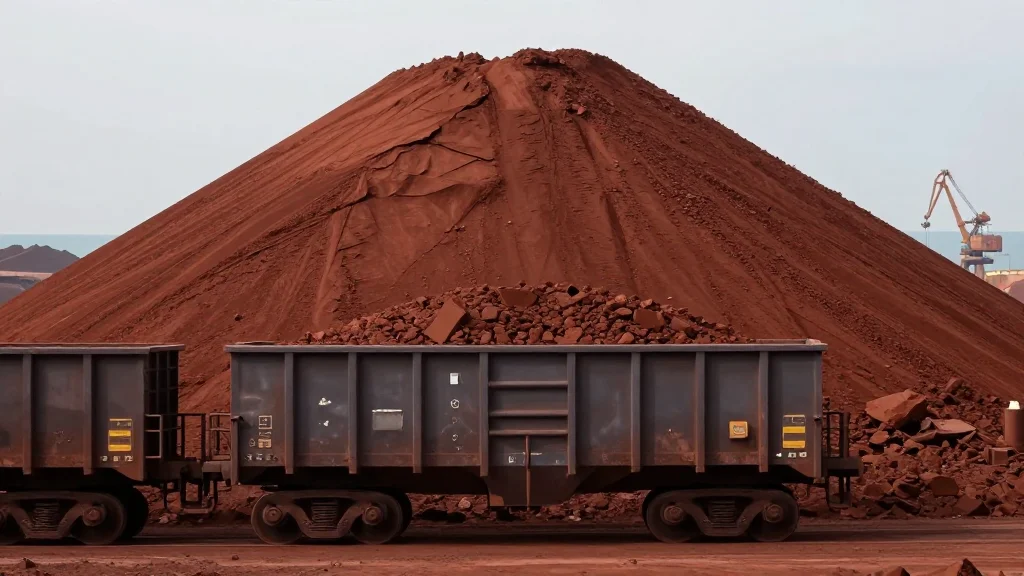
Simandou Iron Exports Jump to 2.2 Mt in May, Six Months After First China Shipment

Companies Mentioned
Why It Matters
Simandou’s surge adds a new, high‑grade iron‑ore source to a market that has been dominated by Brazil’s Carajás and Australia’s Pilbara basins. By offering ore with higher iron content, Simandou can lower blast‑furnace energy consumption and reduce carbon emissions for steelmakers, aligning with industry decarbonisation goals. Moreover, the project's success validates large‑scale mining investments in West Africa, potentially unlocking further resource development across the region. For the steel sector, the additional supply eases pressure on tight contracts and may temper price volatility that has plagued the market since 2023. The shift also deepens China’s supply chain ties to Africa, reinforcing geopolitical leverage in a critical commodity market.
Key Takeaways
- •May 2026 Simandou shipments reached 2.2 million tonnes, a 69% rise from April.
- •April shipments set a new record of 1.3 million tonnes, up from sub‑0.6 million tonnes in Jan‑Mar.
- •Morebaya port handled the increased volume, reflecting successful infrastructure upgrades.
- •High‑grade ore (>65% Fe) offers steelmakers lower processing costs and emissions.
- •Analysts estimate the surge could shave ~0.5% off global iron‑ore prices in the next quarter.
Pulse Analysis
Simandou’s rapid export growth underscores a broader shift in the iron‑ore market toward diversified supply sources. Historically, the sector has been vulnerable to disruptions in Brazil and Australia, as seen during the 2020‑2021 pandemic and the 2023 Australian floods. Simandou’s entry mitigates that concentration risk and introduces a new competitive dynamic, especially for premium contracts that command a price premium of $10‑$15 per tonne over lower‑grade ore.
From a strategic perspective, the project's success is a litmus test for large‑scale mining ventures in politically complex environments. Guinea’s ability to deliver consistent shipments despite past governance challenges signals improved regulatory stability and effective partnership with Chinese offtakers. This could encourage other multinational miners to pursue similar projects in West Africa, accelerating the continent’s contribution to global mineral supply.
Looking forward, the key question is whether Simandou can sustain its ramp‑up and reach its long‑term production aspirations without encountering bottlenecks in rail logistics or community opposition. If the project maintains its trajectory, it could push global iron‑ore supply growth into double‑digit percentages by 2028, reshaping pricing, trade flows, and the strategic calculus of steel producers worldwide.
Simandou Iron Exports Jump to 2.2 Mt in May, Six Months After First China Shipment
Comments
Want to join the conversation?
Loading comments...