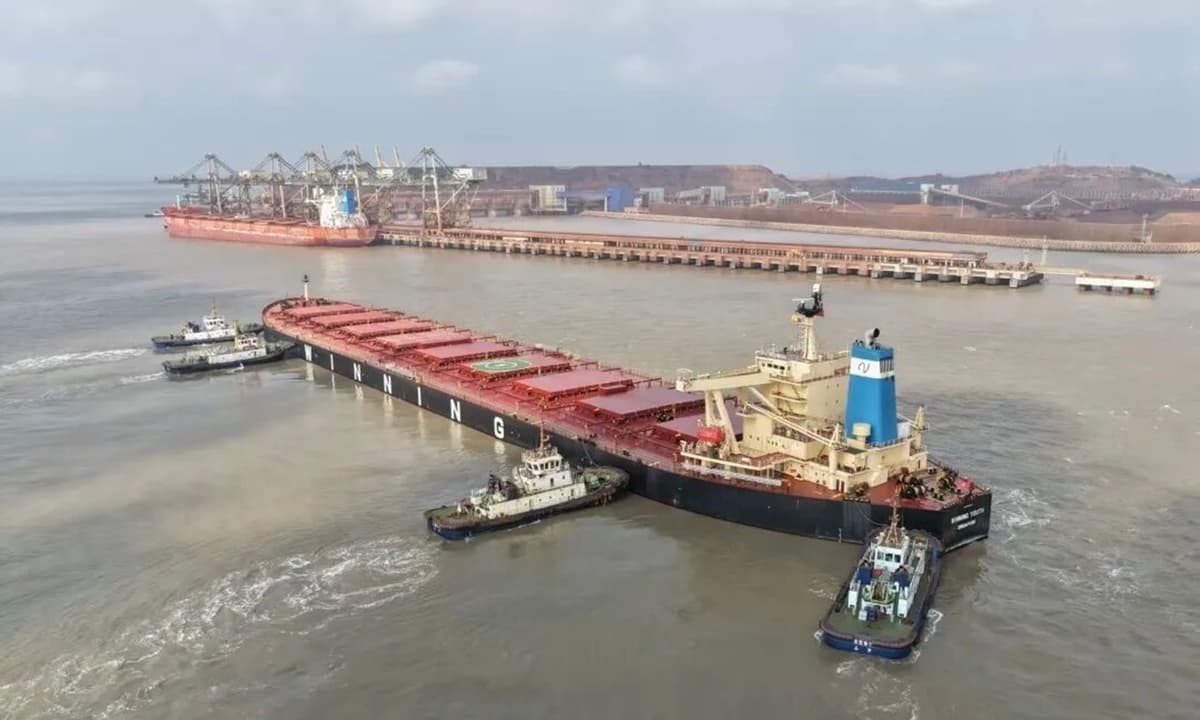
Simandou Underpins Big Bulker Rates Rally
Companies Mentioned
Why It Matters
The surge in Simandou shipments is lifting dry‑bulk freight rates, benefitting shipowners and reinforcing Guinea’s role as a key iron‑ore supplier. Disruptions from the rainy season could create volatility in the market, affecting global steel producers and cargo insurers.
Key Takeaways
- •Simandou exports hit 1.8 million tonnes in April.
- •Weekly shipments expected to exceed 1 million tonnes in May.
- •Rail fleet to reach 54 locomotives by year‑end, 75 by mid‑2024.
- •Iron ore prices stay above $100/tonne, boosting margins.
- •Rainy season may cause hand‑to‑mouth supply, risking delays.
Pulse Analysis
The rapid scale‑up of Guinea’s Simandou iron‑ore complex marks a turning point for the nation’s mining sector. After decades of delays, the Baowu Winning Consortium and RT/Simfer have collectively shipped nearly 1.8 million tonnes in April, a volume that eclipses the entire first‑quarter output. This surge is underpinned by aggressive rail expansion—four locomotives per month—bringing the fleet toward a 54‑unit target by year‑end and a 75‑unit goal by mid‑2025. The increased throughput aligns with the project's long‑term ambition of 120 million tonnes annually by 2027, positioning Simandou as a cornerstone of global iron‑ore supply.
Bulk‑carrier markets are responding sharply. The influx of iron‑ore cargoes has sparked a rally in dry‑bulk freight rates, as shipowners scramble to secure slots on vessels capable of handling the high‑volume, high‑margin shipments. With iron‑ore prices consistently above $100 per tonne, margins of $40 per tonne are incentivizing both exporters and charterers to prioritize Simandou cargoes over lower‑margin commodities like bauxite. This price differential is reshaping charter‑party negotiations, prompting longer contracts and premium freight terms for vessels that can meet the accelerated schedule.
Nevertheless, the outlook carries notable risks. Guinea’s rainy season threatens to bottleneck rail corridors, turning the supply chain into a "hand‑to‑mouth" operation where delays could cascade into port congestion and missed sailings. Stakeholders are advised to monitor terminal stockpiles and consider buffer inventories to mitigate weather‑related disruptions. Moreover, the broader market context—iron‑ore’s resilience versus weakening bauxite demand—means that any prolonged logistical hiccup could reverberate through steel‑making supply chains worldwide, influencing pricing, inventory strategies, and ultimately, the profitability of bulk‑shipping operators.
Simandou underpins big bulker rates rally
Comments
Want to join the conversation?
Loading comments...