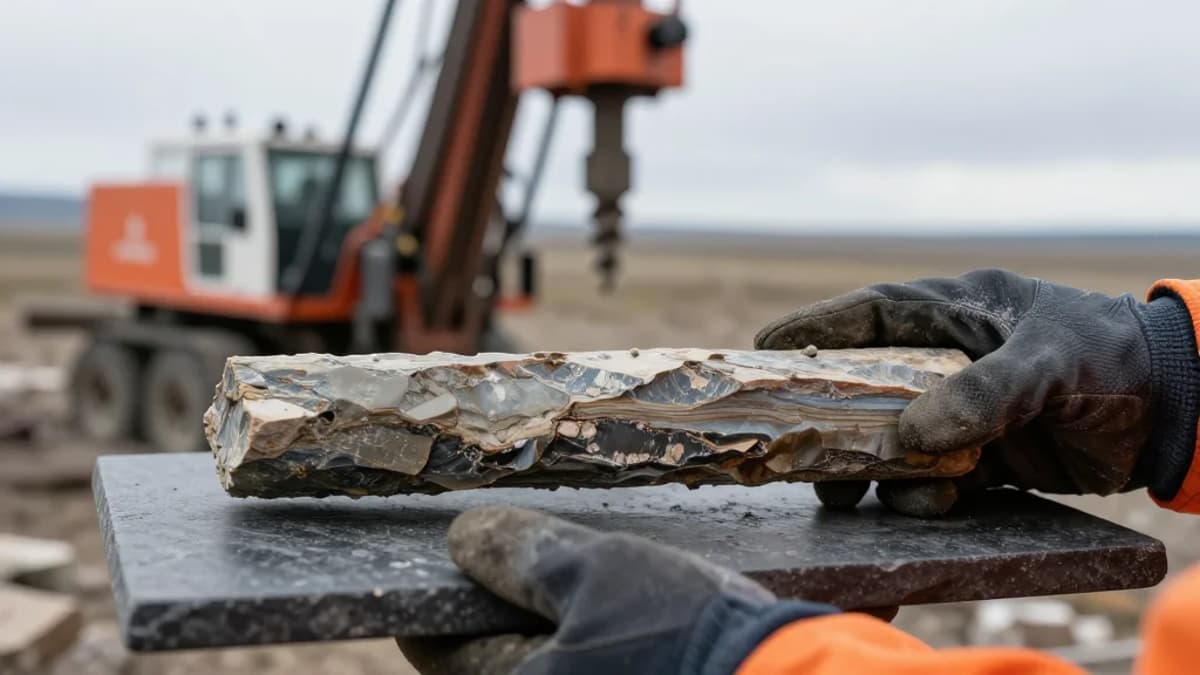
Skyharbour Says Denison Has Begun Athabasca Uranium Drilling
•March 9, 2026
0
Why It Matters
The drill campaign could unlock a new high‑grade uranium source near world‑class mines, strengthening Denison’s project pipeline and potentially boosting the valuation of both partners as demand for clean‑energy metals rises.
Key Takeaways
- •Denison begins 2,500 m drill at Wheeler North, first phase.
- •Total 2026 program targets Fox Lake Trail, Fork, Sphinx.
- •Denison can earn up to 70% stake via $25 m spend.
- •Russell Lake sits between Cameco Key Lake and McArthur River.
- •Skyharbour shares slipped 3.2% after drilling announcement.
Pulse Analysis
The Athabasca Basin remains the gold standard for high‑grade uranium, and the Wheeler North parcel sits at the heart of this prolific region. By launching a 2,500‑metre diamond drill in the winter window, Denison is positioning itself to intersect the Fox Lake Trail’s conductive corridors, which have historically yielded some of the world’s richest deposits. This early‑stage work is a critical step toward confirming the mineralization potential that has attracted major players like Cameco and McArthur River to the surrounding area.
Under the November 2025 joint‑venture agreement, Denison operates the Wheeler North project and bears all exploration costs, while Skyharbour retains a 51% ownership interest. The earn‑in structure permits Denison to increase its share to 70% after spending $25 million and making $3.5 million in cash payments over the next seven years. Such terms align incentives, giving Denison the upside of a larger stake if the drilling validates a robust resource, and providing Skyharbour with a steady cash flow and potential upside without additional capital outlay. The proximity to existing infrastructure—highway 914 and a high‑voltage power line—further reduces development risk.
Investors have responded cautiously; Skyharbour’s shares dipped modestly as the market priced in the short‑term cost of drilling against the long‑term upside of a new uranium source. If the 2026 campaign confirms significant grades, the project could feed the growing demand for nuclear fuel driven by climate‑focused energy policies. Analysts will watch drill results closely, as they could reshape the competitive dynamics in the basin and influence funding strategies for both Denison and Skyharbour moving forward.
Skyharbour says Denison has begun Athabasca uranium drilling
0
Comments
Want to join the conversation?
Loading comments...