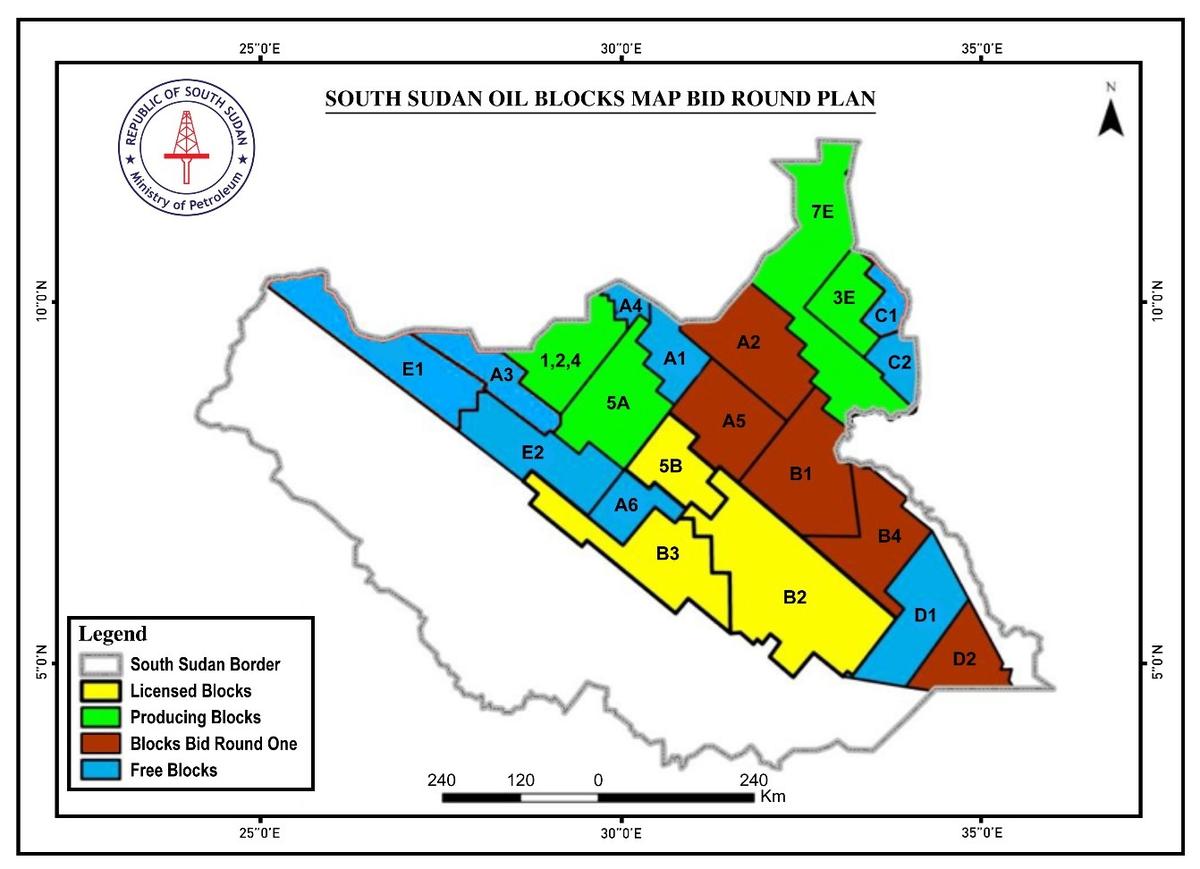
South Sudan Declines to Renew Oranto’s Block B3 Exploration License
Why It Matters
The non‑renewal reshapes the competitive landscape for South Sudan’s oil sector, signaling tighter enforcement that could boost investor confidence and fiscal returns. It also creates a fresh opportunity for stronger operators to unlock untapped hydrocarbon potential.
Key Takeaways
- •Oranto missed seismic surveys and drilling targets in Block B3
- •South Sudan reopened Block B3 for fresh international bids
- •Government aims to attract technically capable operators to boost output
- •Stricter EPSA enforcement signals policy shift toward responsible development
Pulse Analysis
South Sudan’s upstream industry, which accounts for roughly 90% of the nation’s export earnings, has long relied on production‑sharing agreements to attract foreign capital. The Ministry of Petroleum’s recent decision to deny Oranto Petroleum a renewal of its Block B3 EPSA marks the first high‑profile non‑renewal since the 2018 licensing round. Oranto was found lacking on mandatory seismic work, drilling commitments, and several financial covenants, prompting officials to deem the contract non‑compliant with the country’s development agenda.
The non‑renewal opens Block B3 to a fresh competitive process, inviting both regional players and multinational majors seeking untapped reservoirs in the Nile‑based basins. By resetting the bidding round, the government hopes to secure operators with proven technical capacity and deeper financial backing, which could accelerate field development and increase fiscal returns. Analysts expect that the renewed auction may draw interest from companies such as TotalEnergies, ENI, and Kenya’s Tullow, all of which have expressed intent to expand in East Africa’s emerging oil frontier.
Beyond the immediate bidding cycle, the ministry’s stricter enforcement signals a broader policy shift toward accountability and value‑creation in South Sudan’s oil sector. Investors are likely to scrutinize future EPSA terms more closely, demanding clearer milestones and penalty clauses. If the new licensee delivers on exploration targets, the country could see a modest uplift in production—potentially adding 10,000 to 15,000 barrels per day—thereby strengthening its fiscal position and reducing reliance on foreign aid. The episode underscores the delicate balance between sovereign control and attracting the expertise needed for sustainable resource development.
South Sudan declines to renew Oranto’s Block B3 exploration license
Comments
Want to join the conversation?
Loading comments...