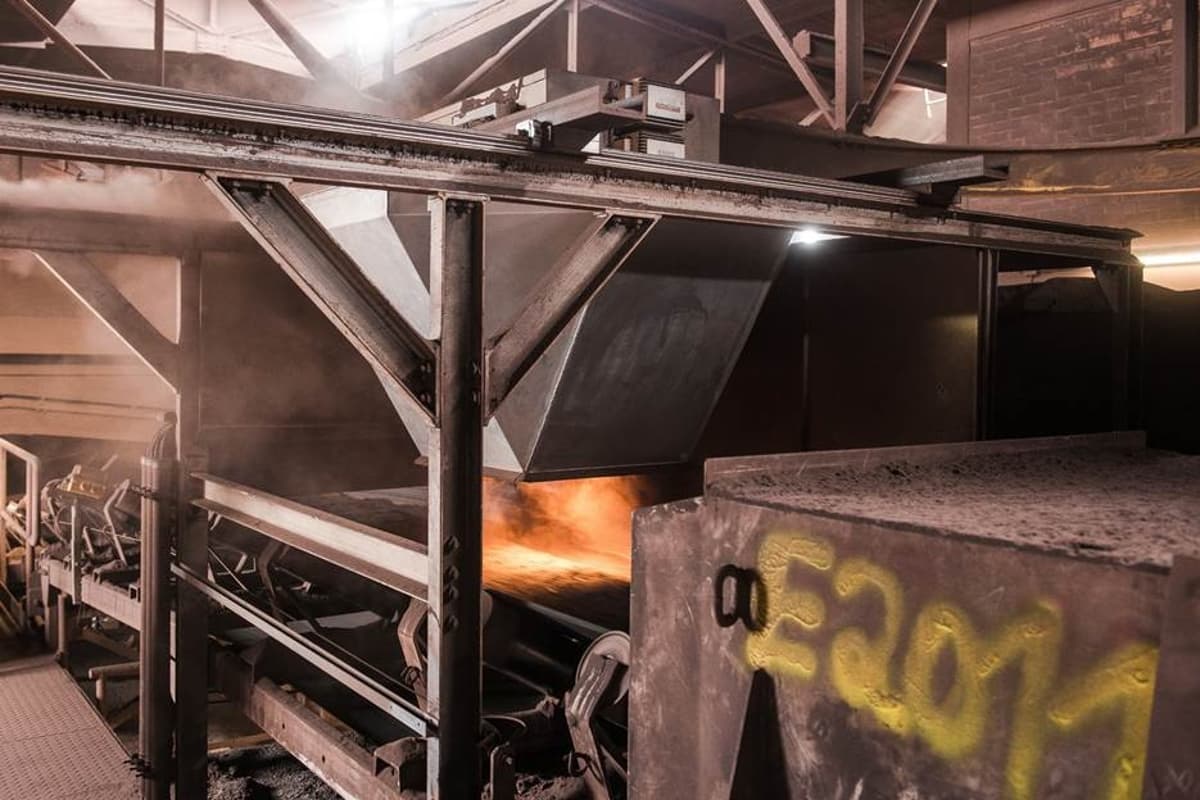
SpectraFlow Crossbelt Analyzer Optimising Concentrate Mix at Dye Non-Ferrous Metal Group Ausmelt TSL Copper Smelter
•March 10, 2026
0
Why It Matters
Optimising concentrate blending directly improves furnace throughput and reduces energy waste, giving the smelter a competitive cost edge while cementing SpectraFlow’s role as a key technology partner in the copper sector.
Key Takeaways
- •SpectraFlow supplies Crossbelt Analyzer to Ausmelt TSL copper smelter
- •Analyzer optimises concentrate blending, stabilises feed to furnace
- •Reduces feed variability, boosts smelting efficiency
- •Expands SpectraFlow’s footprint among top global copper producers
- •Near‑infrared tech supports over 100 mining installations worldwide
Pulse Analysis
The copper market is under pressure to deliver higher output with tighter margins, prompting smelters to seek real‑time process control. Traditional lab‑based assays introduce lag, making it difficult to react to fluctuations in concentrate quality. Near‑infrared (NIR) online analyzers, like SpectraFlow’s Crossbelt system, address this gap by delivering continuous compositional data at the blending point, enabling operators to fine‑tune mixes on the fly and maintain a uniform feedstock for the furnace.
At Ausmelt TSL, the Crossbelt Analyzer is positioned directly on the concentrate belt, where it scans each batch and feeds the data into an automated control loop. The result is a more homogeneous slurry entering the smelter, which reduces temperature spikes, lowers slag formation, and improves metal recovery rates. Early simulations suggest a potential 3‑5% increase in throughput and a measurable drop in energy consumption per tonne of copper produced, translating into significant cost savings for Dye Non‑Ferrous Metal Group.
Beyond the immediate efficiency gains, the deployment underscores a broader shift toward digitalization in mining and metallurgy. SpectraFlow’s portfolio, now exceeding 100 installations across metals, cement, and minerals, illustrates how NIR technology is becoming a standard for process optimization. As major copper producers scale up to meet electrification demand, the ability to reliably manage feed variability will be a decisive factor, positioning vendors like SpectraFlow as essential partners in the industry’s next wave of productivity improvements.
SpectraFlow Crossbelt Analyzer optimising concentrate mix at Dye Non-Ferrous Metal Group Ausmelt TSL copper smelter
0
Comments
Want to join the conversation?
Loading comments...