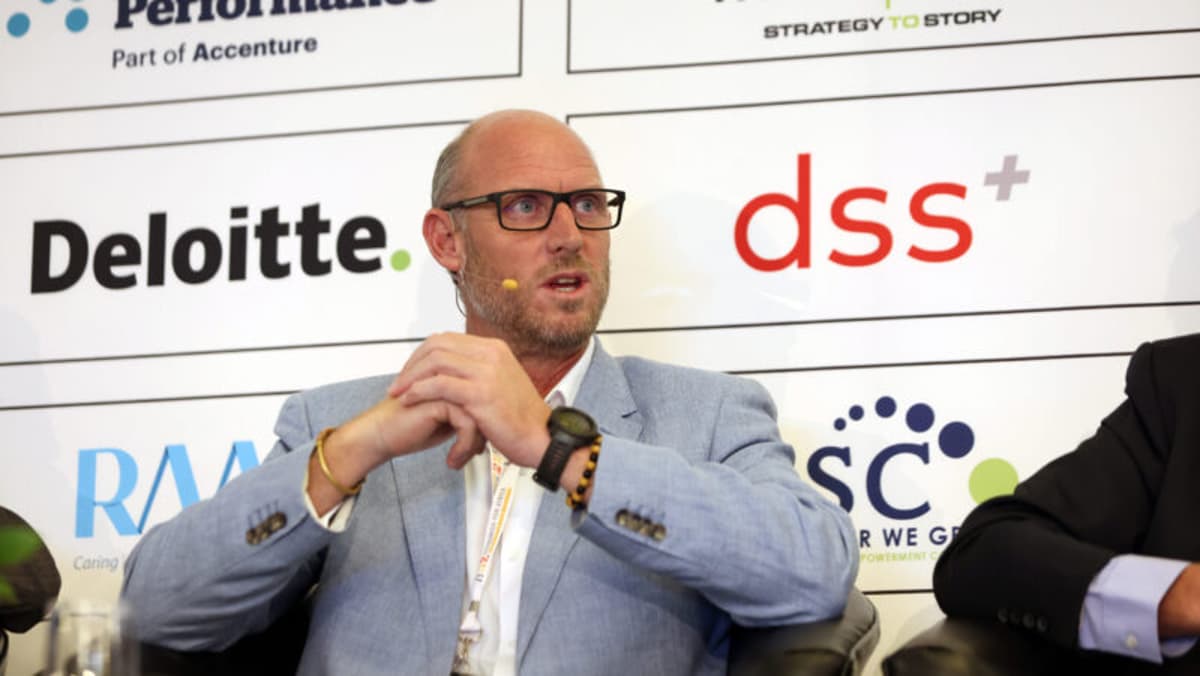
Stewart Aims to Keep It Simple at Sibanye-Stillwater

Why It Matters
The turnaround promises stronger cash flow, a healthier balance sheet and exposure to fast‑growing lithium, positioning Sibanye‑Stillwater for sustainable growth beyond volatile precious‑metal cycles.
Key Takeaways
- •Sibanye-Stillwater posted $1.1bn earnings, up 371% YoY.
- •CEO targets halving gross debt within 18 months.
- •Core portfolio narrowed to five cash‑generating assets.
- •Stillwater West placed on care, aiming $1,000/oz cost base.
- •Keliber will be Europe’s only integrated lithium mine‑to‑refinery.
Pulse Analysis
The quarter’s earnings surge underscores how volatile commodity prices can rapidly transform a miner’s financial profile. With gold and platinum‑group metals trading near historic highs, Sibanye‑Stillwater’s net‑debt‑to‑EBITDA ratio fell to 0.6×, comfortably below the one‑times threshold many investors use as a safety net. Stewart’s pledge to halve gross debt—potentially shaving off roughly $400 million—relies on disciplined cash allocation: one‑third to shareholders, one‑third to debt reduction, and one‑third to reinvestment, a formula that could restore investor confidence and lift the lagging share price.
Asset simplification is at the heart of the new strategy. By concentrating on five core operations—South African PGM and gold mines, the Stillwater PGM complex, recycling facilities, and the Keliber lithium project—the company aims to eliminate managerial distraction and free capital for high‑return projects. The decision to place the costly Stillwater West shaft on care and maintenance trims operating losses while the remaining US mines focus on mechanisation to drive production per employee up 60 %, targeting an all‑in sustaining cost of $1,000 per ounce. This cost discipline, combined with a leaner portfolio, should improve margins even if metal prices retreat.
Keliber represents a strategic bet on the burgeoning lithium market and on geopolitical supply diversification. As the only European project that integrates mining, concentrating and refining, it offers a non‑Chinese source of battery‑grade lithium at a time when Western governments are incentivising domestic critical‑minerals supply chains. Although the current price of lithium hovers in the low $20,000‑per‑tonne range, analysts expect a deficit by 2030 that could push prices above $30,000, making Keliber’s $833 million investment potentially highly lucrative. Success here would not only bolster Sibanye‑Stillwater’s growth narrative but also position the firm as a key player in the clean‑energy transition.
Stewart aims to keep it simple at Sibanye-Stillwater
Comments
Want to join the conversation?
Loading comments...