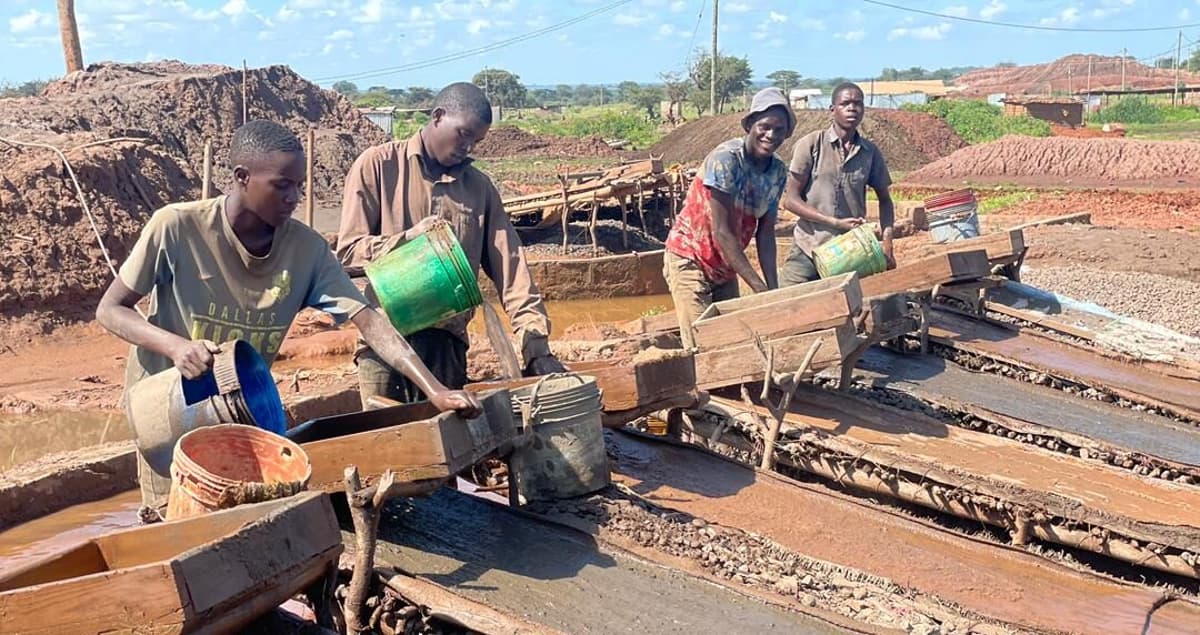
Tanzania Cracks Down on Mining Sector, Aims for Inclusivity and Sustainability
Why It Matters
The move signals Tanzania’s shift toward a more inclusive, locally‑driven mining industry while attempting to curb environmental damage and illegal artisanal mining, affecting both investors and surrounding communities.
Key Takeaways
- •Tanzania revoked 40 mining licenses and warned 43 others.
- •900 sq km of idle concessions targeted for reallocation.
- •Reallocation aims to include women, youth, and people with disabilities.
- •Licensees must restore abandoned sites to prevent environmental damage.
- •Government seeks to curb illegal mining and protect local communities.
Pulse Analysis
Tanzania’s recent mining crackdown reflects a broader regional trend of governments tightening oversight on extractive industries that have long been dominated by foreign investors. By cancelling 40 licences and issuing notices to 43 developers, the Minerals Ministry is addressing a backlog of roughly 900 square kilometres of undeveloped concessions that have become hotspots for unregulated artisanal mining. The policy aims to eliminate speculative land‑hoarding, enforce fee payments, and ensure compliance with the Mining Act of 2010 and the Environmental Management Act of 2004, thereby restoring fiscal predictability for the sector.
Beyond regulatory enforcement, the "Mining for a Brighter Tomorrow" initiative seeks to reshape the industry’s social contract. Reallocating reclaimed blocks to women, youth and people with disabilities is designed to broaden local ownership, meet domestic‑content targets, and generate higher‑value employment beyond manual labour. This inclusive approach could unlock new capital streams, as community‑led enterprises often qualify for development finance and impact‑investor funding. Moreover, tying licence renewal to corporate‑social‑responsibility obligations encourages firms to invest in training, health and safety, and community infrastructure, fostering a more sustainable economic model.
Environmental stewardship sits at the heart of the crackdown. Abandoned pits have been linked to acid‑mine drainage, mercury contamination, and soil erosion that jeopardize agriculture and water supplies. By mandating site rehabilitation before licence revocation, the government aims to mitigate these risks and reduce the allure of illegal mining that thrives on degraded lands. For investors, the policy introduces clearer compliance expectations but also signals potential upside for companies that can demonstrate robust ESG practices, positioning Tanzania as a more responsible mining destination in a competitive global market.
Tanzania cracks down on mining sector, aims for inclusivity and sustainability
Comments
Want to join the conversation?
Loading comments...