Tesla’s Texas Lithium Refinery Sparks Scrutiny of Lax Wastewater Permitting

Companies Mentioned
Why It Matters
The Robstown episode underscores a critical tension between the rapid scaling of domestic lithium processing and the capacity of state regulators to enforce environmental safeguards. As automakers and miners race to secure a reliable supply of battery‑grade lithium, any perceived laxity in wastewater oversight could erode public trust and trigger stricter federal interventions, potentially slowing the rollout of new facilities. Moreover, the presence of toxic metals in waterways threatens local ecosystems and fisheries, raising health concerns for communities that rely on these resources. If Texas revises its permitting procedures, the changes could set a precedent for other states with burgeoning battery‑material industries. Stronger coordination between state agencies and local drainage districts would improve transparency, ensure that discharge limits reflect real‑world impacts, and help the United States meet its clean‑energy goals without compromising environmental integrity.
Key Takeaways
- •Tesla opened its first North American lithium refinery in Robstown, Texas, in January 2026.
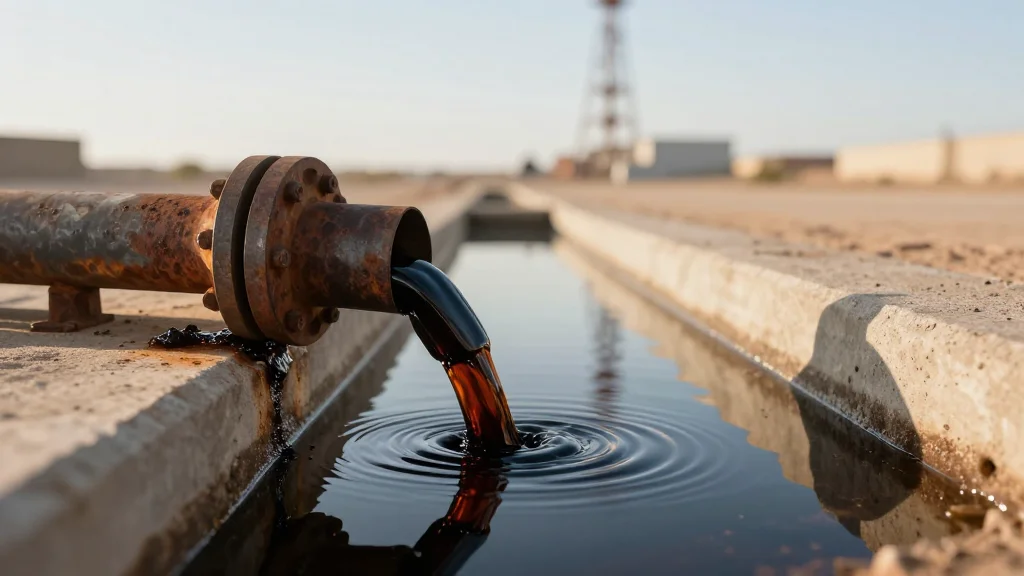
- •A pipe released black wastewater into a county drainage ditch on Feb. 13, prompting local investigation.
- •Independent lab testing found lithium and other toxic metals not permitted under Tesla’s wastewater permit.
- •TCEQ maintains Tesla is not violating its permit, but the district issued a cease‑and‑desist on April 15.
- •The case highlights gaps in Texas’ wastewater permitting process and could spur statewide regulatory reforms.
Pulse Analysis
Tesla’s foray into domestic lithium refining was meant to showcase a clean, vertically integrated battery supply chain, yet the Robstown wastewater controversy reveals how regulatory blind spots can quickly tarnish that narrative. Texas’ historically permissive environmental stance, combined with a fragmented permitting system that separates state approval from local implementation, created a perfect storm for miscommunication. The lack of direct dialogue between TCEQ and the Nueces County Drainage District meant that local officials were blindsided by a state‑approved discharge that visibly contradicted the district’s expectations.
From a market perspective, the incident could have a chilling effect on other battery‑material projects eyeing Texas as a low‑cost, business‑friendly hub. Investors may demand clearer compliance frameworks before committing capital, especially as ESG considerations become integral to financing decisions. Conversely, the heightened scrutiny could accelerate the adoption of best‑practice wastewater treatment technologies, pushing the industry toward higher standards that could become de‑facto benchmarks nationwide.
Looking ahead, the outcome of the legislative hearings and any subsequent rule changes will be a bellwether for how the United States balances rapid clean‑energy deployment with environmental stewardship. If Texas tightens its permitting regime, it may set a template that other resource‑rich states emulate, fostering a more resilient and socially acceptable battery supply chain. If not, the industry could face increased federal oversight, potentially slowing the pace of domestic lithium production at a time when global demand is surging.
Tesla’s Texas lithium refinery sparks scrutiny of lax wastewater permitting
Comments
Want to join the conversation?
Loading comments...