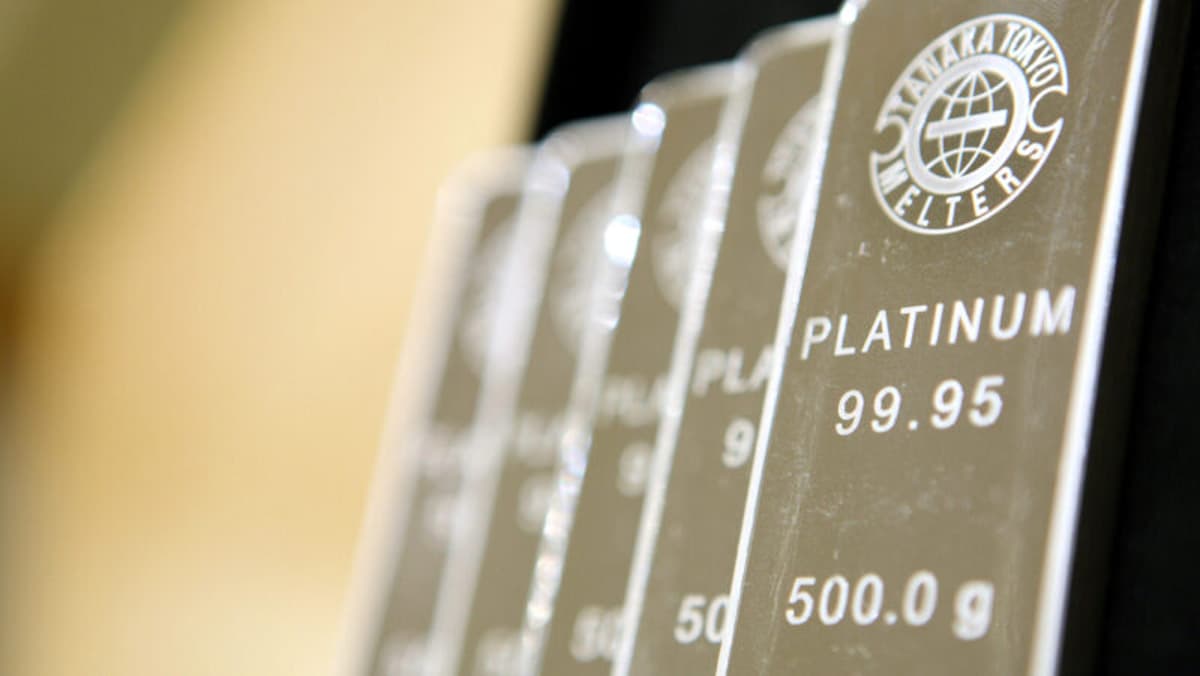

Why It Matters
Higher PGM prices and stronger cash give Tharisa leeway to fund costly underground conversion and expand its Karo project, positioning the miner to capture upside in a tightening global PGM market. The resilient commodity backdrop also supports a potential re‑rating of the stock by investors.
Key Takeaways
- •Cash rose to $54.7 million, up from $47 million
- •PGM price averaged $3,038/oz, supporting earnings
- •Chrome price hit $315/ton amid freight cost spikes
- •PGM output 34,300 oz; chrome output 404,000 t
- •Underground mining transition targets $500 million investment over 10 years
Pulse Analysis
Tharisa’s Q2 performance underscores how price dynamics can offset operational headwinds in the precious‑metal sector. A $800‑per‑ounce boost in the PGM basket lifted the company’s cash position, while inventory depletion among automakers kept demand robust. The $3,038‑per‑ounce average price places the group in a rare bull phase, allowing it to absorb higher logistics costs without eroding margins. This price resilience is especially valuable as the broader mining landscape grapples with volatile freight rates and geopolitical risk.
Operationally, Tharisa faced a challenging environment: lower ore grades, heavy rainfall, and increased lightning events hampered recovery rates. Nevertheless, the miner’s processing plant delivered solid results, with chrome output climbing to 404,000 tons and selling at $315 per ton, a premium driven by freight and oil price spikes linked to Middle‑East tensions. The strategic shift toward underground mining, slated to cost $500 million over ten years, aims to improve ore quality and reduce exposure to surface‑related weather risks. Simultaneously, negotiations with Zimbabwe for the $545 million Karo Platinum project could unlock an additional $300 million of financing, expanding Tharisa’s PGM footprint.
From an investment perspective, Tharisa’s stock has already doubled since 2025, and analysts see further upside as PGM deficits tighten globally. The company’s strong cash generation, coupled with a forward‑looking capital plan and favorable commodity pricing, positions it for a potential rating upgrade. Risks remain, notably rising fuel costs and geopolitical instability, but Tharisia’s mitigation measures and efficient cost‑pass‑through strategy should preserve profitability. Investors seeking exposure to critical minerals may find Tharisa an attractive play amid a market poised for record‑high PGM prices in 2026 and beyond.
Tharisa navigates tricky quarter thanks to resilient PGMs
Comments
Want to join the conversation?
Loading comments...