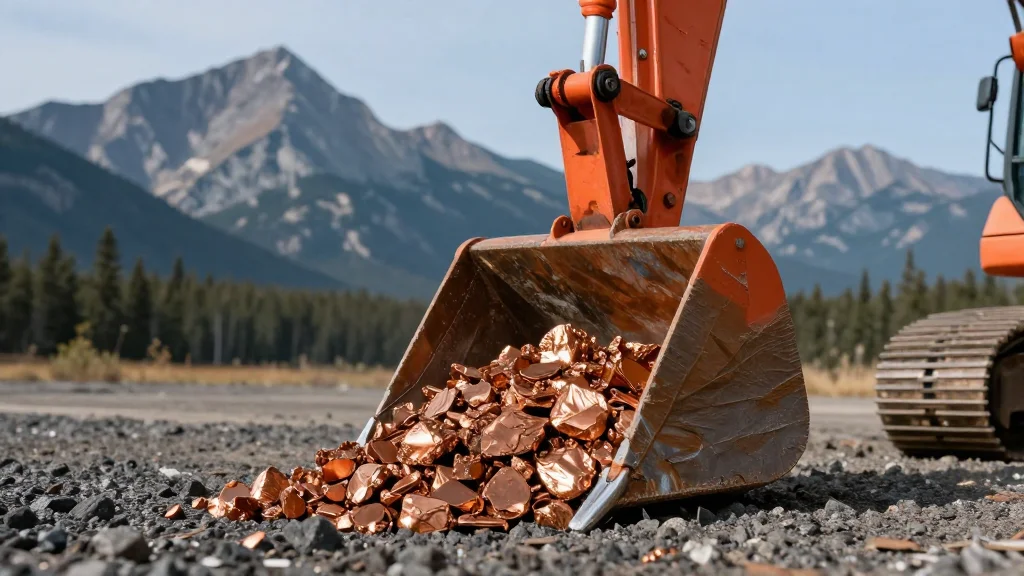
The Canadian Mineral Imperative – by Amanda Van Dyke (Substack – Jun 1, 2026)
Key Takeaways
- •Canada entered recession despite vast mineral wealth
- •Resource base includes oil, gas, lithium, copper, uranium
- •Proximity to US provides tariff‑free export corridor
- •Mining sector underutilized in current economic strategy
Pulse Analysis
Global demand for critical minerals is accelerating as governments push for clean energy, electric vehicles, and digital infrastructure. Canada’s geological diversity positions it to become a leading supplier of lithium, nickel, copper and rare earth elements, commodities essential for batteries and renewable technologies. However, the nation’s mining sector faces regulatory bottlenecks, Indigenous consultation requirements, and capital scarcity, which have slowed project development and kept many deposits untapped.
The United States, Canada’s biggest trade partner, is actively seeking secure, near‑shoring sources for strategic minerals to reduce reliance on geopolitically risky suppliers. Canada’s extensive border infrastructure—pipelines, rail, highways and transmission lines—offers a logistical advantage that can streamline cross‑border shipments. By aligning policy incentives, streamlining permitting, and fostering public‑private partnerships, Canada could capture a larger share of the North American supply chain, creating high‑paying jobs and boosting export revenues.
Policymakers are now weighing a “mineral imperative” that could reverse the recession’s trajectory. Initiatives such as tax credits for domestic processing, investment in green mining technologies, and clearer pathways for Indigenous participation can unlock the sector’s potential. If Canada capitalizes on its resource wealth and strategic location, it could transform a current economic setback into a catalyst for sustainable, long‑term growth.
The Canadian Mineral Imperative – by Amanda van Dyke (Substack – Jun 1, 2026)
Comments
Want to join the conversation?